
1. Canned Ham Loaves
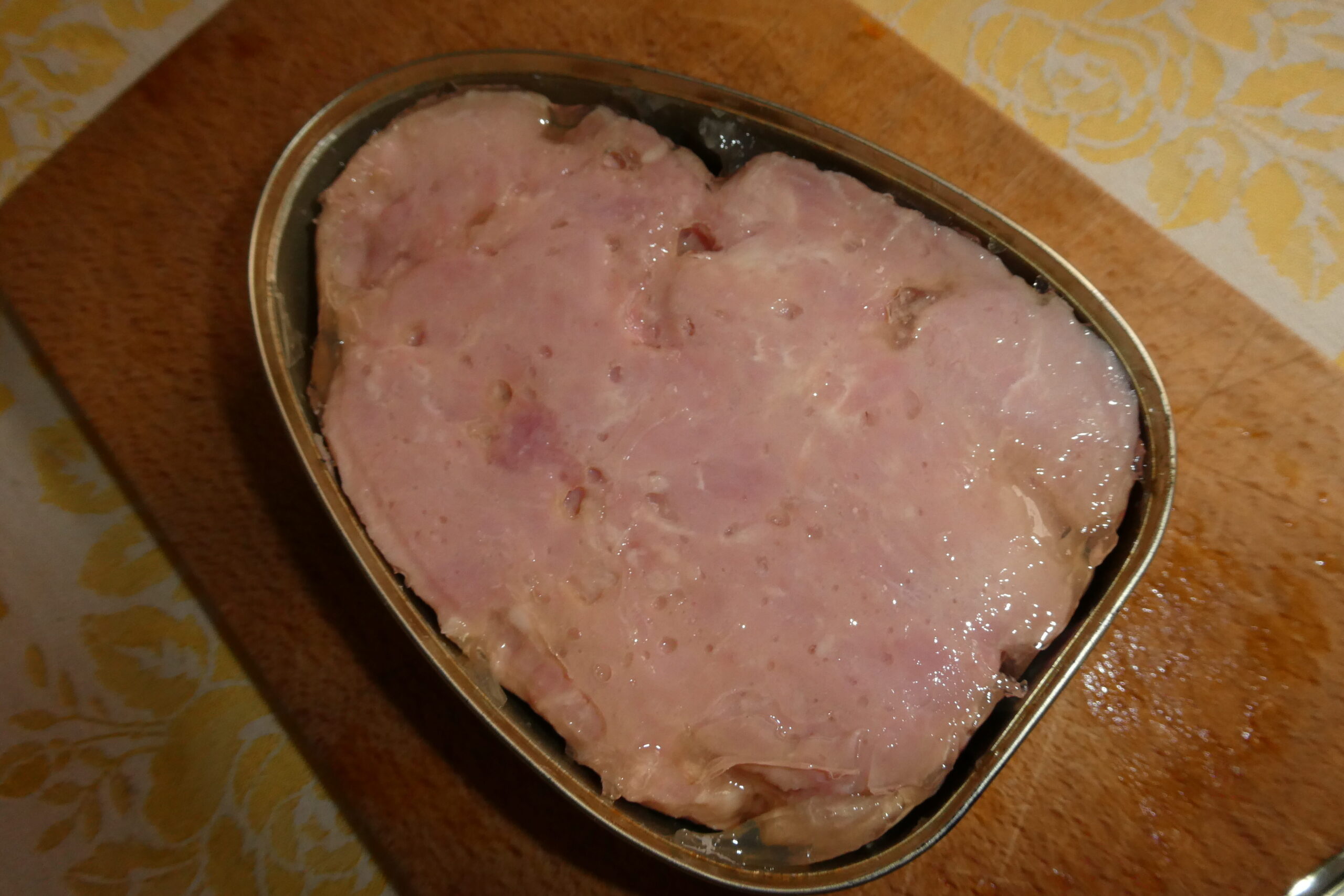
These were the kind of tidy, uniform meat bricks that families in the ’60s felt strangely proud to serve, especially when they were glazed with brown sugar or pineapple juice. They were affordable, easy to slice and always seemed to show up at potlucks where a slow cooker wasn’t required. The neat little rectangle made dinner feel predictable in a comforting way. Kids didn’t always love the texture, but they definitely recognized it on sight. It was one of those meals that said “we’re doing our best with what we have” in a decade when convenience was everything. You couldn’t escape it at church picnics or school gatherings. Eventually fresher and less processed meats pushed it aside.
By the ’80s, families were discovering deli counters and more natural options, leaving the ham loaf behind like a forgotten family recipe. Its charm faded as the idea of meat from a can started to feel outdated. Even the nostalgic crowd has mostly moved on. Today it’s hard to find anyone who still craves the dense, compact slices. Yet for many, it remains a sensory memory of their parents’ “just toss this in the oven” weeknight routine. Convenience once made it famous, but changing tastes made it vanish. You’ll rarely see it now unless you find an old ad tucked into a vintage cookbook.
2. Tangy Tomato Aspic
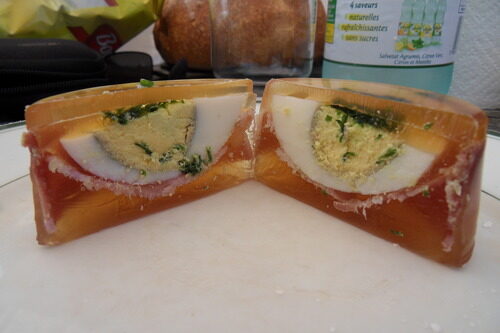
This wiggly, savory gelatin dish had an absolute chokehold on ’60s dinner tables. It combined tomato juice, gelatin and often vegetables suspended in a shimmering red mold. It seemed incredibly fancy at the time because molded foods signaled that the host put in effort. Guests would politely scoop a little onto their plates even if they weren’t sure how to feel about a cold, quivering tomato salad. The presentation was everything in that era, and aspics were considered a sign of culinary sophistication. Home cooks proudly used ring molds and star molds to impress company. The flavor was tangy, slightly sweet and just unusual enough to spark debate.
As tastes evolved, the aspic became more of a punchline than a delicacy. People were gravitating toward fresh salads, vinaigrettes and dishes that didn’t wobble. The idea of a tomato Jell-O side dish started feeling odd instead of impressive. Even cookbook authors stopped including them as entertaining essentials. By the time the ’90s rolled in, aspics were practically extinct outside of retro dinner parties. Today it’s a relic from a time when gelatin could do no wrong. You can still make it, but you’ll probably get more laughs than compliments.
3. Instant Breakfast Squares
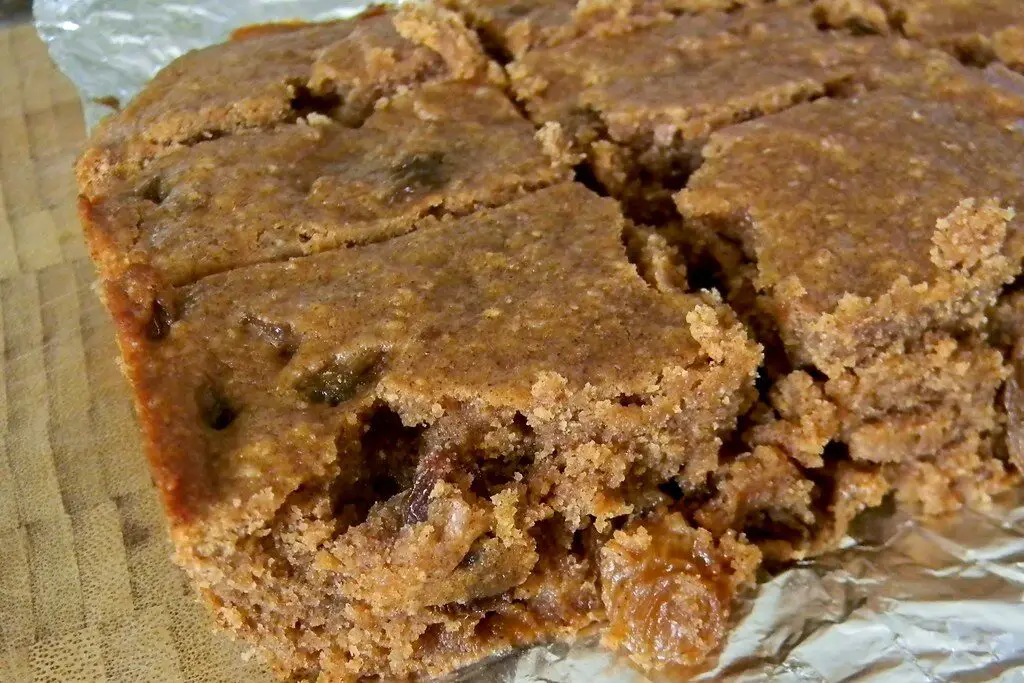
Before breakfast bars became protein-packed and trendy, there were Instant Breakfast Squares that promised a full meal in a tidy chew. Kids in the ’60s thought they were fun because they were basically sweet blocks you could eat quickly before school. Parents loved them because they were easy and required zero prep. The commercials made them seem futuristic, like the space-age solution to busy mornings. They were fortified with vitamins but had a texture that was somewhere between nougat and cardboard. Still, they got the job done when cereal bowls weren’t an option. Many families kept them right next to the toaster.
As breakfast choices expanded, these little squares couldn’t keep up. Smoothies, shakes and granola bars replaced them with more appealing flavors and textures. People realized they preferred foods that didn’t feel like compressed sugar bricks. The more health-conscious decades ahead didn’t help their reputation either. Soon they were pushed off shelves by more satisfying options. Today most people wouldn’t even recognize the name. They’ve been relegated to a footnote in the evolution of grab-and-go breakfasts.
4. Space Food Sticks

These were one of the most exciting grocery items of the ’60s because kids were obsessed with all things NASA. Space Food Sticks were marketed as real astronaut snacks developed from space research. They had a chewy, taffy-like texture and came in flavors like peanut butter, caramel and chocolate. They felt futuristic even if they tasted a bit like flavored energy putty. Parents thought they were nutritious enough, and children loved saying they were eating “space food.” The packaging leaned heavily into the lunar fantasy. For a moment, it felt like every pantry had a box.
Eventually the novelty wore off as NASA moved on to freeze-dried meals and households moved on to snack bars that tasted better. The chewiness that once seemed cool started feeling old-fashioned. Competing brands offered more appealing treats with better marketing and fresher ingredients. Space Food Sticks made a brief nostalgia comeback but didn’t regain traction. They disappeared again, leaving only childhood memories behind. Today you won’t find them at your local grocery store unless a specialty shop restocks them as a novelty. They’ve become one of those “remember when?” snacks that spark instant conversation.
5. TV Dinner Fried Chicken

In the ’60s, frozen fried chicken in TV dinners felt like absolute magic. Busy parents loved the convenience and kids enjoyed the novelty of getting an entire meal in a little foil tray. The chicken pieces were never quite crispy, but no one cared because the idea of frozen fried anything seemed futuristic. Families would gather around the television and peel back the foil to reveal the main dish, mashed potatoes and a bright vegetable that steamed unevenly. It was all part of the charm. The chicken was often coated in a thick, bread-based crust. Still, the flavor was familiar and comforting.
As home fryers improved and fast-food chains expanded, the frozen version lost its shine. People wanted true crunch, not the soggy coating TV dinners offered. The competition from newer frozen meals made the old fried chicken option seem dated. By the early 2000s, most brands had swapped it out for oven-ready or grilled versions. Today, it’s tough to find a classic ’60s-style fried chicken TV dinner. The nostalgia is strong, but the market moved on. It remains a symbol of those early convenience-food days that shaped American weeknights.
6. Whip ’N Chill
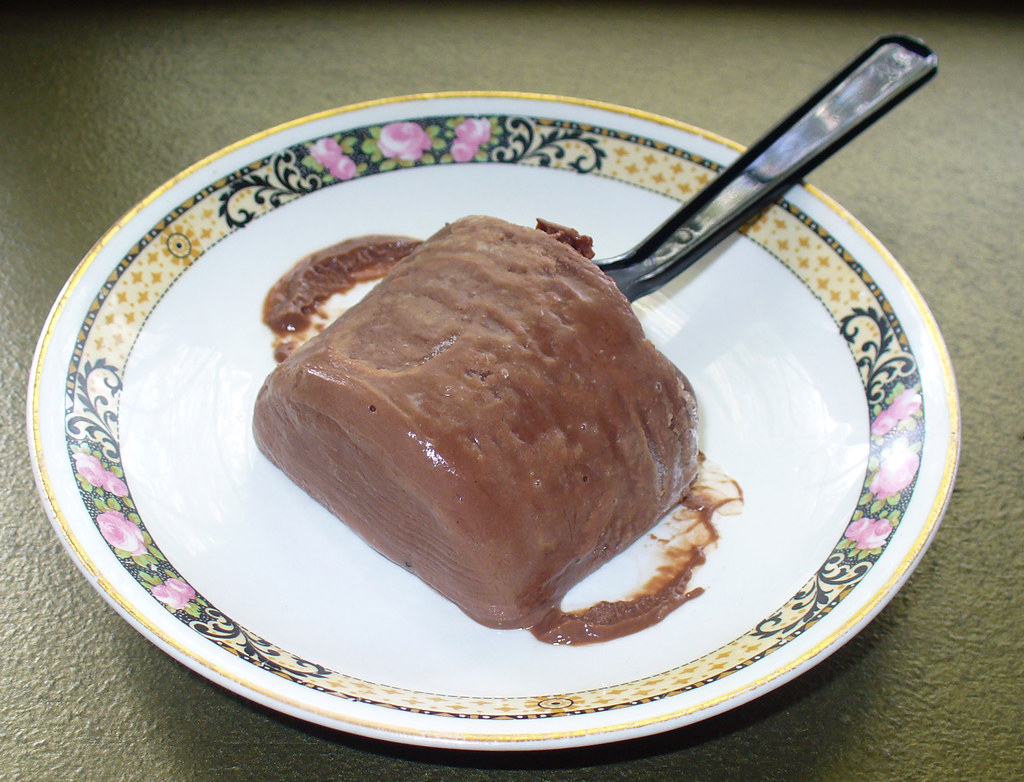
Whip ’N Chill was a creamy, dreamy dessert mix that sat somewhere between mousse and pudding. You’d whip it up with milk and let it set, and it felt special without being too fussy. Families loved that it was light, sweet and just sophisticated enough for a dinner party. Flavors like chocolate, strawberry and vanilla were big hits at the time. Kids enjoyed mixing it because it felt like a science experiment. It was often served in fancy glasses to elevate the presentation. It was one of those desserts that felt indulgent without much effort.
As instant puddings and pre-made desserts improved, Whip ’N Chill started losing ground. People wanted richer textures and fuller flavors. Supermarkets began stocking more grab-and-go sweets, making mixes less necessary. Whip ’N Chill quietly slipped off shelves as companies focused on products that sold faster. A few recipe blogs keep its memory alive, but it’s far from mainstream. Most younger shoppers have never heard of it. It’s one more ’60s treat that belonged to a gentler, simpler dessert era.
7. B&M Brown Bread in a Can

This was a genuine pantry staple in the ’60s, especially in New England households. The sweet, dense bread came in a can, making it a quirky but practical item to keep around. You’d slide it out, slice it into rings and toast it, often serving it with baked beans. Kids were fascinated by the shape and adults appreciated how long it lasted. The molasses flavor was rich and comforting. It was a hearty option for quick lunches or winter dinners. For many families, it tasted like tradition.
As fresh bakery bread became more accessible, canned bread began to feel unnecessary. Younger shoppers weren’t as charmed by the novelty. Grocery stores also started phasing out items that didn’t move quickly. The industrial look of bread in a can stopped appealing to modern tastes. While it occasionally resurfaces in specialty stores, it’s no longer common in mainstream groceries. Its disappearance left behind a very specific kind of nostalgia. For some, it’s still remembered fondly as a cozy childhood meal.
8. Instant Mashed Potato Flakes with “Butter Flavoring”
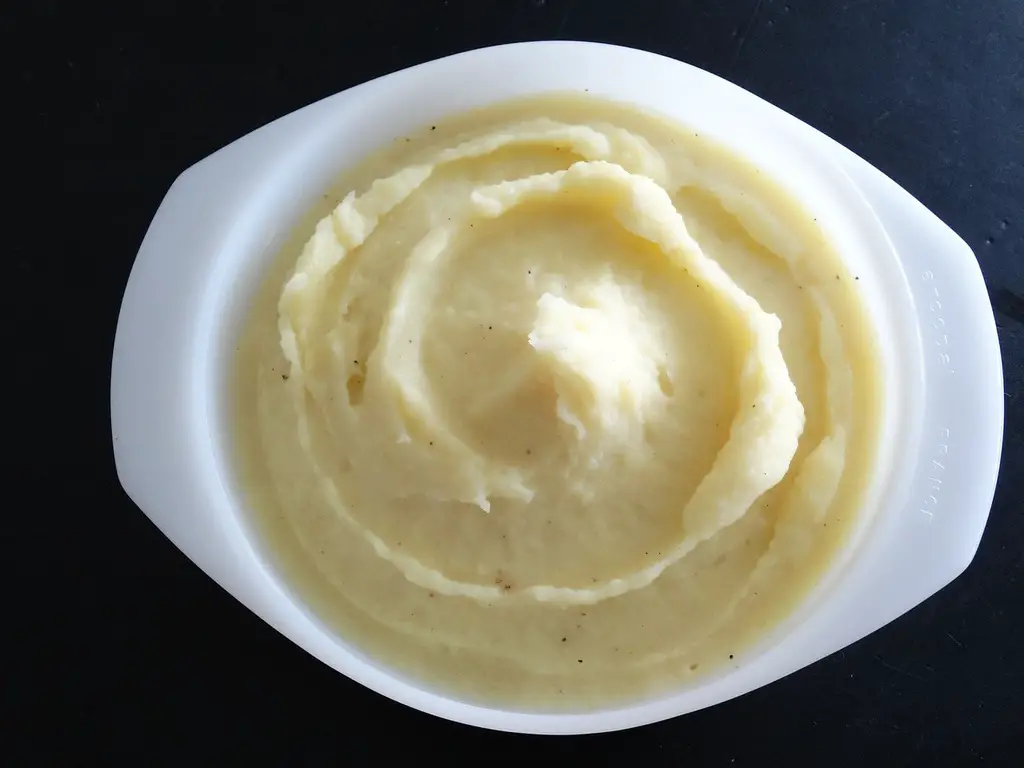
The ’60s brought a wave of instant foods and potato flakes were practically a revolution. They promised mashed potatoes in minutes with just some boiling water and a quick stir. The “butter flavoring” was never going to fool anyone, but families happily embraced the shortcut. Kids didn’t mind as long as the texture was smooth. Advertisements made them look gourmet, ladled onto plates with roasted meats. They were cheap, convenient and surprisingly comforting on weeknights. For a while, they were a top pantry staple.
Over time, shoppers became more picky about flavor and texture. Better instant options with real butter and cream replaced the older formulas. People started reading ingredient labels more closely and moving away from artificial flavorings. Homemade mashed potatoes also became easier thanks to microwavable potatoes. As a result, the old-school flakes faded into obscurity. You can still find modern versions, but the ’60s style has quietly disappeared. Most families have long forgotten those slightly artificial but oddly lovable spuds.
9. Canned Chow Mein
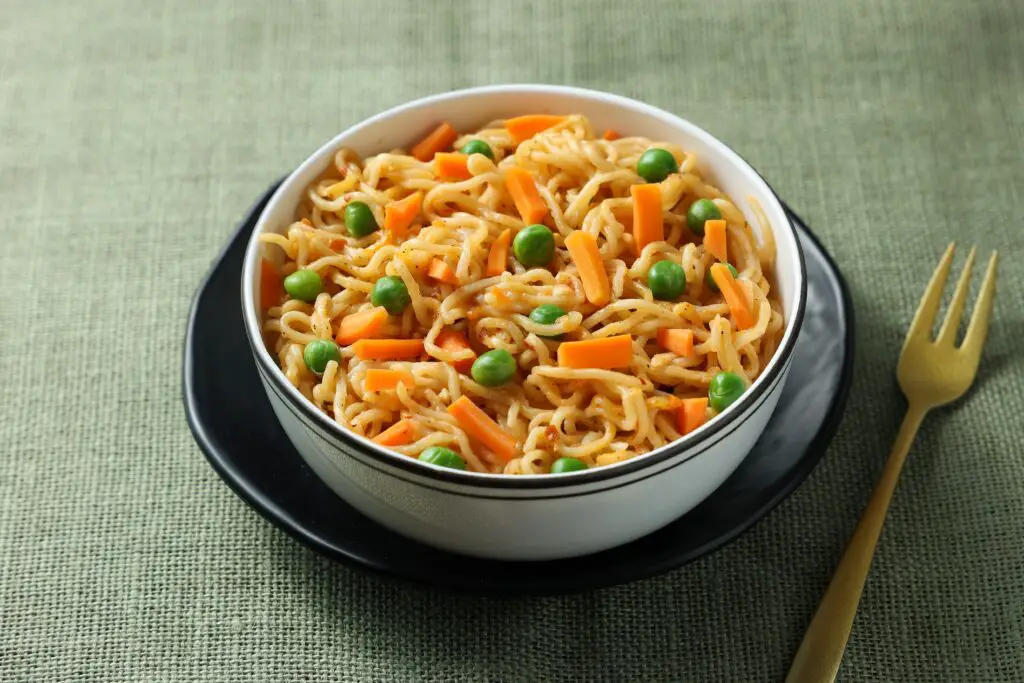
In the ’60s, canned chow mein felt incredibly exotic, offering a taste of “international cuisine” without leaving home. Inside the can you’d find soft noodles, vegetables and a brown sauce that was surprisingly mild. It was often served with crunchy chow mein noodles sprinkled on top. Families felt adventurous just opening the can. For many Americans, it was their first introduction to Asian-inspired dishes. It became a regular part of the dinner rotation. Even picky eaters could handle its gentle flavors.
As authentic Asian restaurants and takeout options spread, canned chow mein lost its appeal. People preferred fresher, more complex flavors. The mushy textures and muted seasoning couldn’t compete with restaurant-quality food. Grocery stores also began stocking higher-quality frozen stir-fry meals. Slowly but surely, the canned version vanished. Today it’s remembered more as a stepping stone in America’s food evolution. Its disappearance marked a shift toward more adventurous and authentic dining.
10. Hi-C Ecto-Cooler–Style Citrus Flavors
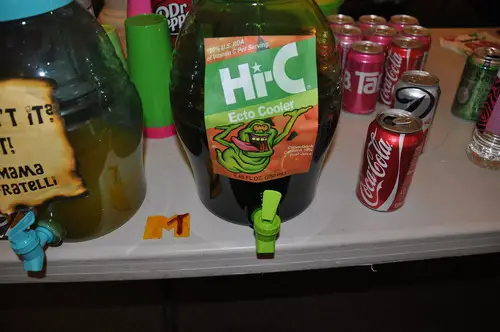
Before the neon green Ecto-Cooler craze of the ’80s, the ’60s had its own wave of citrusy Hi-C flavors that came and went quickly. The drinks were brightly colored, sugary and sold in cans that seemed endlessly stackable. Kids loved how sweet they were and parents appreciated that they were shelf-stable. Orange and citrus punch varieties were everywhere during the decade. The flavors were bold but not always natural. Lunchboxes across the country were filled with these little cans. They felt like a fun treat in an era when sugary drinks were common.
As health concerns grew and competition in the beverage aisle expanded, many of those original flavors were discontinued. Newer fruit blends with more natural ingredients replaced them. Kids developed preferences for juice boxes instead of cans. The market shifted toward drinks with less sugar overall. Over time, the original ’60s flavors quietly faded away. You’d be hard-pressed to find them today outside of vintage advertisements. Their disappearance shows just how much tastes have changed.
11. Frozen Salisbury Steak TV Dinners
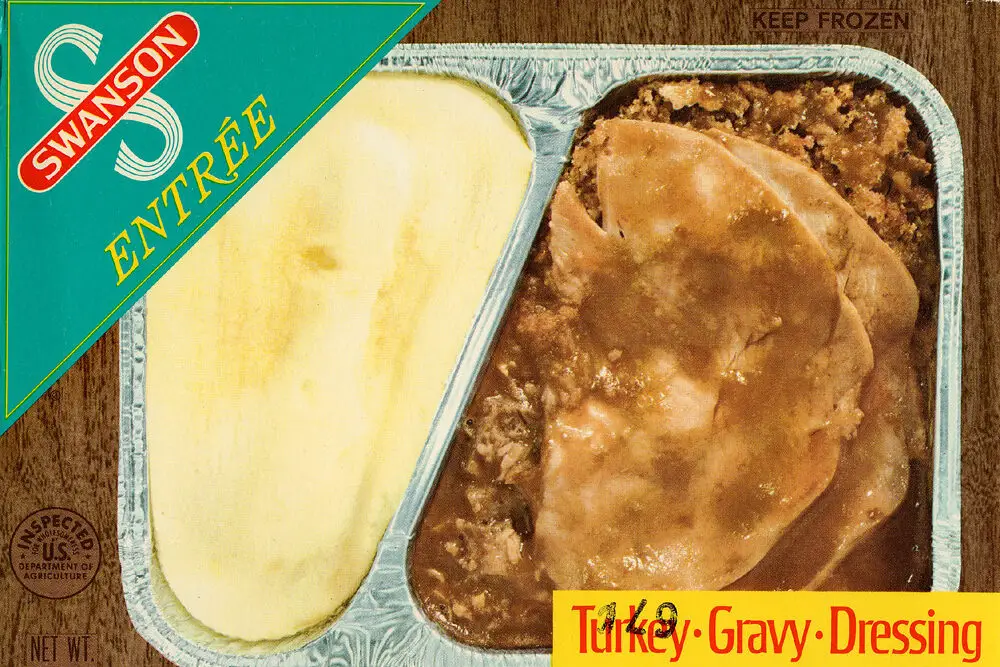
Salisbury steak was the weeknight hero for many families in the ’60s. Frozen TV dinners made it even easier by packaging it with mashed potatoes and sometimes a tiny dessert. The meat patties were uniform and often smothered in a thick brown gravy. Kids liked the novelty of compartmentalized trays. Parents loved that dinner required no cleanup. It was the epitome of convenience in an era when dual-income households were becoming more common. Everyone knew exactly what they were getting.
But tastes changed and expectations for frozen meals rose. People wanted better quality meat and fresher flavors. Microwave ovens also changed the texture in ways that weren’t always flattering. Competing frozen brands introduced more appealing entrees that pushed Salisbury steak aside. Eventually it stopped being a grocery store staple. You can still find versions of it, but the classic ’60s style has largely vanished. It’s become more of a nostalgic comfort food than a practical dinner solution.
12. Powdered Drink Mixes with Artificial “Fruit”
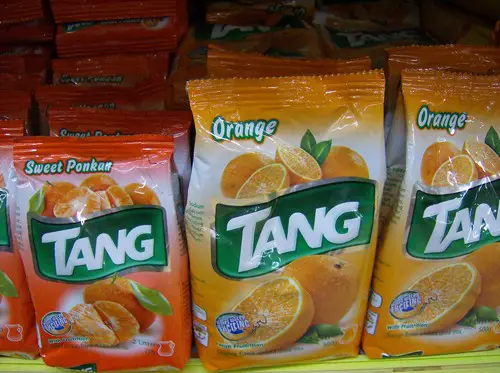
Before today’s hydration powders and energy mixes, the ’60s had simple powdered drinks with bold artificial colors. Families mixed them with tap water to make giant pitchers for weekend meals. Kids loved stirring in the powder and watching the water instantly change colors. The flavors ranged from cherry to “tropical punch,” even though none tasted like real fruit. They were affordable and felt festive in a decade that loved convenience. Every picnic seemed to feature a plastic jug of the stuff. The big containers lasted for ages.
As people became more health-conscious, these mixes fell out of favor. Shoppers wanted drinks with real juice content or at least fewer dyes. Juice boxes and bottled teas replaced the old powdered options. Parents also became more aware of sugar levels in their children’s beverages. Slowly the classic artificial mixes disappeared from most shelves. A few nostalgia brands remain, but the originals are gone. Their disappearance tells the story of how family drinks evolved.
13. Canned Macaroni and Cheese
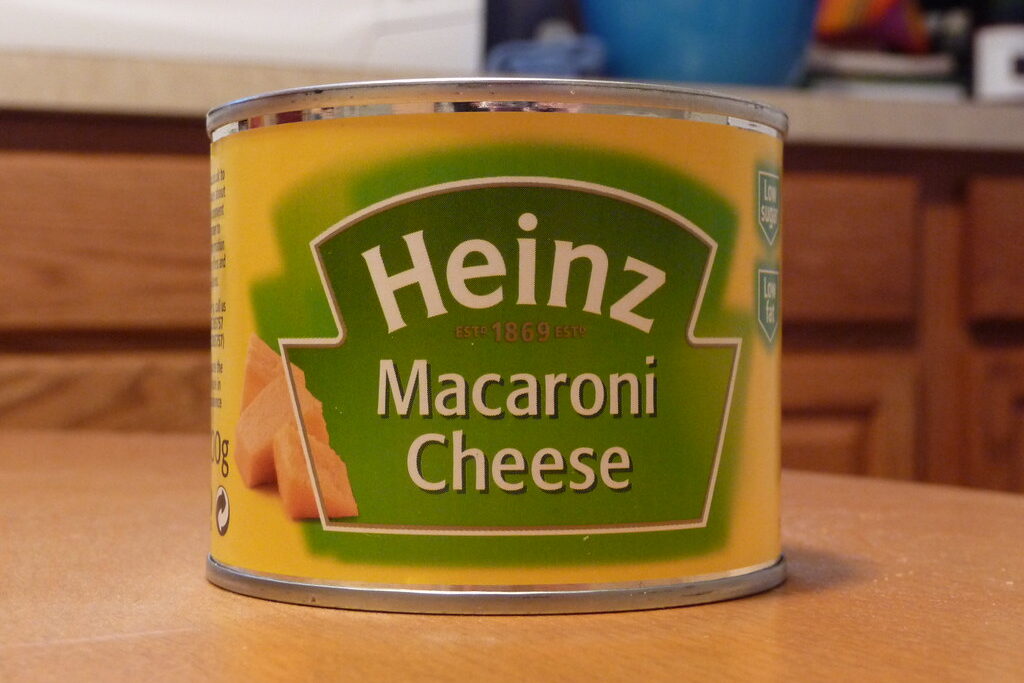
This early attempt at ready-made mac and cheese was… ambitious. The pasta came pre-cooked in a sauce that was thick and a little grainy, but families embraced it because it saved time. Kids saw it as a warm, cheesy bowl of comfort even if it never tasted quite homemade. Parents liked that it was inexpensive and durable in the pantry. It felt like a modern solution in a decade fascinated by convenience foods. It was often paired with hot dogs for an easy dinner. Some households relied on it heavily during busy weeks.
But as boxed mac and cheese improved, canned versions couldn’t compete. The texture was one of its biggest downfalls. Families preferred the taste and feel of fresh pasta cooked on the stovetop. Frozen meals also offered better cheese sauces. Eventually, canned mac and cheese became a relic of early convenience food. Today it’s extremely rare to see it in mainstream stores. Its quiet disappearance feels almost inevitable.
14. Brach’s Neapolitan Coconut Candies
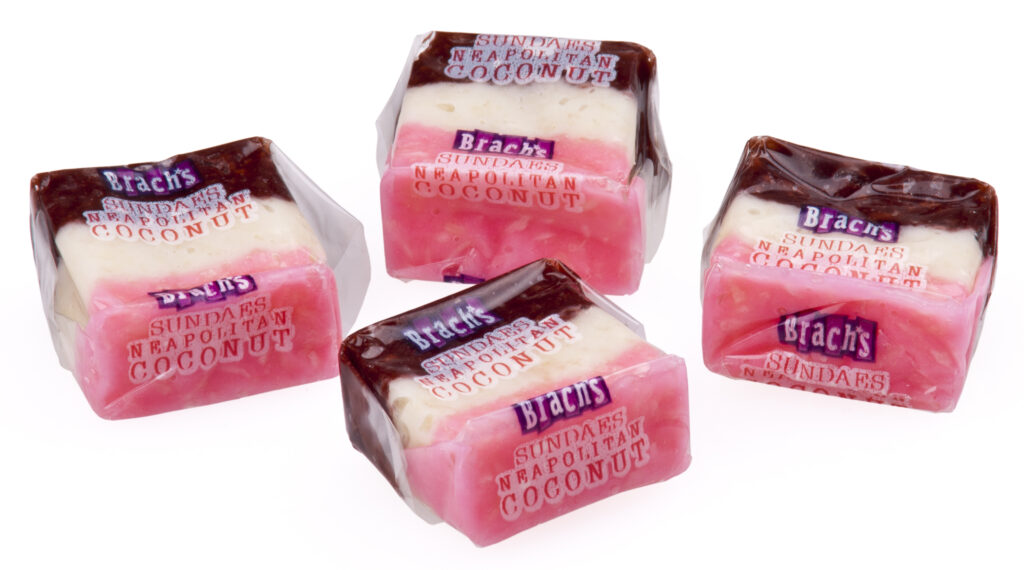
These striped pink, brown and white coconut candies were a common sight in ’60s grocery store bins. They had a chewy texture and a bold coconut flavor that made them instantly recognizable. Kids either loved them or avoided them completely. Adults enjoyed them with coffee or kept them in candy dishes at home. They were part of the pick-and-mix culture that defined supermarket candy aisles. Their colors made them look fun even if their flavor was more sophisticated. They lasted forever in the pantry.
As candy aisles shifted toward chocolate bars and gummy treats, these coconut squares lost their audience. Younger generations didn’t gravitate to the flavor or the texture. Grocery stores began scaling back bulk candy offerings altogether. Over time, they were pushed aside by flashier, more modern options. You can sometimes find them online, but they’re no longer mainstream staples. Their quiet exit marks the end of a nostalgic candy era.
15. Frozen Fish Stick “Blocks”
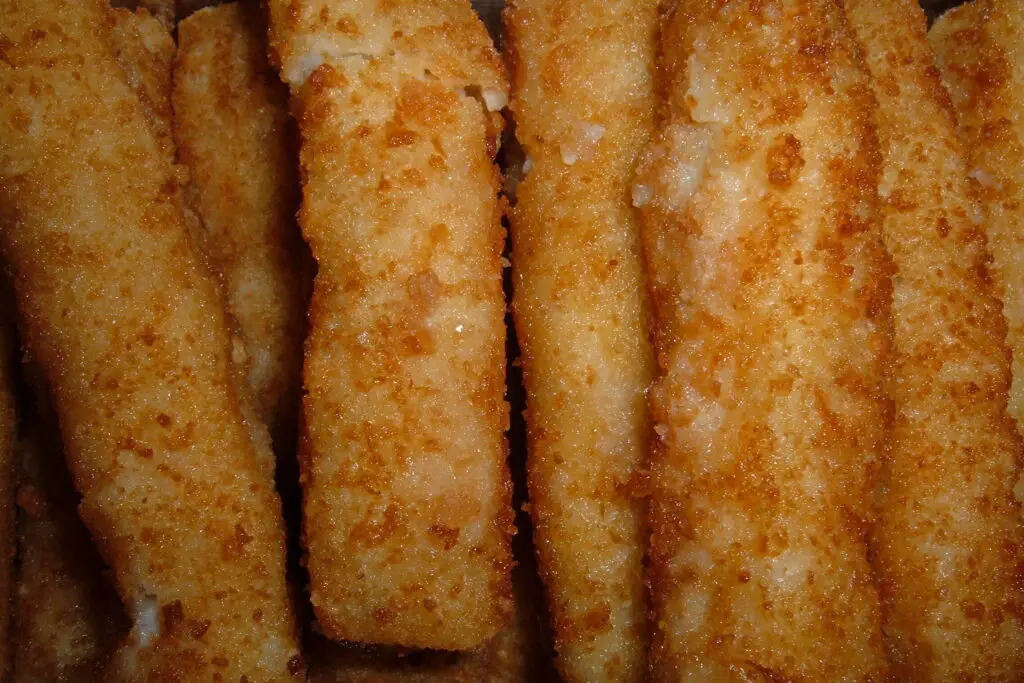
Long before today’s crispy fish fillets, families in the ’60s often bought frozen blocks of fish sticks that were fused together in one solid rectangle. You’d whack the box on the counter to break them apart, and sometimes it still didn’t work. Kids didn’t care because fish sticks were a weeknight treat, especially when dipped in ketchup. Parents liked that they cooked quickly and filled everyone up without much fuss. The breading was a little pale, the texture a little soft and the flavor unmistakably “school cafeteria,” but it was part of the charm. These boxes were pantry staples during busy weeks. Families relied on them when grocery budgets were tight.
As frozen food technology improved, the block-style fish sticks quietly faded out. Companies started selling individually frozen pieces with crispier coatings and better seasoning. Shoppers gravitated toward fresher, less processed versions. The nostalgia remains, but the old-style blocks feel like relics of a different time. Newer generations missed the awkwardly satisfying moment of prying them apart. Today they’re nearly impossible to find. They disappeared as soon as quality became a selling point.
16. Campbell’s Chicken à la King in a Can
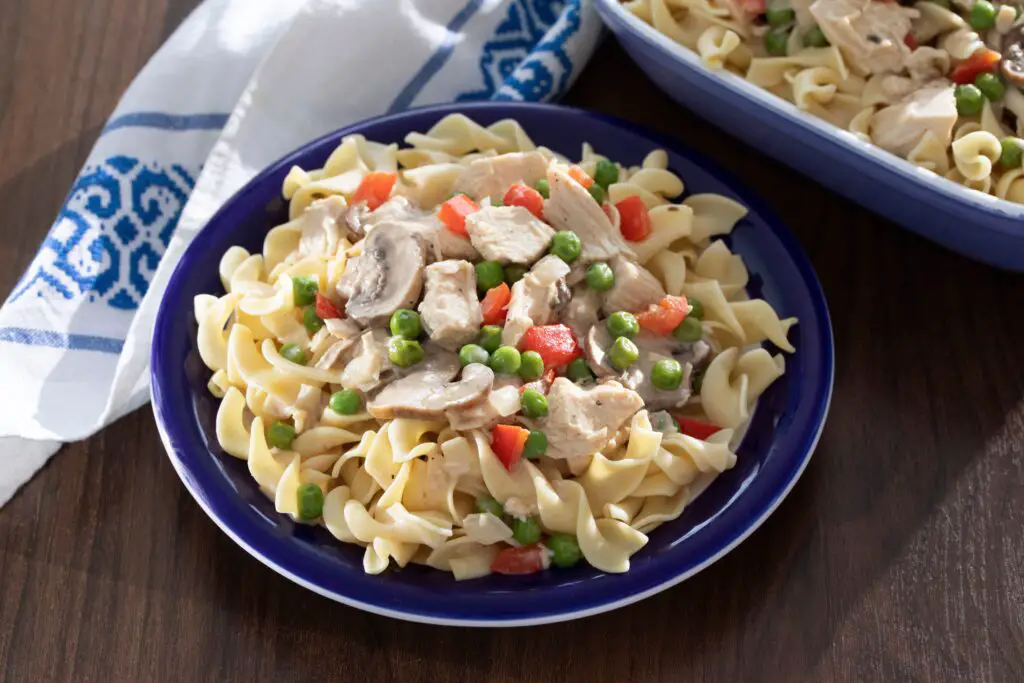
This was a surprisingly popular pantry item in the ’60s, offering a creamy chicken mixture that you’d spoon over toast or puff pastry shells. It felt fancy without requiring much skill. Families enjoyed it because it made dinner feel slightly elevated on an ordinary weeknight. The sauce was thick and comforting, with tiny bits of chicken and vegetables suspended inside. Even kids who didn’t love vegetables tolerated it. It was especially popular for “bridge luncheons” and church potlucks. Many households kept several cans on standby.
But as tastes shifted, the dish felt old-fashioned and too heavy. Fresh chicken recipes and lighter sauces became more appealing. Restaurants offered more flavorful versions of cream-based entrées, making the canned version seem bland. It slowly slipped off shelves as shoppers looked for healthier choices. The nostalgia is still strong for some, but it’s mostly vanished from mainstream groceries. Today, only specialty or regional stores occasionally carry it. Its disappearance reflects how American palates evolved.
17. Instant Riced Potatoes
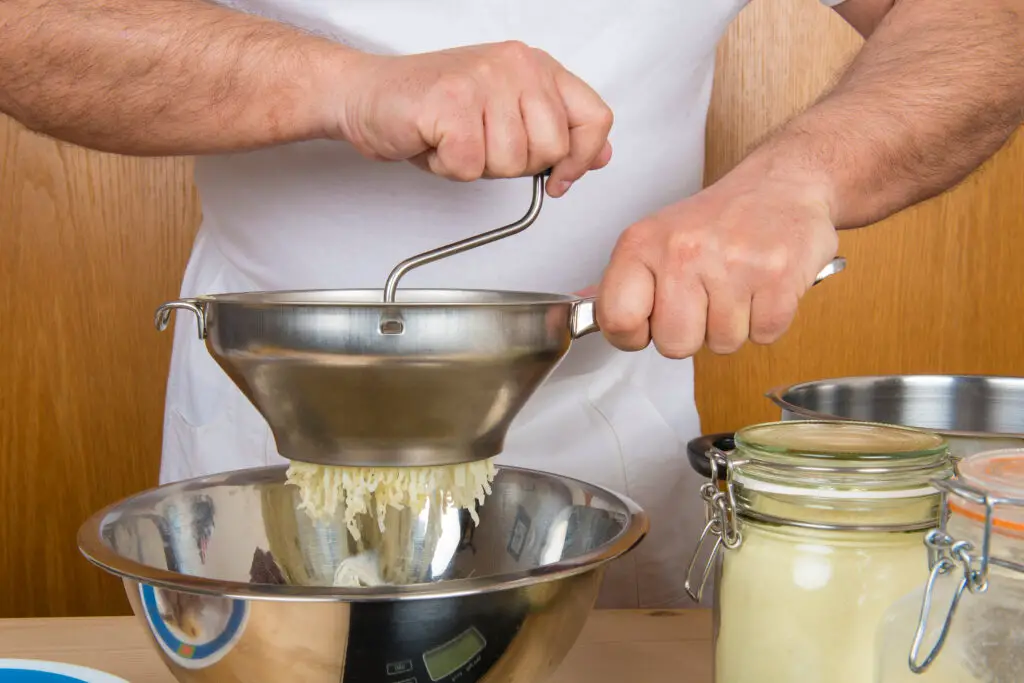
Before microwavable rice became a weeknight go-to, there were instant “riced potatoes,” a quirky ’60s idea that never fully caught on. The flakes were rehydrated to resemble tiny grains, somewhere between mashed potatoes and rice. Families tried them because they seemed innovative and fun. Kids often preferred regular mashed potatoes, but some liked the unusual texture. Advertisements touted them as a modern side dish for roasts and meatloaf. They were inexpensive and shelf-stable, making them appealing to busy households. They were often flavored with butter or herbs.
As other convenience sides became more accessible, instant riced potatoes fell behind. People found the texture a bit strange compared to true mashed potatoes or real rice. The demand wasn’t strong enough to keep them on shelves. Newer instant sides outperformed them in both taste and versatility. Eventually they faded out without much fanfare. Today most shoppers have never even heard of them. They’re one of those brief ’60s experiments that vanished quickly.
18. Canned Spaghetti Rings with Mini Meatballs
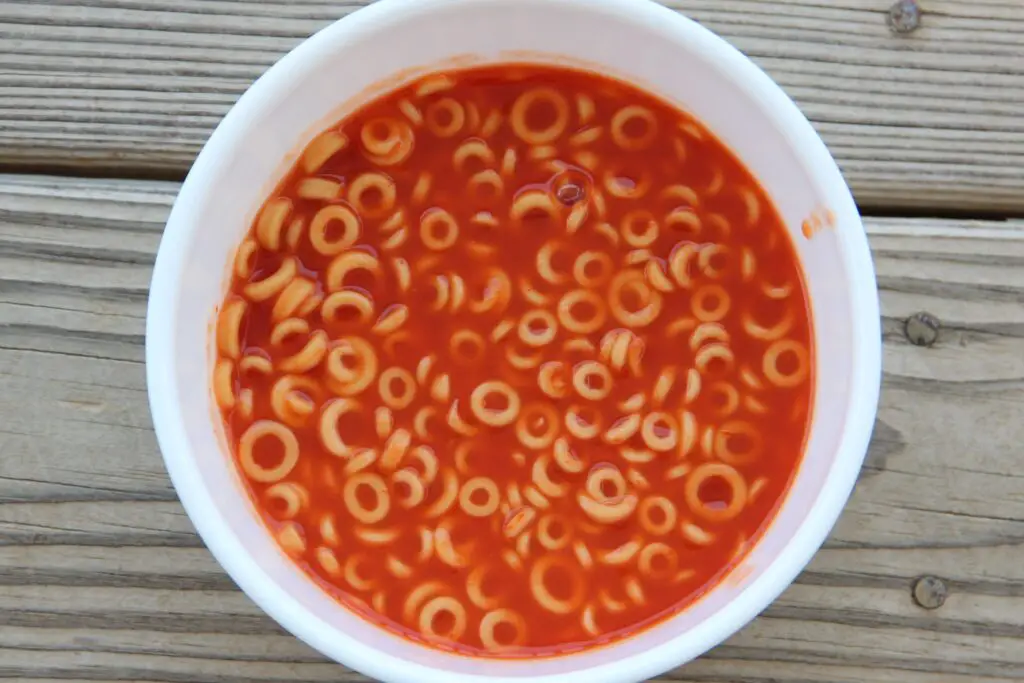
Long before today’s kid-focused pasta shapes, the ’60s had canned spaghetti rings swimming in tomato sauce with tiny meatballs. These were a favorite for quick lunches when parents needed something easy. Kids loved the fun shape and the slightly sweet sauce. The little meatballs were soft but packed enough flavor to feel special. Advertisers pushed them as wholesome and filling. They reheated quickly on the stovetop. For many families, they were a weekend staple.
As frozen pasta meals and fresh options grew, canned spaghetti lost some of its charm. The sauce felt too sugary for changing tastes. People began looking for meals with more natural ingredients. Slowly, the ring-and-meatball combo fell out of favor. Competing canned pastas offered more variety. Today, this exact version is rare to find. It quietly disappeared as families upgraded their quick meals.
19. Lemon Jello Salads with Veggies
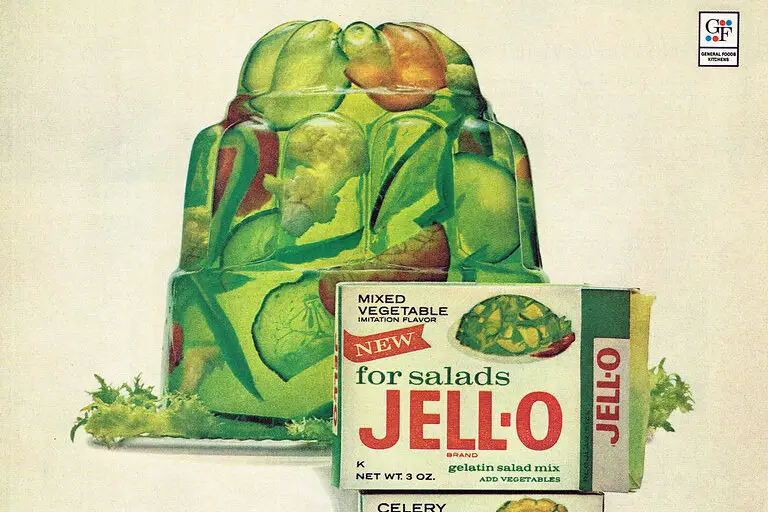
The ’60s absolutely loved putting vegetables into gelatin, and lemon Jello salads with shredded carrots or celery were everywhere. They often appeared at picnics, school functions and potlucks. Kids were baffled by the combination but politely took a scoop anyway. Adults saw it as a fresh, bright side dish that looked colorful on the table. The tangy citrus flavor mixed with savory vegetables created a taste profile that modern palates don’t quite understand. The presentation was usually elaborate, featuring molds or decorative garnishes. They were considered stylish for the time.
Once fresh salads with vinaigrettes grew popular, these gelatin salads began to decline. Younger generations preferred crisp textures to gelatinous ones. Cookbooks stopped including them as must-serve dishes. The Jello-salad trend shifted toward desserts instead of side dishes. Over time, lemon-and-veggie versions practically disappeared. Today they survive mostly in vintage recipe collections. Their quiet exit signals the end of a quirky food era.
20. Swanson Turkey “Chunks” in Gravy
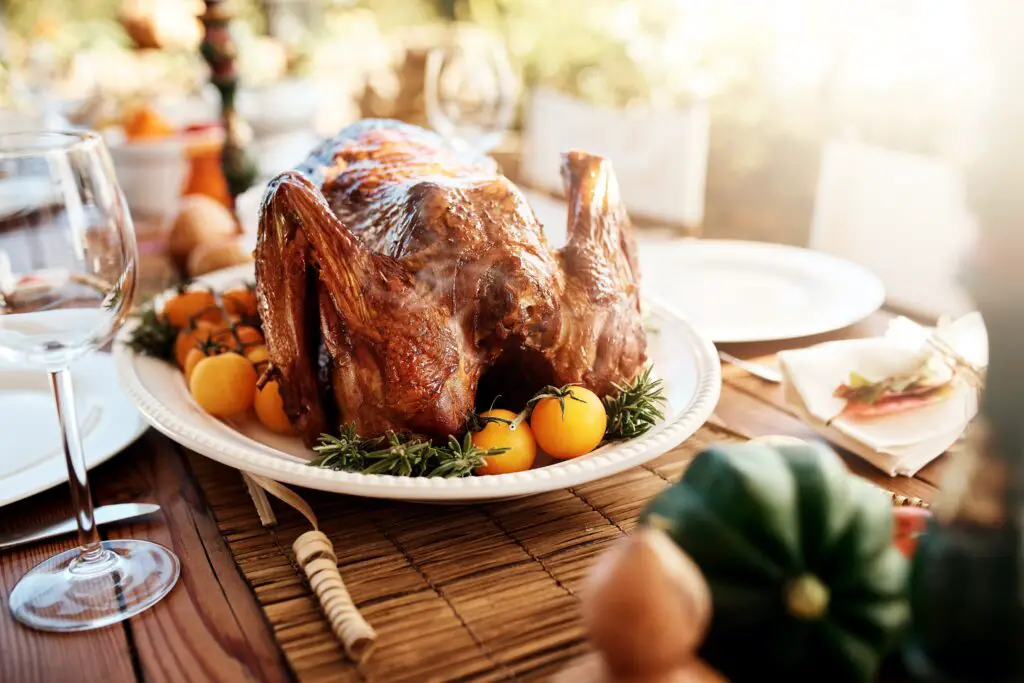
These canned turkey chunks were a surprisingly common pantry item in the ’60s, especially for quick casseroles. The turkey pieces were soft, pale and swimming in a thick gravy. Families used them over biscuits, rice or noodles. It was a comforting shortcut for busy nights. The flavor was mild but dependable. Kids didn’t always love the texture, but they ate it when it was mixed into casseroles. It became a default ingredient in many household recipes.
As fresh poultry became easier to buy and store, the canned version lost its appeal. People wanted real turkey with better texture and flavor. The rise of frozen meals also pushed canned meats aside. Grocery stores stocked fewer varieties and phased out slow sellers. Eventually, turkey chunks were one of the items that didn’t survive the shift. Today they’re nearly impossible to find. Their disappearance marked the end of an era of canned comfort foods.
21. Pudding Cake Mixes
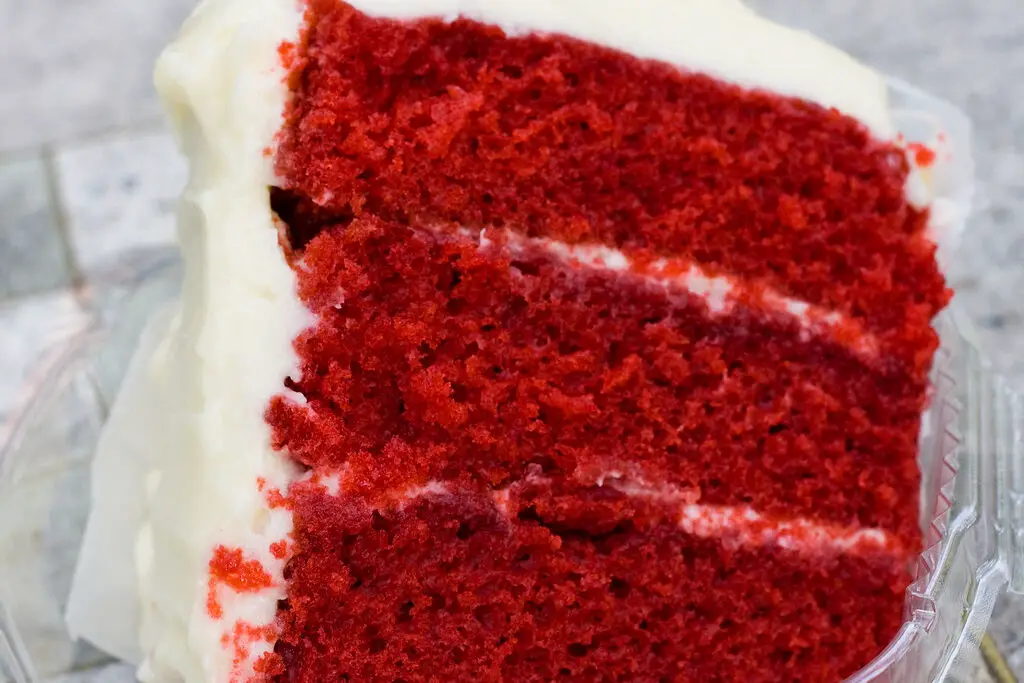
Pudding cakes were a big hit in the ’60s because they created a moist dessert with very little effort. You’d add a pudding mix directly into the cake batter, producing an extra soft texture. Families made them for birthdays, special events or weeknight treats. Kids loved how sticky and rich the slices were. Advertisers promised bakery-quality results. These mixes felt modern and practical. Many home bakers relied on them for quick entertaining.
Over time, branding shifted toward standalone pudding cups and more robust cake mixes. People wanted lighter, fluffier cakes instead of dense ones. The trend moved on to bundt cakes, brownies and later microwave desserts. Pudding cakes gradually disappeared as a mainstream grocery item. Modern versions still exist in recipes but not as boxed kits. They became a memory rather than a staple product. Today most shoppers don’t realize they were once a grocery aisle favorite.
22. Cinnamon-Flavored Toothpicks at Checkout

In the ’60s, cinnamon toothpicks were often sold in tiny glass bottles by the registers. Kids begged for them because they were spicy, fun and made you feel grown-up. Parents didn’t mind the cheap price and lack of mess. The strong cinnamon oil gave them a surprising kick. You’d tuck one in your mouth after school and carry it around like a mini accessory. Some kids collected the bottles. They were a quirky little treat tied closely to that decade.
As regulations changed, many stores stopped carrying flavored toothpicks for safety reasons. Concerns about cinnamon oil burns made them less appealing. Gum and mints overtook toothpicks at checkout counters. Slowly, they became harder to find. Specialty shops and novelty stores sometimes carry them, but they’re no longer everyday items. Their disappearance reflects shifting safety standards. They remain a nostalgic memory for those who grew up in the era.
23. Noodle-Roni (Predecessor to Rice-A-Roni Varieties)
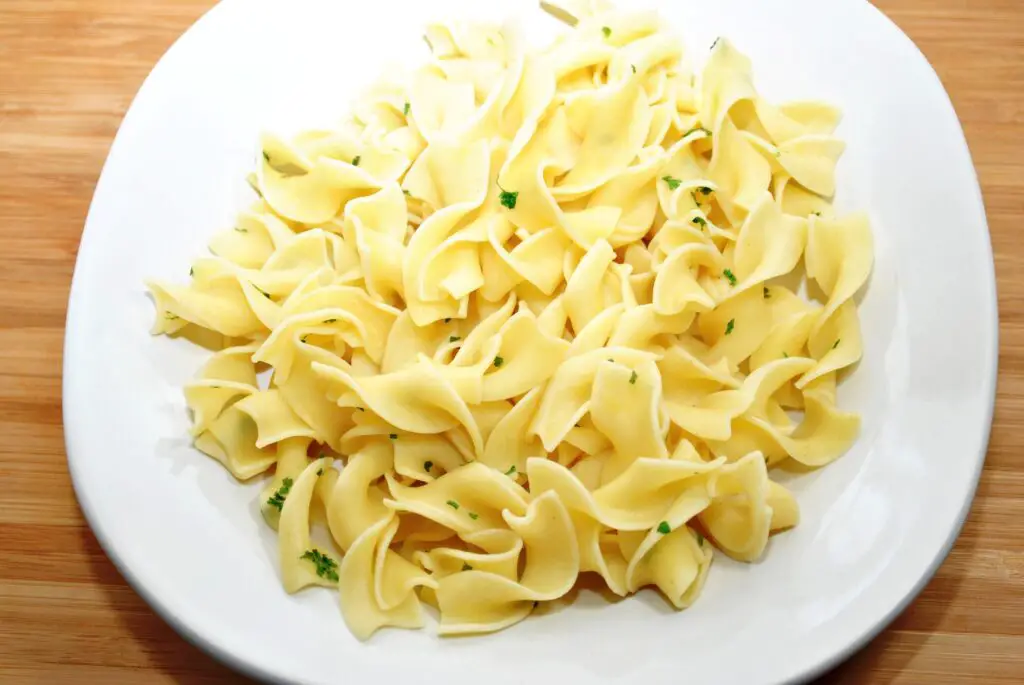
Before Rice-A-Roni dominated shelves, there was Noodle-Roni, offering buttery noodles with seasoning packets. It was extremely popular in the ’60s as a quick side dish. Families loved the convenience and the slightly exotic flavors. Kids found it comforting and familiar. It paired well with just about any protein. Advertisements showed glamorous dinners created in minutes. It symbolized the modern kitchen.
Eventually, Rice-A-Roni expanded its line and overshadowed Noodle-Roni. Stores favored the rice versions because they sold better. Newer noodle sides entered the market with richer flavors. Slowly, Noodle-Roni vanished from the shelves. Some flavors were absorbed into different product lines. Today it’s a forgotten early convenience food. Its quiet disappearance happened as brands consolidated.
24. Frozen Corn Fritters
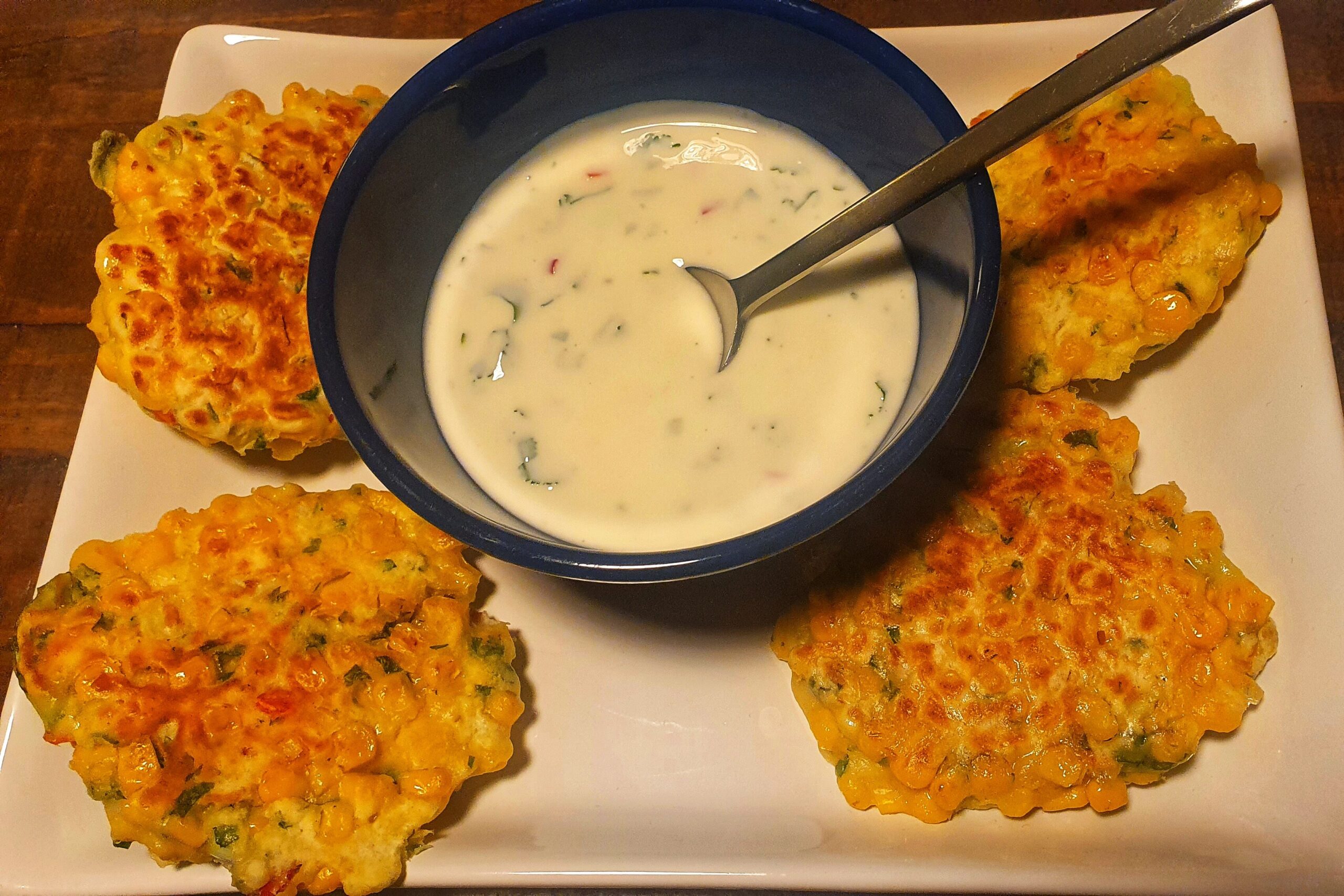
Corn fritters in frozen form were a standard side dish in the ’60s. They were crispy on the outside with sweet bits of corn inside. Families served them with pork chops, chicken or Sunday dinners. Kids loved their sweetness and fun shape. Parents enjoyed the convenience. They cooked quickly in the oven and made meals feel more complete. They also appeared regularly at potlucks.
As tastes shifted, people opted for fresher vegetables and home-cooked versions. The frozen form started feeling too processed. Grocery stores reduced their presence as other frozen sides gained popularity. Eventually corn fritters disappeared from mainstream freezers. Some Southern brands still make versions, but they’re niche. Most shoppers haven’t seen them in decades. Their disappearance reflects changing expectations for frozen foods.
25. Canned Fruit Cocktail with Extra Cherries
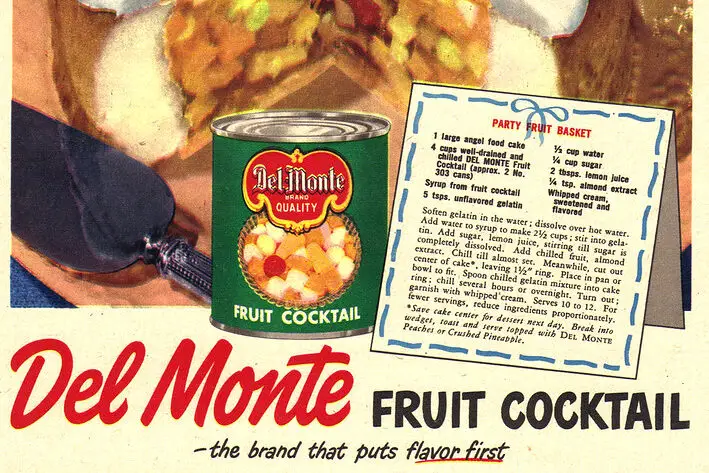
Fruit cocktail was already common, but the ’60s offered versions with extra cherries, which kids prized. Those bright red cherries were the best part of the cup. Parents often kept multiple cans on hand for desserts and lunches. The syrup was sweet and sticky in a nostalgic way. It was seen as a fun, easy fruit option. The extra-cherry version felt like a treat. It showed up at parties and picnics constantly.
Over time, sugar concerns shifted the market. Manufacturers reduced syrup-heavy mixes. Fresh fruit options became more affordable. The “extra cherry” versions didn’t fit modern nutrition preferences. Slowly they were phased out. Today fruit cocktail still exists, but not in the same sugary format. The special cherry-filled cans are a thing of the past.
26. Borden’s Condensed Eggnog Mix
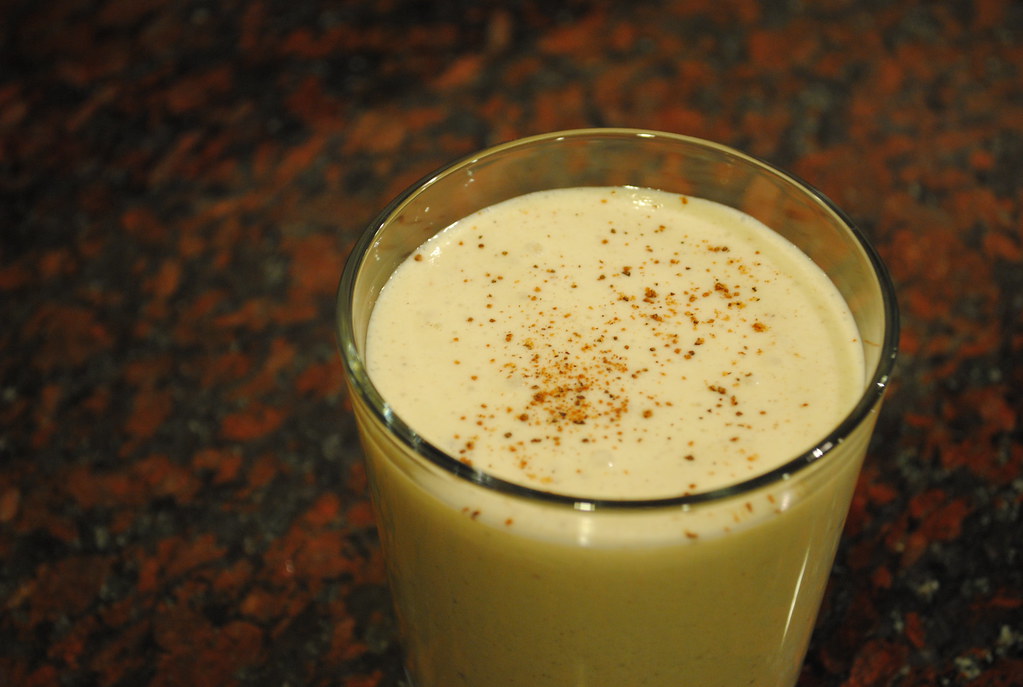
This condensed eggnog came in a can that you’d mix with milk to create a festive drink. Families used it for holidays because it was convenient and shelf-stable. Kids loved the creamy sweetness. Adults appreciated the simplicity during crowded gatherings. It was a staple in many homes throughout December. The flavor was rich, spiced and comforting. It made holiday prep feel easier.
But as refrigerated eggnog became mainstream, the canned mix felt outdated. People wanted fresher flavors and fewer preservatives. Grocery stores needed room for seasonal dairy products. The canned variety slowly disappeared from shelves. Today it’s rarely seen in mainstream stores. Some vintage recipes still call for it. It faded away with changing holiday traditions.
27. Instant Boiled Custard Mix
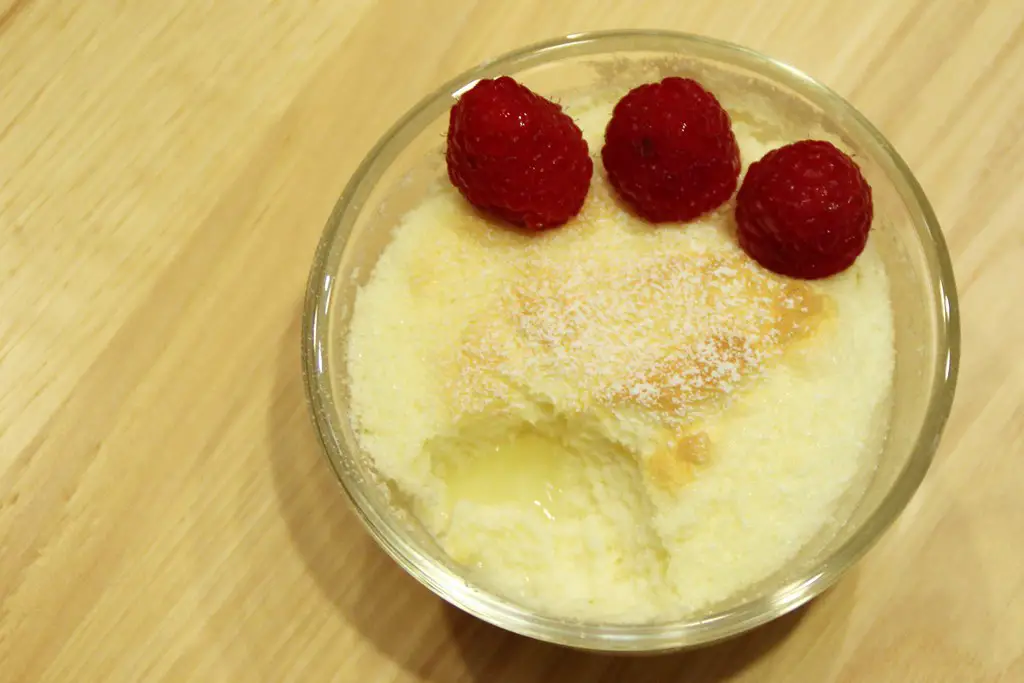
Boiled custard was once a beloved Southern dessert, and in the ’60s, instant mixes made it even more accessible. You heated milk, whisked in the powder and got a silky dessert in minutes. Families served it with cake or fruit. Kids loved its gentle sweetness. It was especially popular in winter. The mixes sold well because they offered homemade flavor without the work. They were pantry essentials for many households.
As ready-made puddings and custards hit the market, the instant mixes declined. People favored convenience over stovetop stirring. The flavor also started to feel old-fashioned. Supermarkets trimmed slow-selling items. Eventually instant boiled custard was phased out. It survives in recipe books but not on shelves. Its decline mirrors changing dessert habits.
28. Canned Frosting Mixes
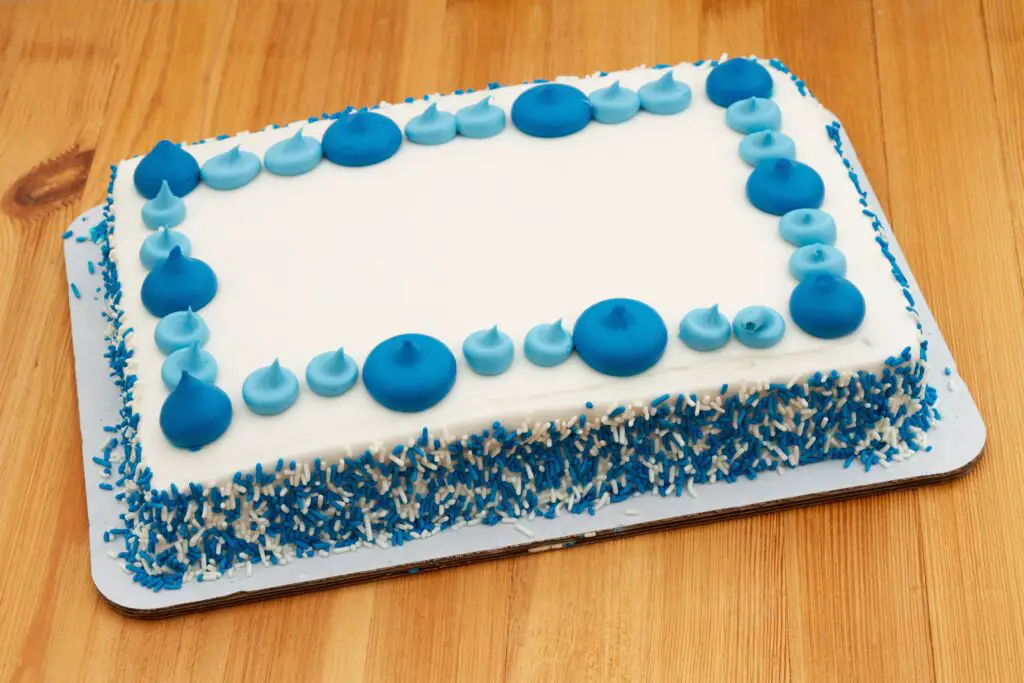
Before tubs of ready-made frosting took over, the ’60s offered canned frosting mixes you’d whip at home. You’d open the can, add water or milk and beat it until fluffy. It felt homemade but saved time. Kids loved helping with the mixing. The flavors ranged from chocolate to vanilla and sometimes even coconut. They made weeknight cakes feel special. Many families had at least one can in the pantry.
But once ready-made frosting tubs became cheaper and tastier, the mixes lost their audience. People preferred the grab-and-go convenience. The texture of the mixes sometimes felt gritty. Grocery stores phased them out as demand declined. Today, tubs dominate the market. The old canned mixes are long gone. They left behind fond memories of family baking nights.
29. Frozen Stuffed Tomatoes

These were a surprisingly trendy side dish in the ’60s, often filled with rice, cheese or breadcrumbs. They were meant to elevate simple dinners. Families appreciated their elegance and color. Kids weren’t always fans, but adults served them proudly. They felt like restaurant food brought home. The frozen version made them easy to prepare. Many holiday meals included them.
As produce became more accessible year-round, people preferred fresh tomatoes. The frozen texture couldn’t compete with real ripeness. New frozen sides overshadowed them. Slowly they faded from freezer cases. Today they’re rarely seen except in vintage ads. They represent an era of aspirational home cooking. Their disappearance highlights shifting culinary expectations.
30. Gelatin “Mocktails” in a Box
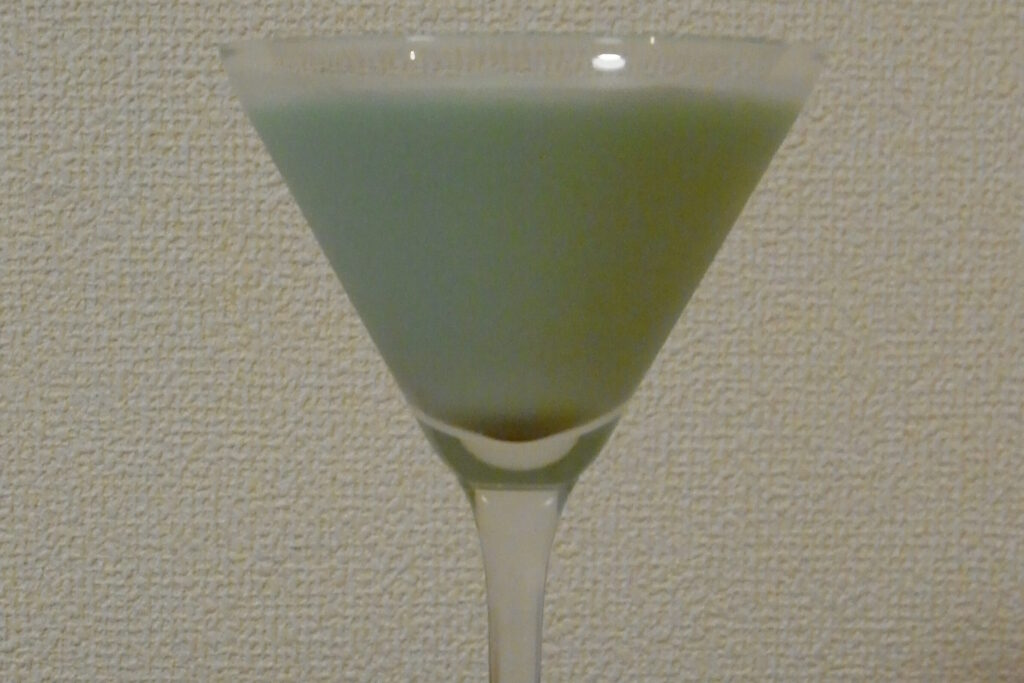
These box mixes turned gelatin into flavors inspired by cocktails, like daiquiris or piña coladas. Of course they were alcohol-free, but they felt grown-up. Families used them for parties and special treats. Kids loved the fancy names. The colors were bright and fun. They were often served in matching glasses. They added flair to otherwise simple gatherings.
But mocktail gelatin didn’t survive long. The novelty wore off as drink culture evolved. People preferred real beverages or traditional desserts. The mixes became slow sellers. Grocery stores stopped carrying them. Today they’re a quirky footnote in gelatin history. Most younger shoppers have never heard of them.
31. Powdered Shortening Mix
Before shelf-stable oils became common, powdered shortening was used in baking mixes. It made biscuits and cakes easier to whip up. Families valued the convenience. Kids didn’t notice the difference, but home bakers appreciated the texture. It lasted forever in the pantry. Advertisements promoted it as modern and reliable. It became a baking staple.
But as fresh ingredients became preferred, powdered shortening lost traction. Concerns about trans fats didn’t help. Newer baking mixes used different formulas. Grocery stores adjusted their inventory accordingly. Slowly the powdered product disappeared. Today it’s rare to see it outside specialty shops. Its decline reflects evolving baking standards.
32. Frozen Salisbury Steak “Breakfasts”
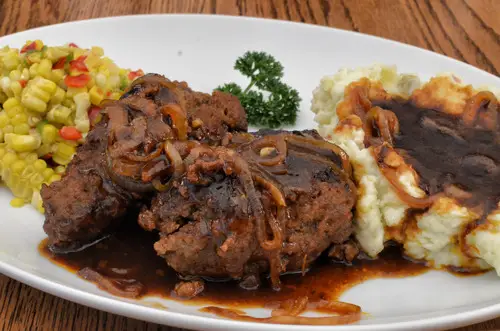
For a brief period, companies experimented with breakfast versions of Salisbury steak meals. They included items like hash browns or scrambled eggs alongside the gravy-smothered patty. Families tried them out of curiosity. Kids found them odd but edible. The idea was convenience, even if the flavors didn’t match. They were marketed as hearty morning fuel. They were unusual but memorable.
The concept didn’t catch on. Most people preferred traditional breakfast foods. The salty gravy felt strange with eggs. Better breakfast options emerged. Frozen waffles and breakfast sandwiches dominated the market. The experimental meals quietly vanished. Today they’re remembered only by those who tried them once.
33. Canned Peanut Butter Cookies
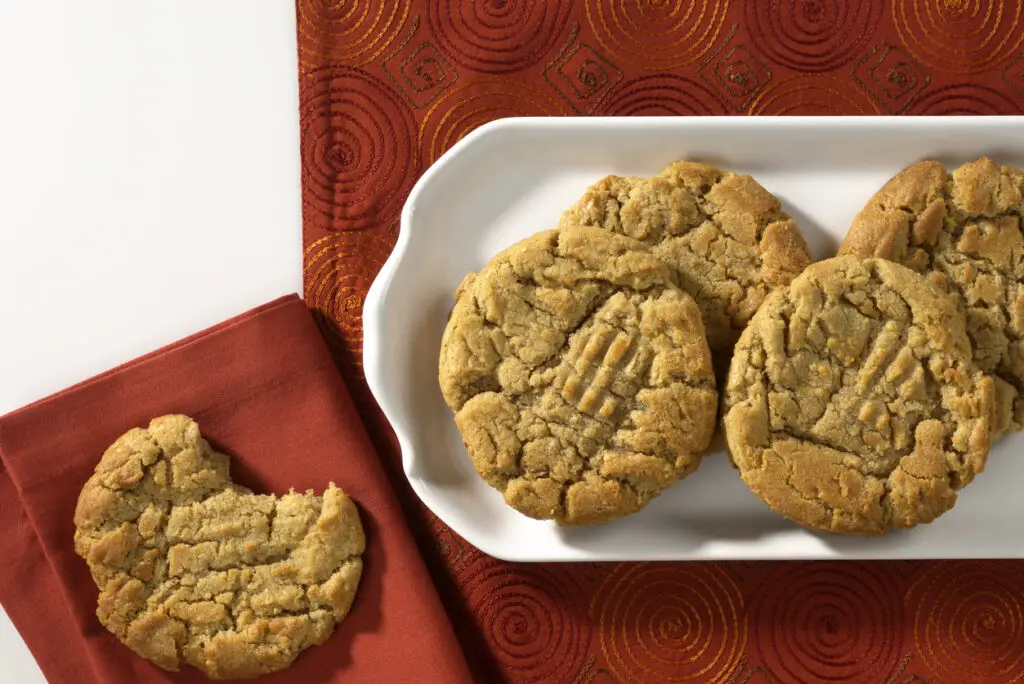
These ready-to-bake cookies came as soft dough in a can, similar to biscuits. You’d slice or scoop it, bake it and get warm peanut butter cookies in minutes. Kids loved them because they tasted sweet and comforting. Parents loved them because they were quick. They were a novelty at the time. They made everyday baking feel effortless. They often appeared at school bake sales.
As refrigerated cookie dough improved, the canned version fell behind. The texture was inconsistent. People preferred dough that tasted fresher. Grocery stores dropped slower-moving items. Eventually canned cookie dough disappeared entirely. Today few people remember it existed. It’s one more example of early convenience food being outperformed.
34. Frozen Meat Pies with Sweet Crusts
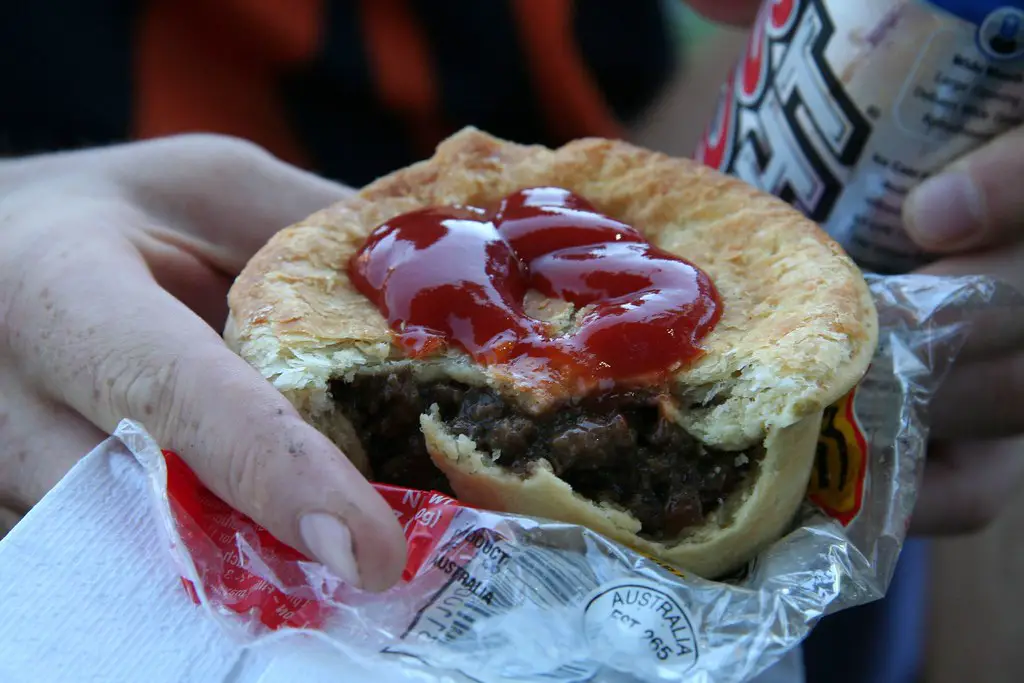
These small savory pies had unexpectedly sweet crusts, which was typical in the ’60s. The filling usually combined beef or chicken with vegetables and gravy. Families served them on chilly nights. Kids liked the dessert-like crust even if the filling was savory. Advertisers claimed they were the ultimate comfort meal. They were affordable and quick to heat. They felt special for weeknight dinners.
Over time, savory pies moved toward more balanced flavor profiles. The sweet crust fell out of favor. Frozen food companies shifted to pot pies with neutral pastry. The older versions didn’t sell well enough to stay. Slowly they were discontinued. Today they’re rarely mentioned outside vintage cookbooks. Their disappearance shows how much tastes have changed.
35. Breaded Veal Patties in the Freezer Aisle
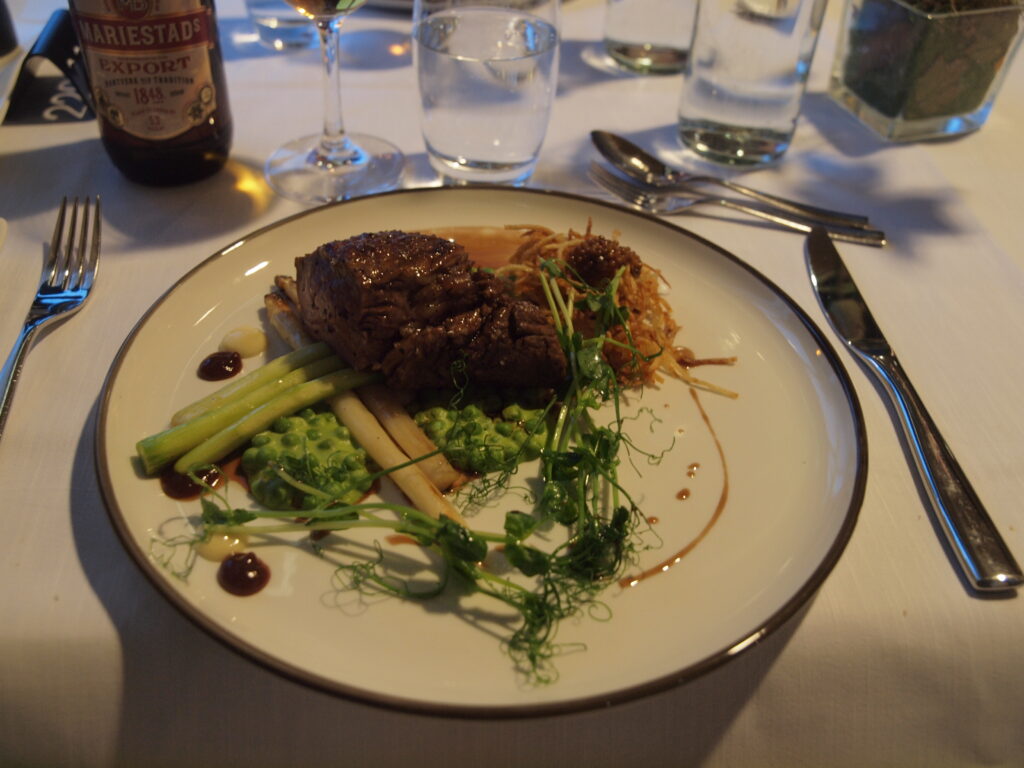
Breaded veal patties were once marketed as an upscale dinner shortcut. They cooked quickly and paired well with pasta. Families saw them as a fancier alternative to beef patties. Kids often didn’t realize what veal was, but they ate them happily. The breading turned golden in the oven. They were popular for Sunday dinners. Many households kept them on hand.
But as awareness of veal production grew, demand dropped. People preferred chicken or beef options. The patties didn’t feel as appealing in later decades. Frozen brands transitioned to different proteins. Eventually they were phased out. Today they’re hard to find in mainstream groceries. Their disappearance reflects ethical and culinary shifts.
36. Punch-Flavored Sherbet Bricks
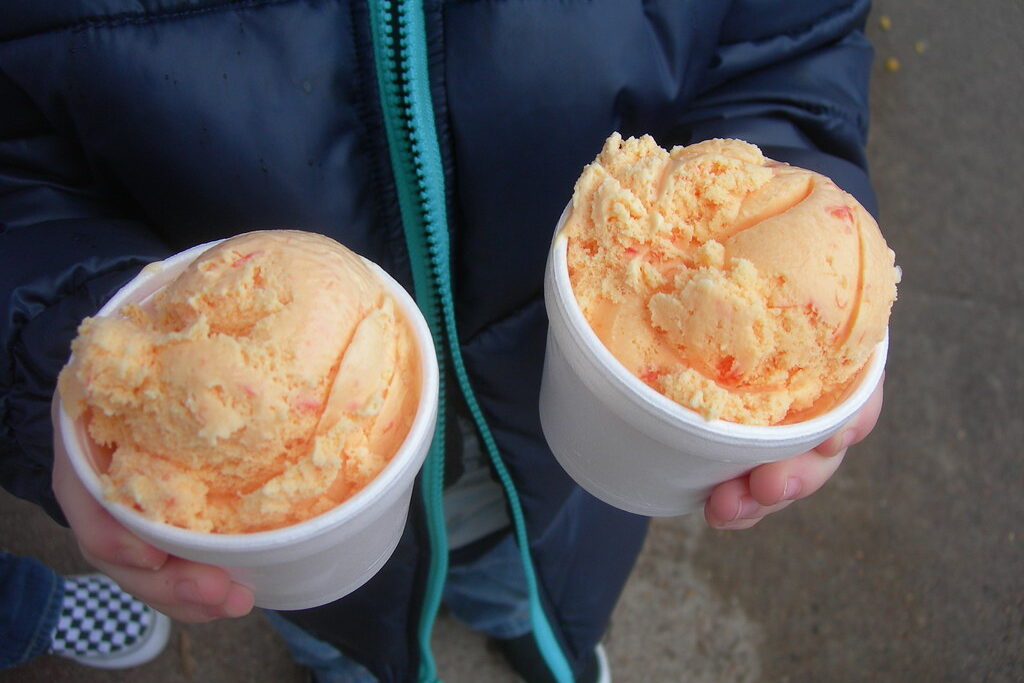
These colorful sherbet bricks were designed to be dropped into punch bowls for parties. They dissolved into fruity foam that kids adored. They made entertaining easy for parents. The colors were bright and festive. They often appeared at birthdays, holidays and neighborhood gatherings. The flavor was sweet and refreshing. It was a staple party item.
As party trends changed, punch bowls became less common. People served individual drinks instead. Sherbet bricks declined in sales. Grocery stores stocked fewer specialty dessert items. Eventually they were quietly discontinued. Today they’re remembered mostly through old party photos. They represent a lost era of communal entertaining.
37. Canned BBQ Wieners
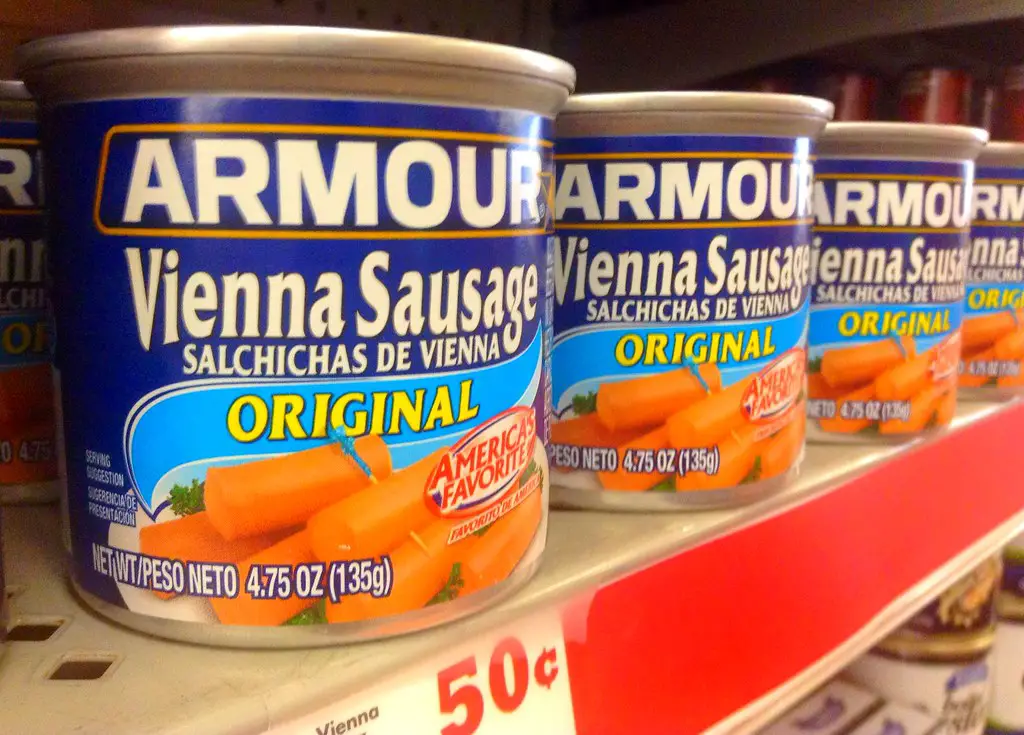
These were small hot dogs swimming in a sticky, sweet barbecue sauce. They were popular as quick appetizers or kid-friendly meals. Families heated them for parties or easy dinners. Kids loved the sweetness. Adults appreciated the convenience. They were inexpensive and lasted forever in the pantry. They were part of many ’60s households.
As fresh sausages and better sauces became available, canned wieners lost their appeal. People preferred grilling fresh hot dogs. The canned sauce felt overly sweet and artificial. Sales declined steadily. Grocery stores eventually discontinued them. Today they’re almost impossible to find. They faded away as tastes moved toward fresher flavors.