
1. Leech Collector

Back in the days when medical treatments were more guesswork than science, leech collectors wandered into marshes to gather the slimy creatures doctors swore by. It was messy, cold work, and these folks often let the leeches latch onto their own legs because it made gathering easier. Most people today would shudder at the thought, but for rural communities it was a dependable source of income. You can almost imagine a dramatic movie villain striding out of a swamp with jars of wriggling creatures.
They traveled between towns selling their haul to barbers and physicians who believed bloodletting cured everything from fevers to headaches. Some collectors formed little unofficial territories to avoid competition, which only adds to that sinister mystique. Even though the job disappeared as medicine advanced, the idea of someone harvesting leeches in the mist still feels spooky. It is one of those professions that sounds far more gothic than it actually was.
2. Sin-Eater
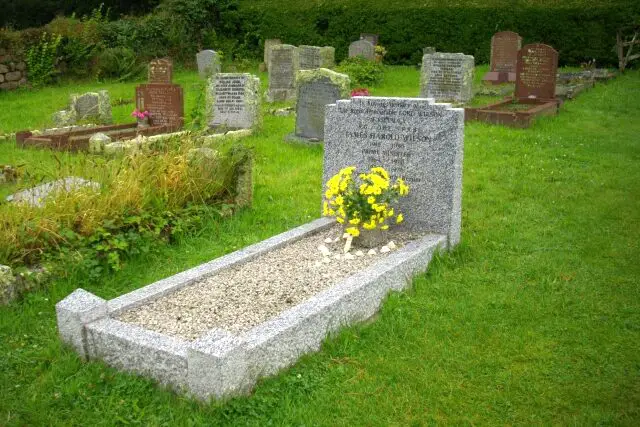
Sin-eaters were once hired to symbolically absorb the sins of the dead by eating bread placed on the body. Families believed this allowed the soul of their loved one to pass into the afterlife cleansed. The job fell to people on the fringes of society, who performed the ritual quietly and without fanfare. Just hearing the title feels like something straight out of a supernatural thriller.
These workers rarely received more than a meal or a small payment for their trouble. They took on spiritual baggage for communities that refused to interact with them socially. The tradition eventually faded as religious practices changed and families became uneasy with the ritual’s dark undertones. It left behind a haunting reputation that still captures the imagination.
3. Resurrectionist

Before medical schools had access to donated bodies, resurrectionists dug up freshly buried corpses to sell to anatomists. They worked at night and moved quickly to avoid constables and grieving families. While it was technically illegal, the demand for cadavers made it a thriving underground business. The name alone sounds like a character who would haunt graveyards at midnight.
They traveled with shovels, sacks, and a sharp awareness of local burial habits. Many worked in crews to minimize risks, and some even made enough money to be considered middle-class. As soon as body donation laws changed, the profession vanished. Still, the whole idea feels tailor-made for a moody period drama.
4. Knocker-Up
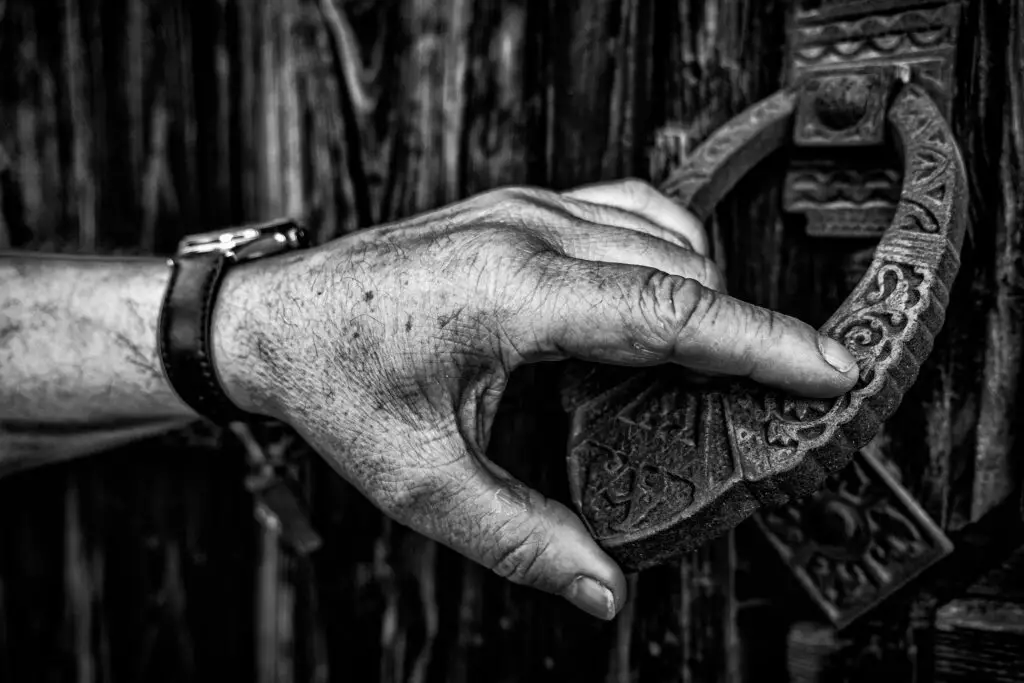
A knocker-up walked the streets with long poles, tapping windows to wake people before alarm clocks became common. It was a steady job for early risers, though it meant creeping through quiet neighborhoods in the foggy dawn. The job title sounds eerie, like someone who might appear in an old mystery film. In reality, they helped factories run on time.
These workers had regular routes and loyal customers who trusted them more than unreliable mechanical clocks. Some knocker-ups used pea-shooters to avoid disturbing entire households. The profession faded quickly once affordable alarm clocks arrived. Yet the mental picture of a shadowy figure striking windows one by one lingers.
5. Night Soil Man
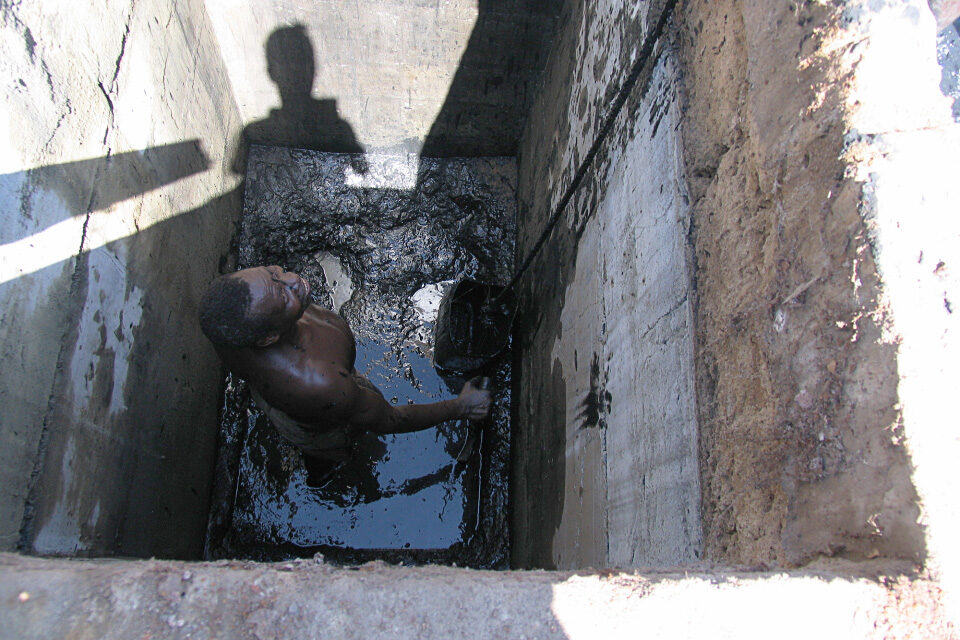
Night soil men collected human waste before modern plumbing and sewage systems existed. They worked after dark to avoid drawing attention, carrying buckets through alleys and emptying chamber pots. It was dangerous, smelly, and often poorly paid. The job name alone feels like something whispered by characters warning each other in a suspenseful scene.
Despite the grim nature of their work, these laborers were essential for keeping cities relatively sanitary. Many dealt with health risks and long hours, but their role remained vital well into the nineteenth century. Once sewer systems expanded, night soil men disappeared from urban life. Still, the phrase makes you picture someone lurking with a lantern in hand.
6. Whipster
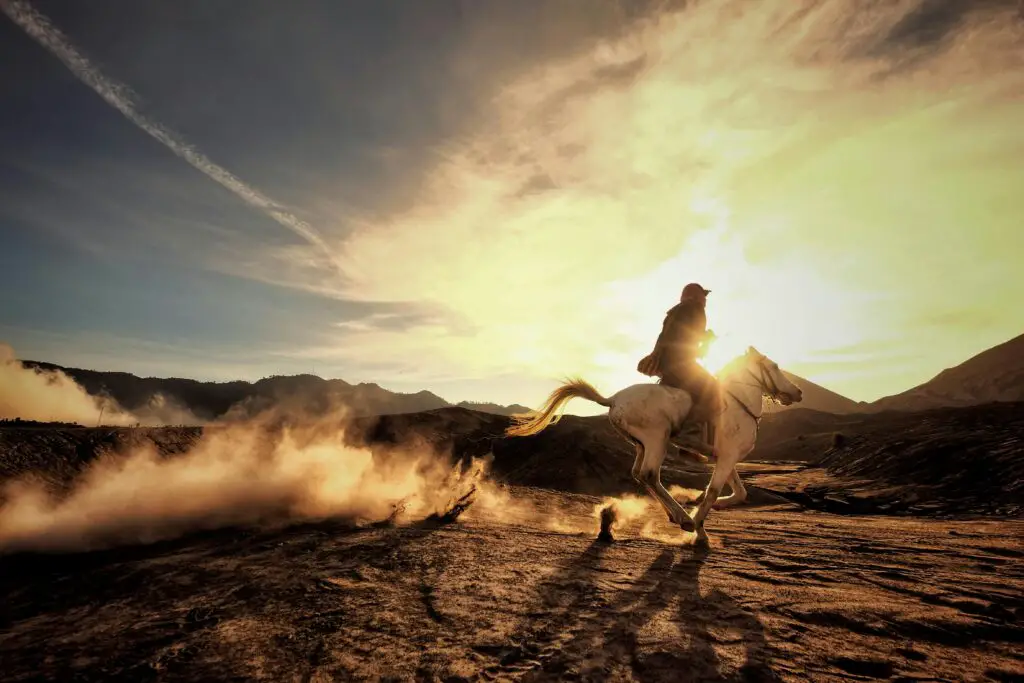
Whipsters were hired as professional trick riders who entertained crowds with daring stunts on horseback. They mastered jumps, spins, and balance skills that kept audiences captivated long before modern stunt performers existed. The name sounds like it could belong to an intimidating rogue in a Western movie. Instead, they were performers who blended athleticism with showmanship.
Traveling circuses and fairs relied on whipsters to bring excitement to small towns. Their routines required intense training and carried plenty of risk. Eventually, changing tastes and new entertainment options pushed them aside. Still, their title carries a hint of danger that feels perfect for a silver-screen outlaw.
7. Gong Farmer
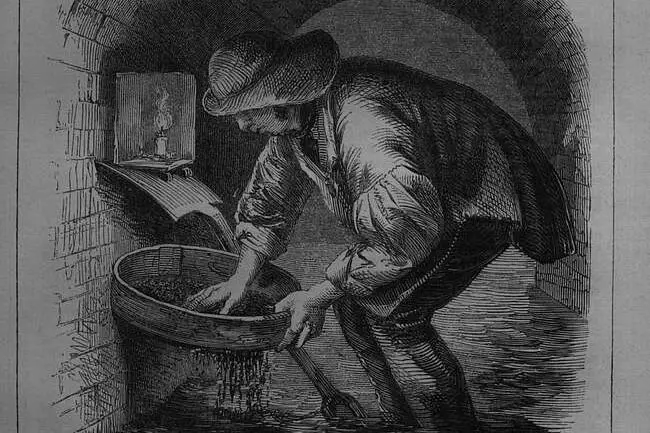
Gong farmers cleaned cesspits in Tudor England, usually working at night when fewer people would see them. Their job required incredible endurance and a strong stomach. The name may sound deceptively charming, but it held a grim reputation. You could easily imagine a villain in a period film introducing himself as a gong farmer with a dramatic flourish.
These workers were paid well for the era because the job was so unpleasant. Despite the pay, they faced health hazards and social stigma. When indoor plumbing became more common, their services were no longer necessary. The title remains one of history’s most misleadingly poetic job names.
8. Powder Monkey
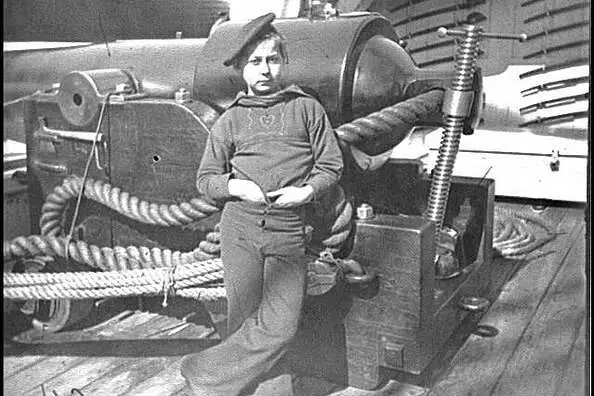
Powder monkeys were young boys on naval ships who carried gunpowder from storage rooms to cannons during battles. Their small size made it easy for them to navigate tight spaces, though the work was extremely dangerous. The name sounds like a mischievous villain from an adventure movie. In reality, they were some of the bravest kids on the ship.
Their quick movements helped keep the cannons firing in the heat of combat. Many sailors owed their survival to these young workers. As naval warfare changed and technology improved, the position disappeared. But the dramatic title still sparks vivid imagery.
9. Rat Catcher
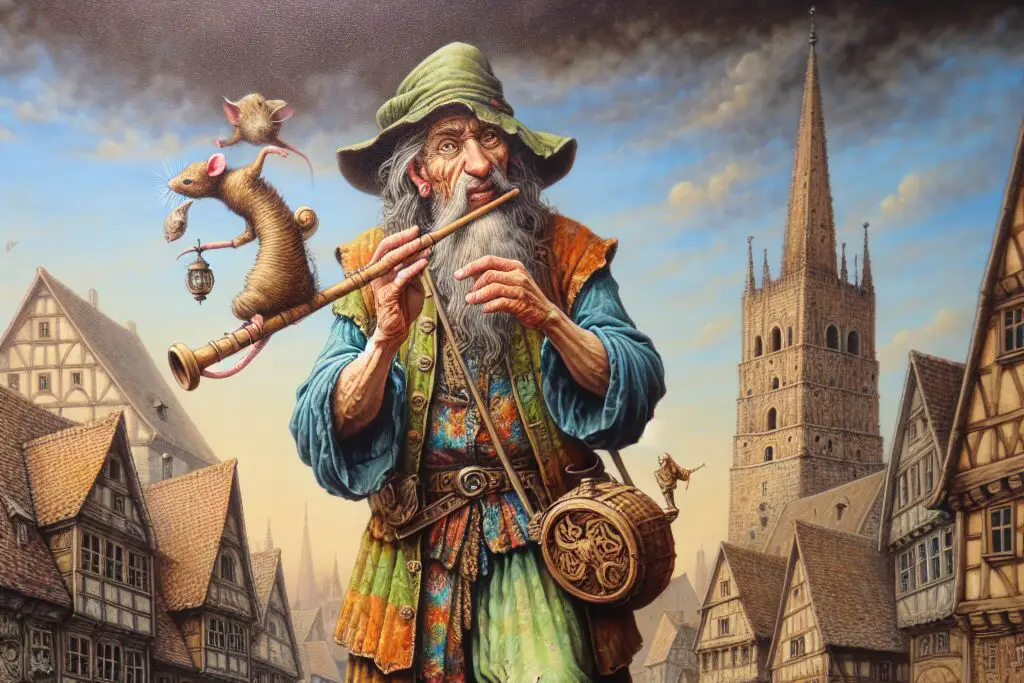
Rat catchers were hired to control vermin in cities before modern pest control existed. They roamed streets with nets, traps, and sometimes even trained dogs or ferrets. The title sounds like someone who might control an underworld of creatures in a fantasy film. In truth, they played a crucial role in public health.
Rat catchers often became minor local celebrities due to their odd skills. Some displayed their catches to prove their effectiveness. As sanitation improved, their role diminished, though the profession technically lives on in modern forms. The old-time name, though, will always feel slightly sinister.
10. Loblolly Boy
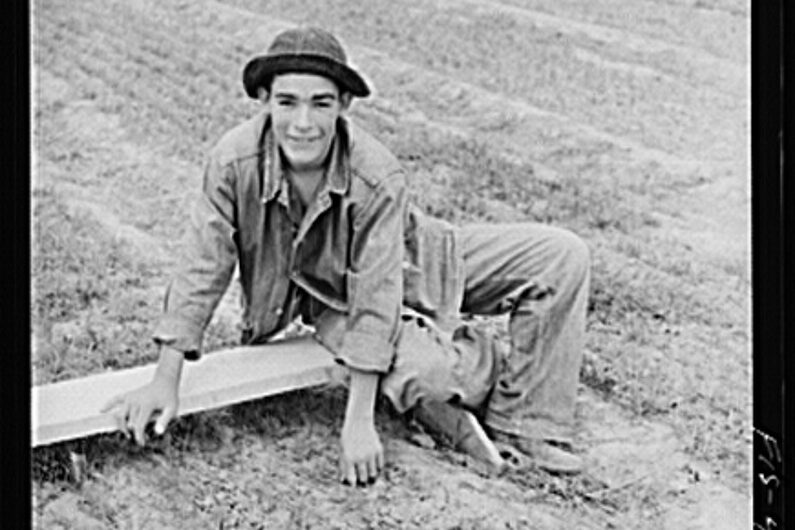
A loblolly boy assisted ship surgeons by mixing porridge and serving it to sick or injured sailors. Their role also included holding patients during painful procedures. The name feels odd enough to belong to an eccentric antagonist in a seafaring story. Despite that, they were vital helpers on long voyages.
They cleaned tools, fetched supplies, and learned basic medical skills along the way. Many later became full surgeons thanks to the hands-on experience. Changing naval practices eventually replaced the position with more formal medical roles. Still, the term has a quirky charm that makes it unforgettable.
11. Bone Grubber

Bone grubbers scavenged bones from trash heaps, fields, and alleys to sell for use in everything from glue to fertilizer. Their work made them a common sight in industrial-era cities. The name could easily fit a shadowy character lurking in a dark alley in a noir film. In reality, they were early recyclers who kept materials in circulation.
The job required patience and a willingness to dig through unpleasant debris. Bone grubbers often worked alongside ragpickers and other scavengers. Once manufacturing evolved, the demand for raw bone declined. Even so, the title feels like something whispered in a ghost story.
12. Ale-Conner

An ale-conner was responsible for testing the quality and purity of beer in medieval England. They inspected taverns, sampled batches, and ensured no one was skimping on ingredients. The name feels like it belongs to a crafty villain in a medieval fantasy tale. In truth, they protected customers from watered-down or spoiled brews.
Some ale-conners even tested beer by wearing leather breeches and sitting in spilled ale to see how sticky it became. If it glued them to the bench, the beer passed. Their quirky method faded with better brewing standards. Still, the title sounds almost too dramatic to be real.
13. Carrier of the Dead
In times of plague or epidemics, carriers of the dead transported bodies to burial grounds. Their work kept communities functioning when fear kept most people indoors. The title sounds like a character who would appear in a chilling historical drama. Yet their contribution was practical and brave.
These workers faced enormous risks and often had little protective gear. Many served out of necessity, taking on a task few others dared to do. As sanitation systems improved, the role slowly vanished. The name itself, however, continues to echo with somber intensity.
14. Ordurer
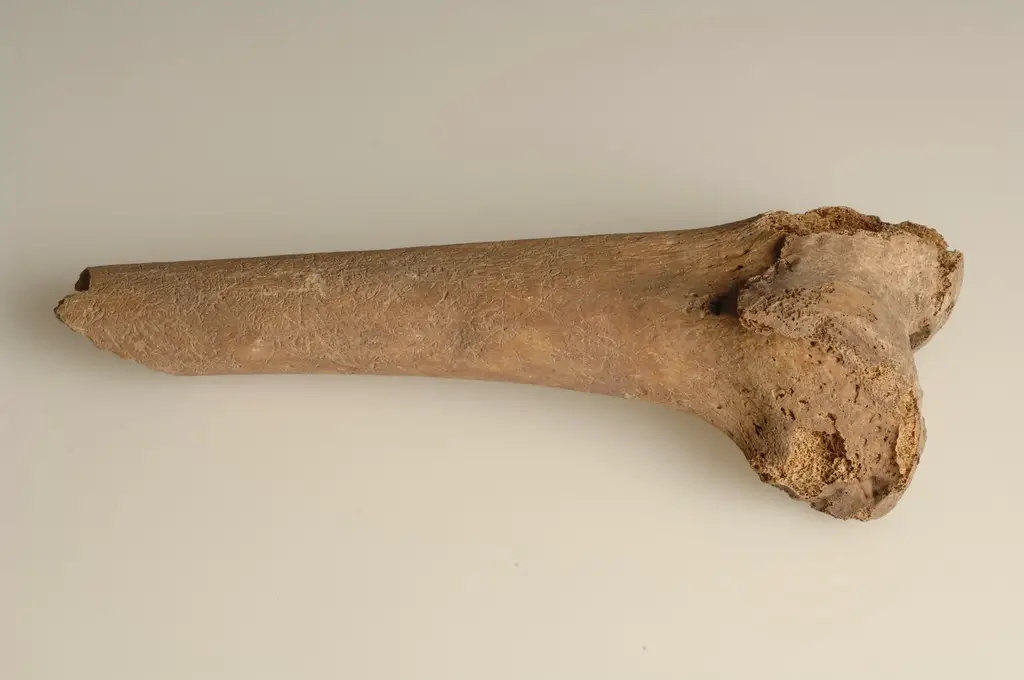
An ordurer’s job was to remove animal carcasses and other unpleasant waste from towns. They were often the first called when something needed clearing before disease could spread. The word sounds like it belongs to a powerful villain commanding dark forces in an epic movie. In truth, they were essential sanitation workers long before the term existed.
Their work went largely unnoticed unless something went wrong. Despite being vital, they rarely earned much respect. Modern sanitation systems eventually made their role obsolete. Still, the title has a grim flair that lingers.
15. Bridewell Keeper
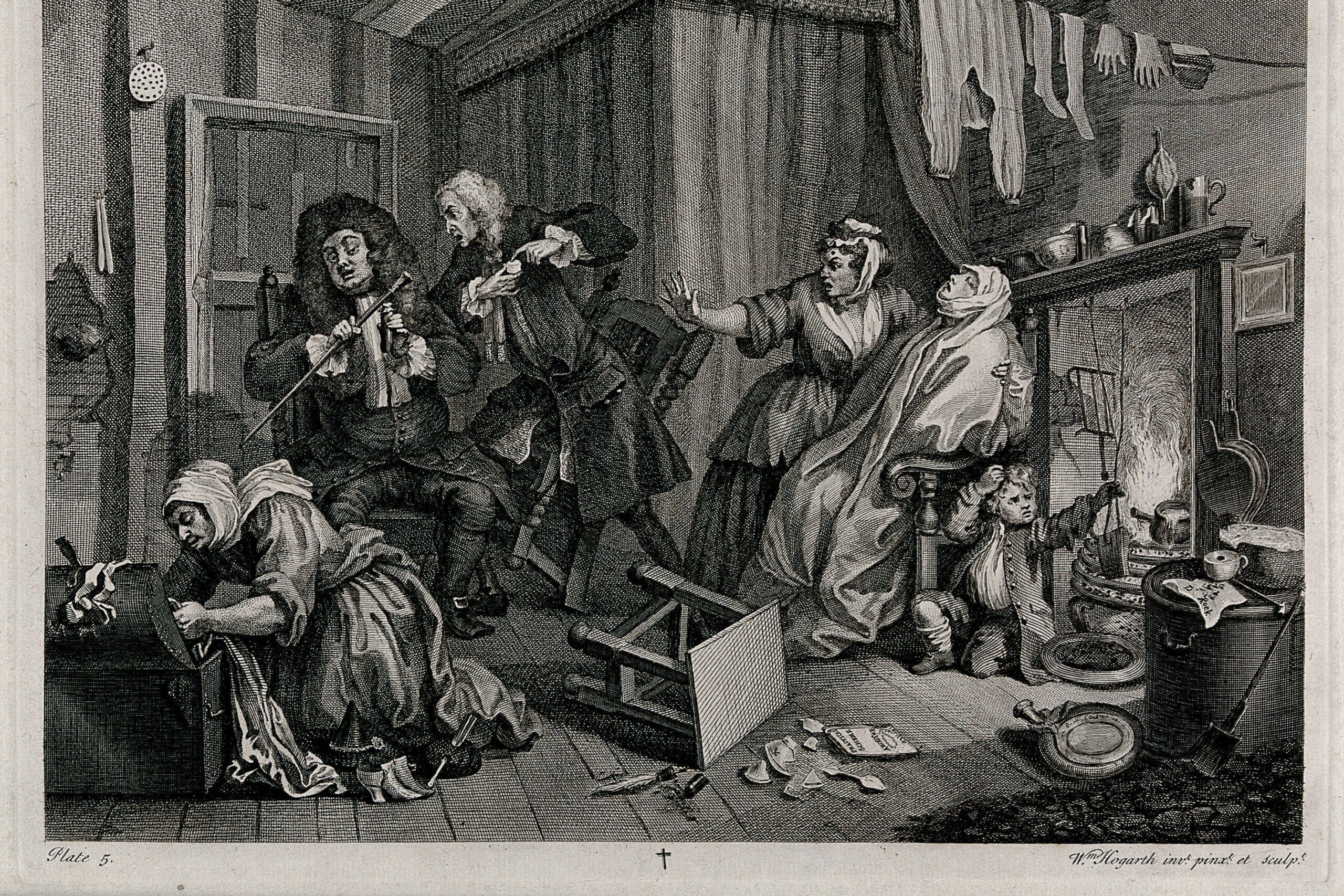
A bridewell keeper oversaw early houses of correction, where petty offenders were sent for discipline and labor. They maintained order and ensured tasks were completed. The title sounds like it belongs to a stern antagonist guarding a fortress in a dramatic tale. In reality, they were prison officers working within strict systems.
Their jobs could be dangerous due to overcrowding and limited resources. Many worked long hours to maintain peace among inmates. As prison systems evolved, bridewell keepers faded into history. Yet the name still carries an imposing weight that feels made for the screen.