
1. Grigori Rasputin
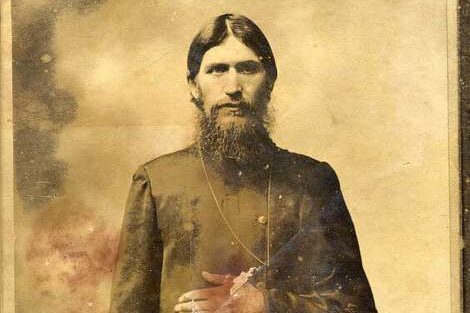
Rasputin is often remembered as a mystical oddball who somehow charmed Russia’s royal family, but the real man was far more complicated than the stories suggest. He lived a rough early life in Siberia and survived a series of violent encounters long before he ever set foot in St. Petersburg. His reputation for being hard to kill came from real incidents where attackers left him for dead. By the time he became close to the Romanovs, he had already built up a frightening legend of his own.
What makes his story darker is the chaos that followed him everywhere. His presence in the royal court fed the public’s anger and added fuel to the political fires already threatening the monarchy. People blamed him for everything from military losses to scandals he had nothing to do with. His assassination in 1916 was just as grim as the mythology, carried out by nobles who feared his influence and wanted him gone at any cost.
2. Vlad the Impaler
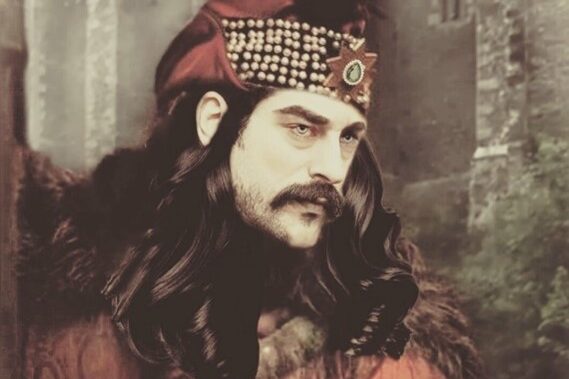
Most people know Vlad III as the inspiration for Dracula, but his real life was far more disturbing than any vampire tale. As ruler of Wallachia, he used brutal tactics to keep enemies in line during a turbulent period in Eastern Europe. Impalement was one of his preferred methods of sending a message, and stories from the era describe forests of victims lining the roads. His cruelty wasn’t an exaggeration created later, it was part of his political strategy.
While history remembers him as a monster, his actions were often grounded in the violent world he lived in. He grew up in captivity, betrayed by allies, and forced to fight for power over and over again. His harsh rule earned him both fear and support depending on who was telling the story. Legend softened some details, but the truth rarely did.
3. Emperor Nero
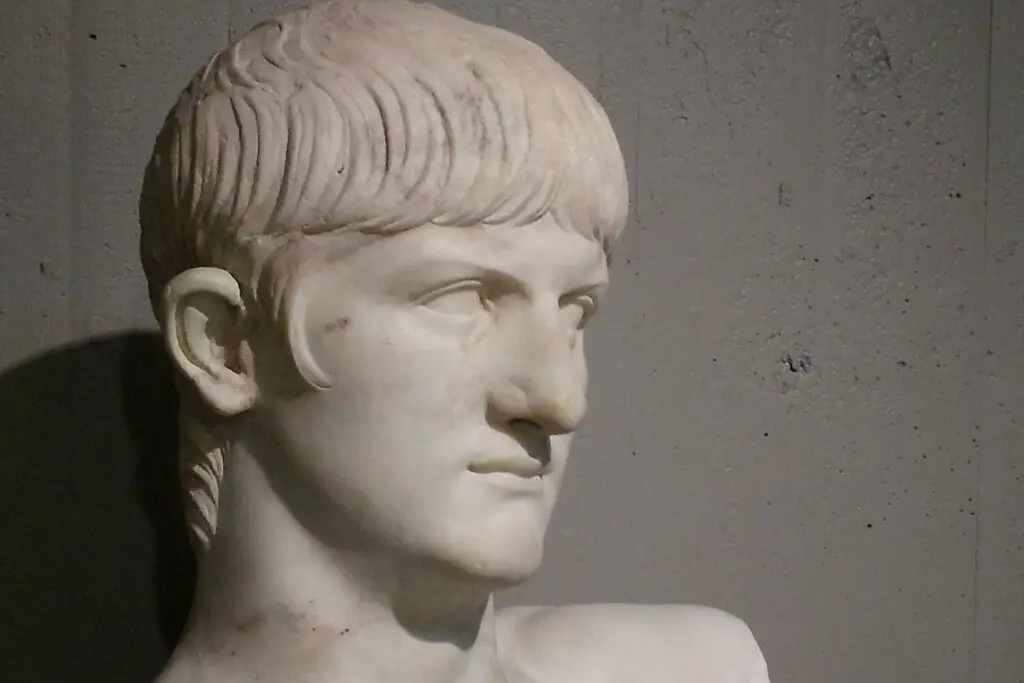
Nero is usually remembered for supposedly “fiddling while Rome burned,” but the darker parts of his story stretch far beyond that legend. As emperor, he used his power to eliminate rivals, including his own mother and stepbrother. His reign saw lavish excess alongside intense political paranoia. Ancient historians described a court full of fear where anyone could be accused of treason without warning.
The Great Fire of Rome in 64 CE only heightened the chaos. Nero’s decision to blame the Christian community led to vicious crackdowns and executions. Many of the most horrific parts of his rule weren’t embellished by storytellers, they were documented by witnesses of the time. For all the jokes about his theatrics, his rule left a trail of real devastation.
4. King Leopold II of Belgium
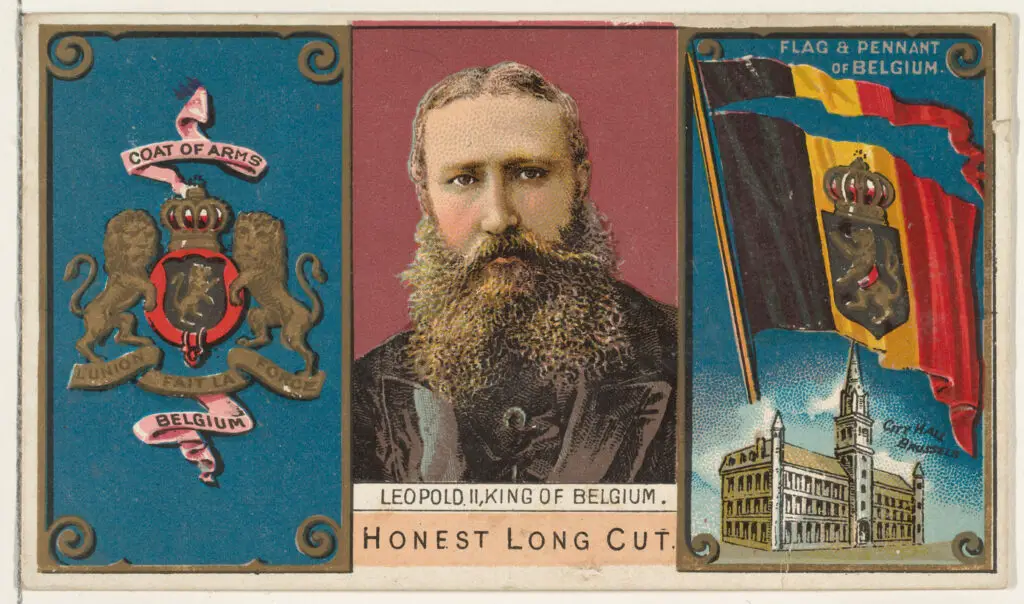
Leopold II is often remembered as a builder of cities and public works in Belgium, but the truth of his rule over the Congo Free State is one of the darkest chapters in modern history. Under his control, forced labor became common, and entire communities were punished when they failed to meet rubber quotas. Millions of Congolese people suffered under violent exploitation, and testimonies from the era describe punishments as severe as mutilation. His colonial project was far from the benevolent mission he claimed it was.
When outside observers finally exposed the truth in the early 1900s, the international outrage was enormous. Reports from missionaries and activists painted a grim picture of daily life under Belgian rule. The world eventually forced Leopold to give up his personal control of the territory. Long after his death, historians continue to uncover the full impact of his regime.
5. Elizabeth Báthory
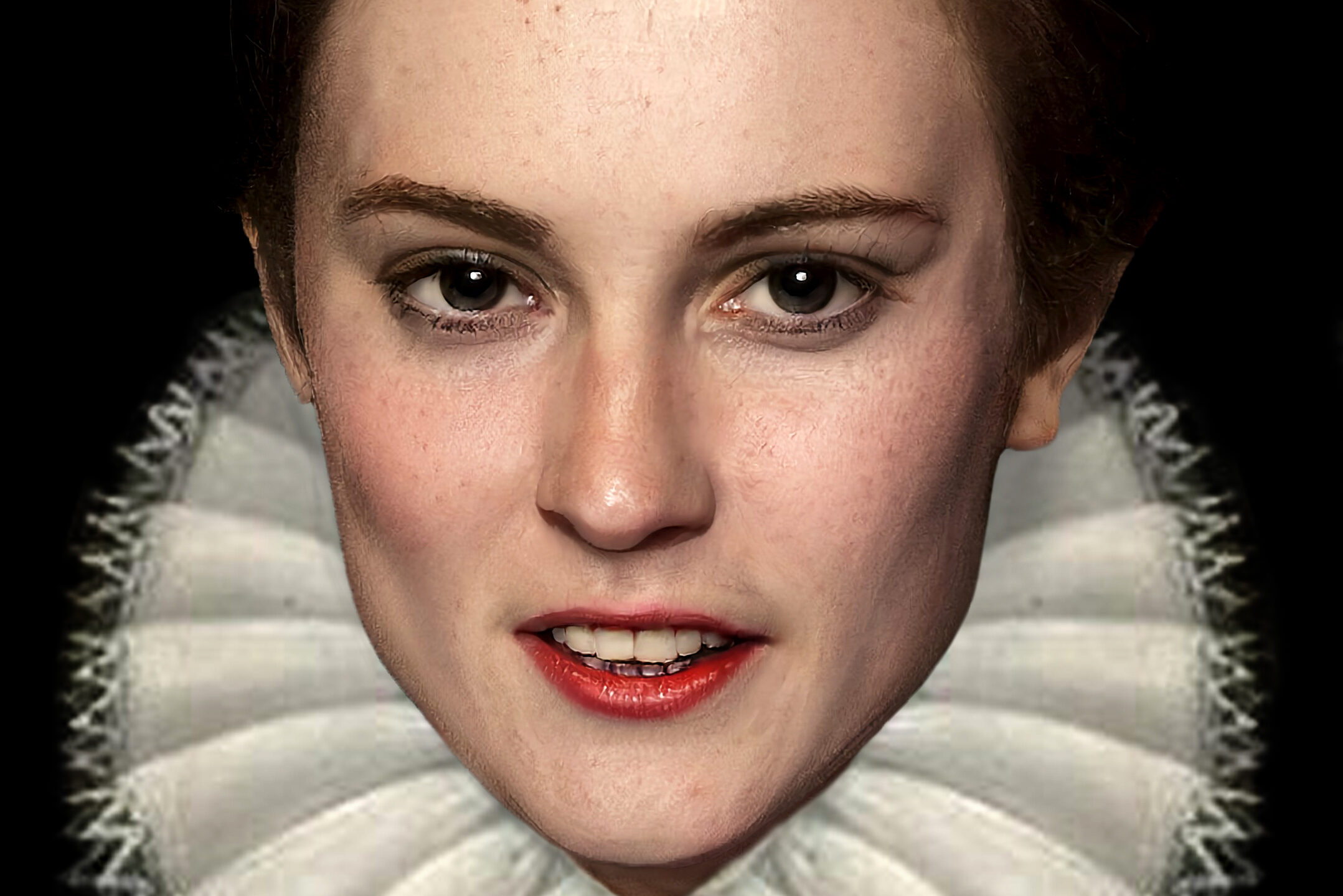
Elizabeth Báthory’s legend says she bathed in the blood of her victims, but the real story is grim even without that embellishment. She was a powerful noblewoman in 16th-century Hungary, surrounded by rumors of cruelty toward her servants. Witnesses later testified to beatings, starvation, and torture happening inside her castle. Whether or not the more sensational stories are true, the documented abuse was already horrific.
Her political position made the case even murkier. Some historians argue that parts of the charges may have been exaggerated by nobles eager to seize her family’s land. Still, her household staff admitted to participating in violence at her direction. Even the most cautious version of her story leaves a disturbing legacy.
6. Qin Shi Huang
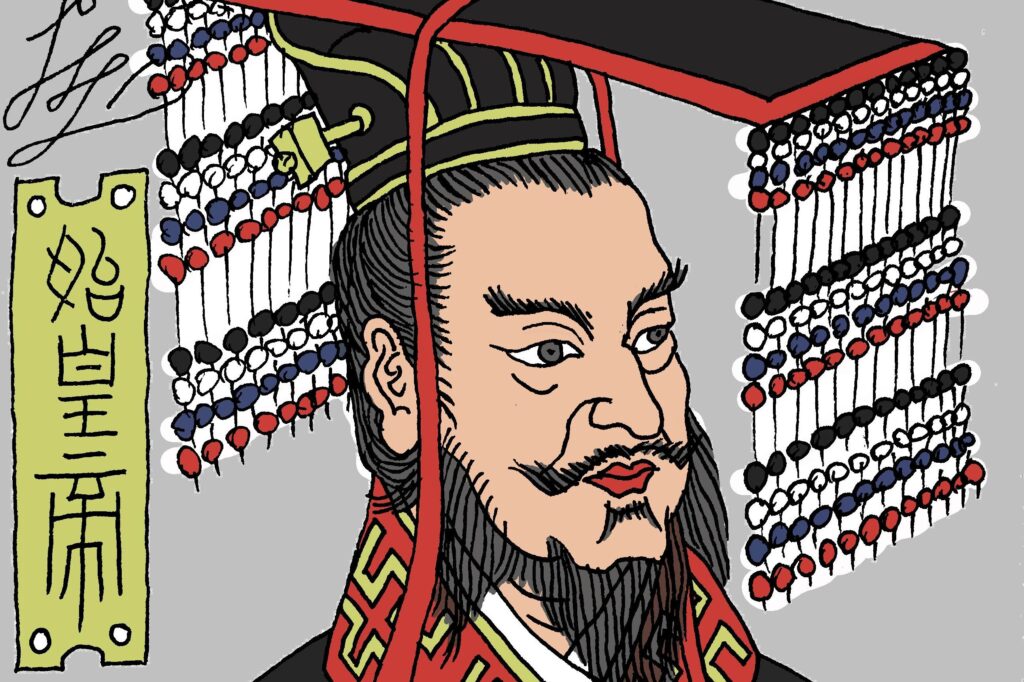
Qin Shi Huang unified China and built the early version of the Great Wall, but the triumph came with enormous human cost. His rule pushed massive construction projects that required huge labor forces, many of whom never returned home. He enforced strict laws that punished even minor offenses harshly. His search for immortality reportedly led him to take dangerous elixirs filled with mercury.
The Qin Dynasty he founded was powerful but deeply feared. Philosophers who disagreed with him faced severe consequences, including book burnings that attempted to wipe out ideas he didn’t approve of. His regime relied on surveillance and strict control to keep order. The empire he created was impressive, but the suffering behind it was immense.
7. Caligula
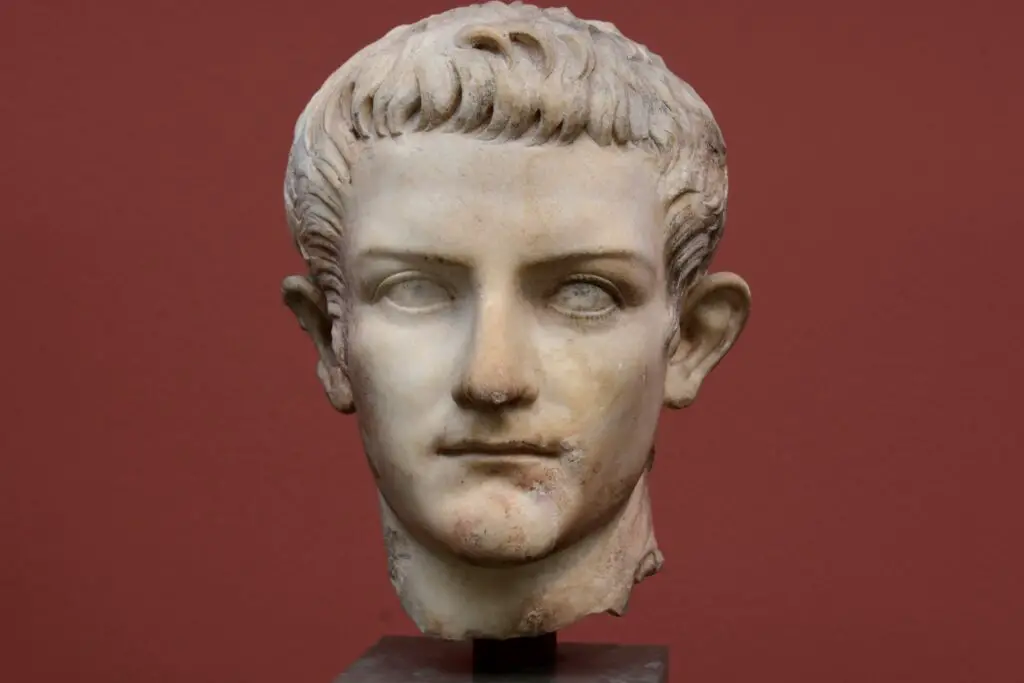
Caligula’s legend paints him as a wild, unpredictable ruler, and the truth was not much gentler. His early reign began with promise, but he became increasingly erratic after a serious illness. Ancient accounts describe sudden executions, public humiliations, and reckless spending. His behavior turned the palace into a place of constant dread.
Behind the chaos was a leader who seemed determined to test the limits of his power. Some stories may have been exaggerated by hostile historians, but many agree that his rule was marked by instability. Senators feared him, soldiers distrusted him, and even members of his family were not safe. His assassination came from those closest to him who felt they had no other choice.
8. Catherine de’ Medici
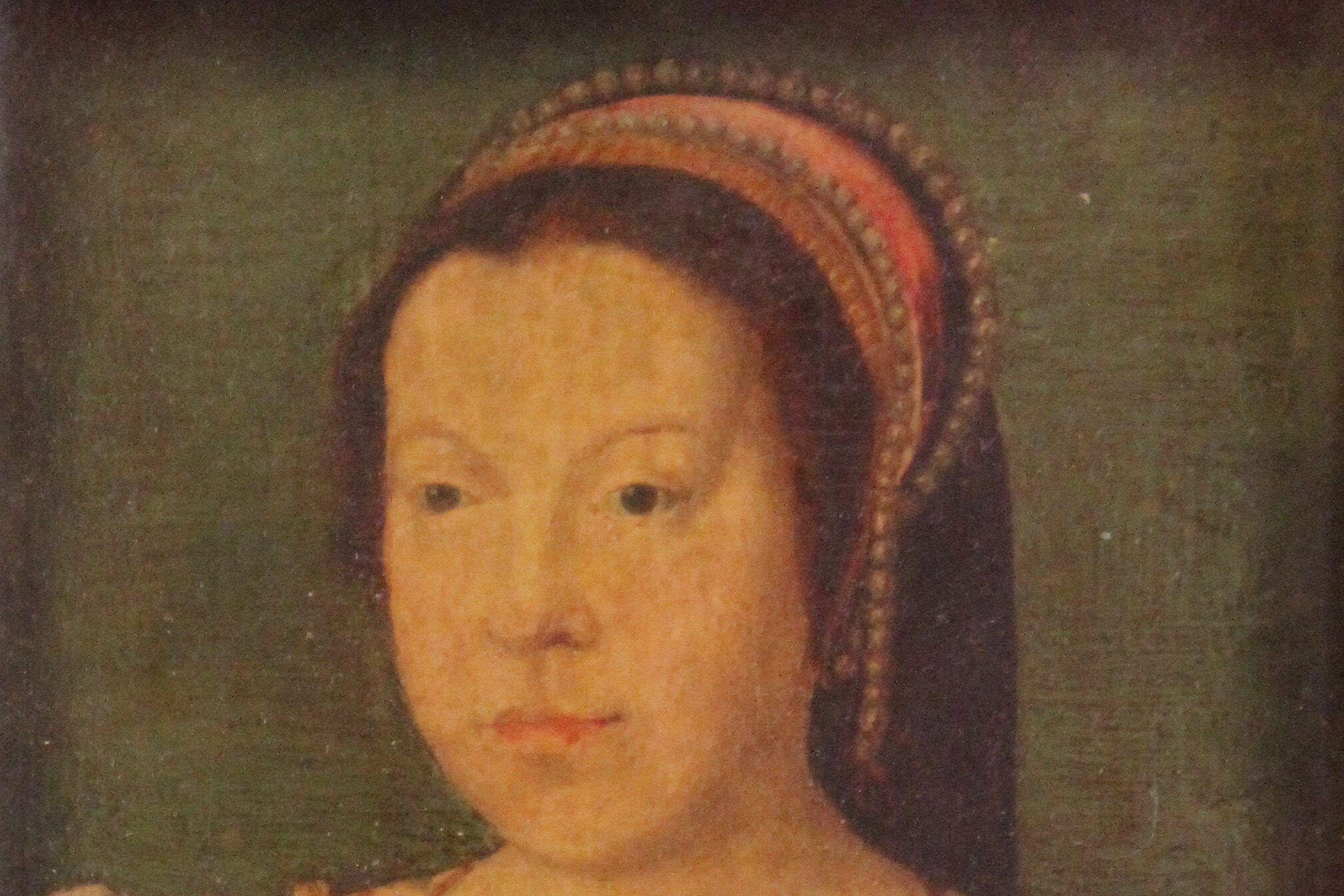
Catherine de’ Medici is often portrayed as a scheming queen who stirred up trouble in 16th-century France, but the reality was tangled in far darker politics. She faced constant threats from rival factions while trying to protect her young sons on the throne. As tensions grew between religious groups, she made decisions that later carried devastating consequences. Her involvement in the lead-up to the St. Bartholomew’s Day massacre placed her at the center of one of France’s bloodiest episodes.
While some legends turned her into a villain who poisoned enemies for sport, the truth was more about power and survival. The pressures of civil war shaped almost every move she made. She balanced diplomacy with force, sometimes in ways that fueled violence rather than stopping it. Her life was not a fairy-tale court drama but a struggle in a country on the edge of collapse.
9. Blackbeard
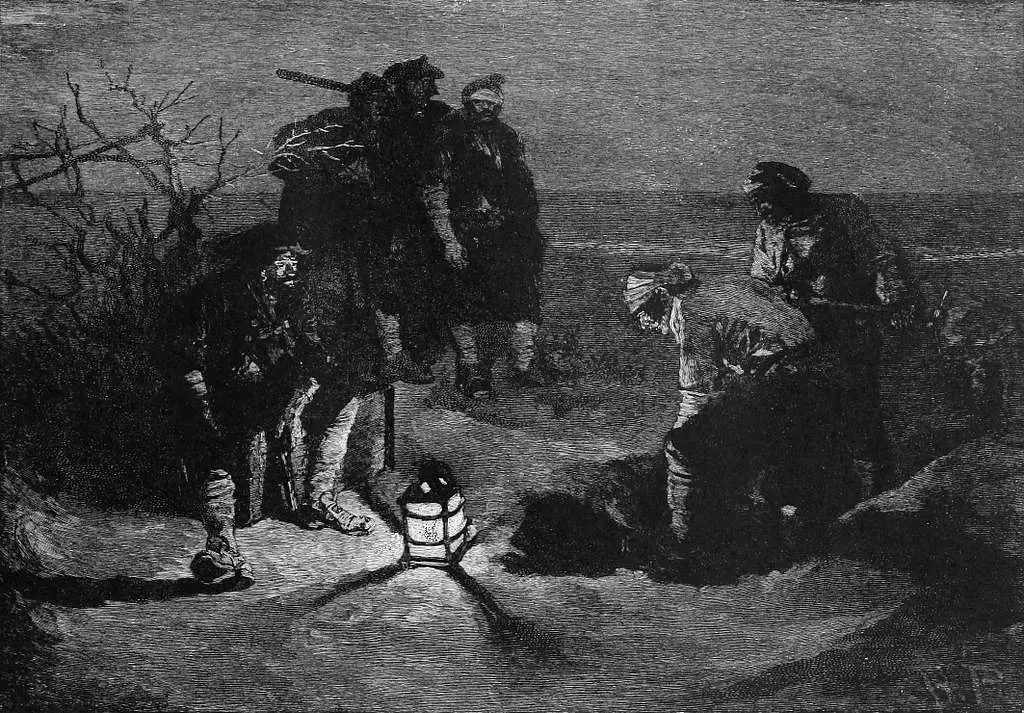
Blackbeard’s image as a fearsome pirate with flaming fuses in his beard is iconic, but his real career was far more brutal. He blockaded ports, captured ships, and intimidated entire colonies along the American coast. Witnesses described his crew torturing captives and taking whatever they wanted. His ship, the Queen Anne’s Revenge, became a floating symbol of fear in the early 1700s.
His theatrics weren’t just for legend, they were tactics meant to break resistance before a fight even started. When the British finally sent forces to stop him, the battle that followed was so fierce it became maritime legend. Blackbeard died with multiple gunshot and stab wounds, surrounded by men who had spent months hunting him. His real life needed no exaggeration to be frightening.
10. Billy the Kid
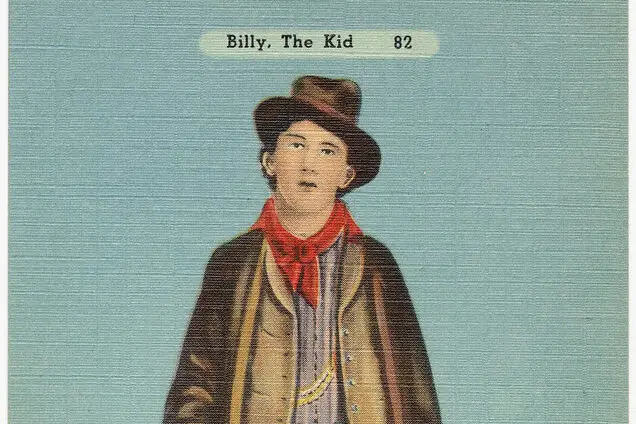
People often remember Billy the Kid as a charming outlaw, but his real life was steeped in violence and loss. He grew up in a rough environment in the American West and turned to crime as a teenager. His involvement in the Lincoln County War put him in the middle of a deadly conflict that claimed many lives. While he became a folk hero, he was also responsible for multiple killings.
The myth of the smiling gunslinger tends to gloss over the danger he brought wherever he went. He lived on the run, constantly shifting alliances to survive. Those who knew him described a young man shaped by hardship rather than adventure. His early death at twenty-one only cemented a legend that often hides the darker truth.
11. Bonnie and Clyde
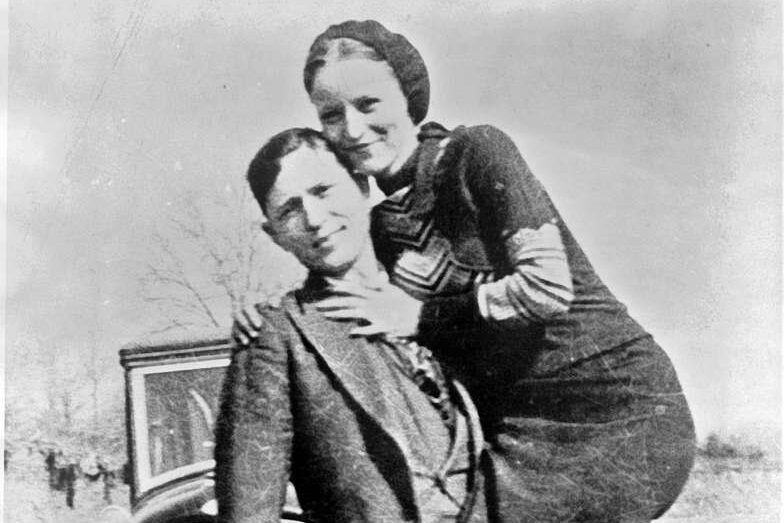
Bonnie and Clyde are often romanticized as rebellious lovebirds, but their real story was marked by violence and desperation. During the early 1930s, their gang robbed banks, stores, and gas stations, leaving a trail of injured civilians and officers. Photos of them posing with guns helped shape their glamorous outlaw image. But behind the smiles were two people constantly fleeing danger.
Their final months were particularly grim as law enforcement closed in. They spent long stretches hiding in cars, sleeping outdoors, and tending to serious wounds. Their deaths in 1934 came in a hail of bullets during an ambush. The legends paint them as daring rebels, but their actual lives were harsh, unstable, and frightening.
12. Wyatt Earp
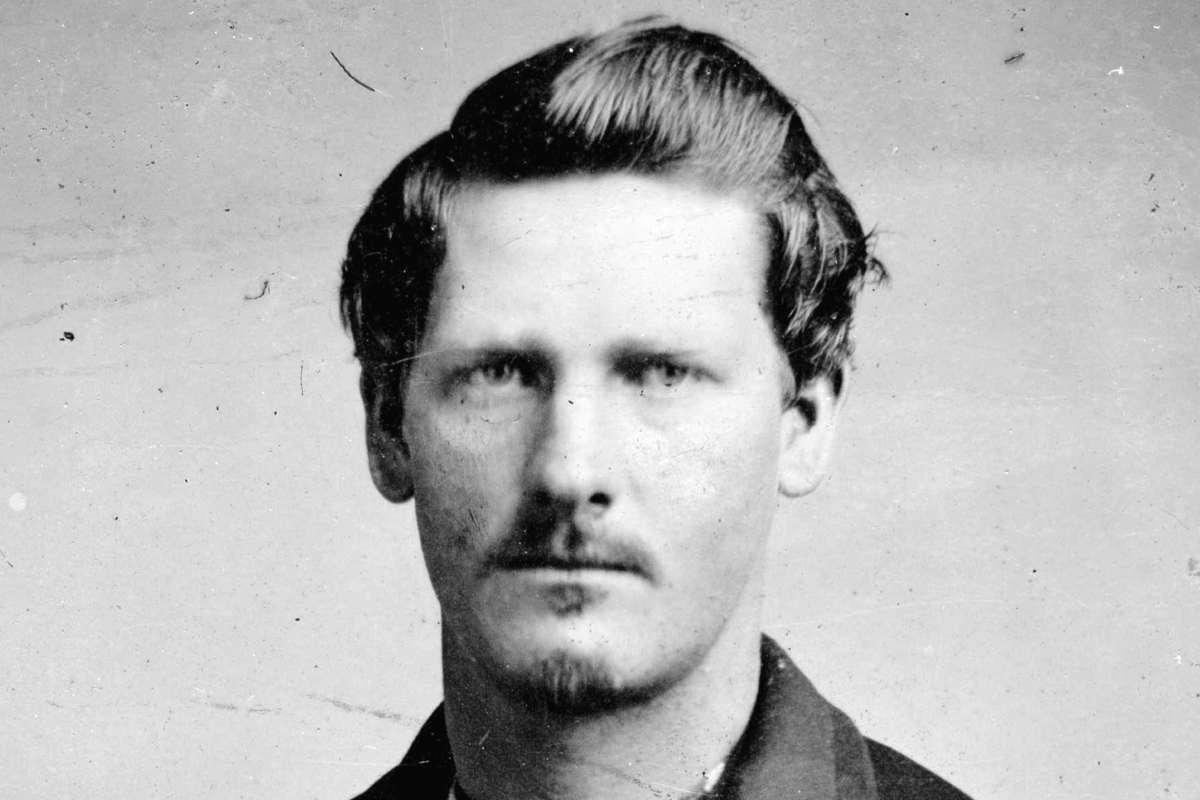
Wyatt Earp is often depicted as the ultimate Old West lawman, but his career included more controversy than the legends mention. He worked as a gambler, ran saloons, and moved frequently to escape business troubles. The famous gunfight at the O.K. Corral was followed by retaliatory violence that spiraled out of control. Several of Earp’s actions later sparked accusations of vigilantism.
His story became heroic in later retellings, but the truth was far more chaotic. He operated in a world where law enforcement and outlaw behavior often blended together. Allies shifted quickly, and loyalties were rarely clear-cut. The real Earp lived a life full of gray areas that stories often skip over.
13. Calamity Jane
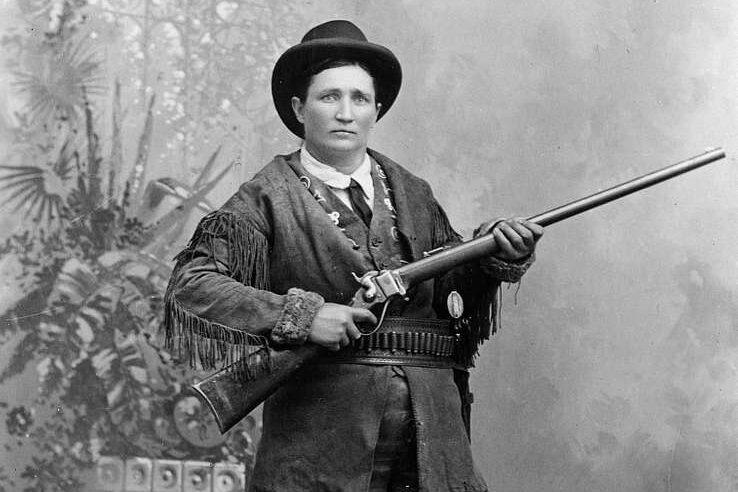
Calamity Jane is often remembered as a tough, lovable frontier character, but the real version of her life was much harder. She spent years drifting through mining towns, taking on whatever work she could find. The rough living conditions, illness, and poverty she faced rarely appear in the tall tales built around her. Later storytellers polished her image into something far more cheerful than the truth.
Her drinking and unstable lifestyle brought challenges she struggled to overcome. While she did help people during outbreaks of illness, she also dealt with deep personal loss. Stories crafted after her death often rewrote her hardships into comedic adventures. The real woman lived a far darker, more complicated life.
14. Ivan the Terrible
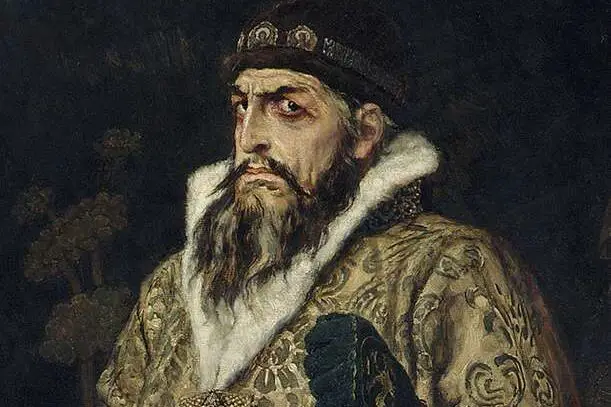
Ivan IV’s nickname wasn’t an exaggeration, but the legends surrounding him still miss some of the darkest realities. His early life was filled with neglect and violence, shaping a ruler with deep mistrust of those around him. As tsar, he created the Oprichnina, a secret police force that terrorized towns and executed perceived enemies. Reports from the era describe entire communities devastated under his rule.
His personal life was equally turbulent. The death of his beloved first wife only fueled his paranoia and anger. He inflicted violence even within his own family, including a fatal argument with his son. While stories about him can sound mythic, the real facts were often just as grim.