
1. Canned Spaghetti Rings
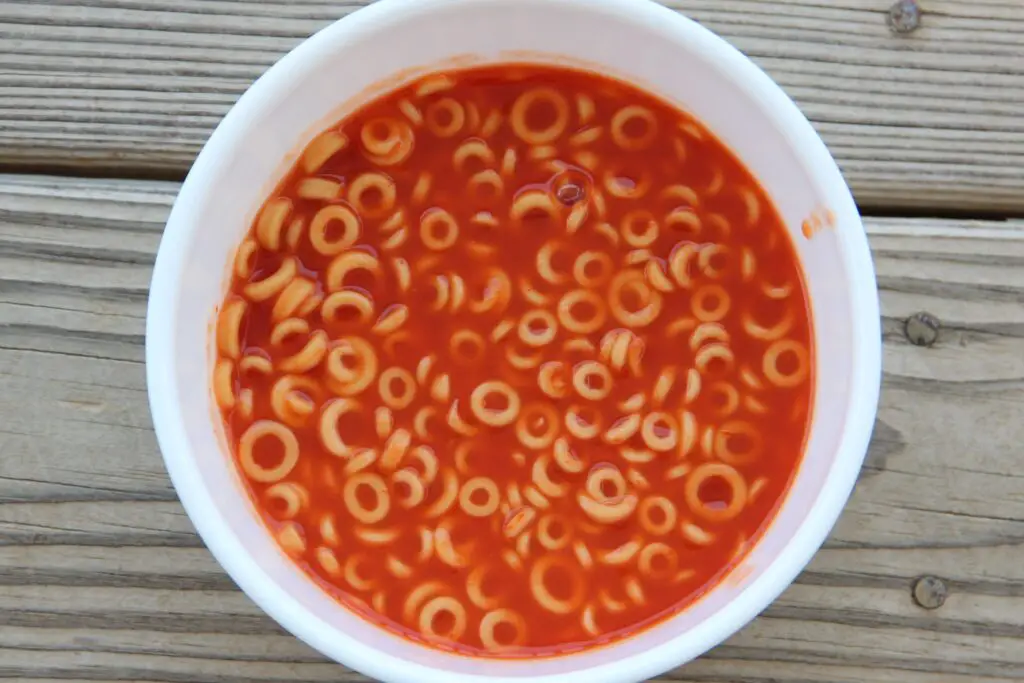
Parents in the ’80s and ’90s really thought a bowl of canned spaghetti counted as a balanced dinner. It came out of the can already sauced, already soft, and somehow always a little metallic tasting. Moms would reassure us that it had “tomato” in it, so that obviously meant we were getting a vegetable. The truth is, those bright red sauces were mostly sugar and salt with a tiny hint of tomato paste. Kids didn’t mind, of course, because the noodles were fun and the whole meal felt like comfort in a bowl. Looking back, it’s wild we thought this was anywhere near nutritious. But when you’re little, anything shaped like rings feels like a win. And hey, at least it beat mystery meat night.
Parents loved to serve this on nights when they needed something quick and couldn’t deal with a pot and pan situation. They’d crack open a can, heat it in two minutes, and declare dinner done. Some even added a slice of American cheese for “extra protein,” which somehow made it even saltier. It’s the kind of meal you remember fondly but also cringe at now that you’ve seen a nutrition label. Still, it was a staple in plenty of homes because it was cheap and shelf-stable. And for many of us, it’s a memory tied to rainy nights and TV trays, not exactly health food.
2. Frozen Fish Sticks
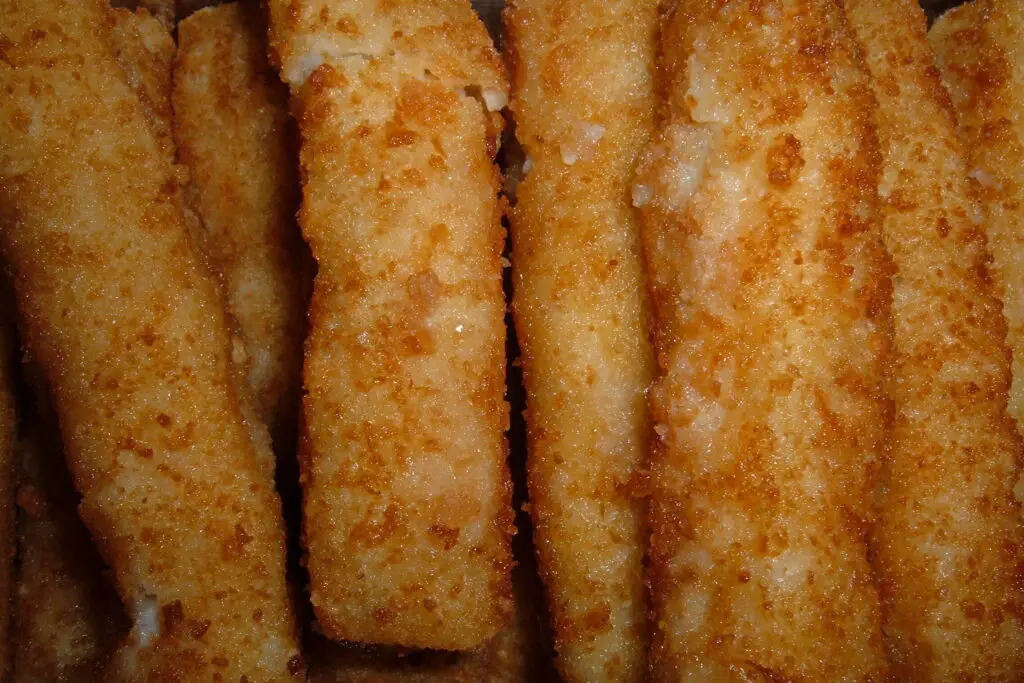
Parents swore these were healthy because, well, they technically contained fish. But those little rectangles were more breading than anything from the ocean. If you were lucky, you’d spot a thin layer of white fish hiding under all that crunchy coating. Kids loved dipping them in ketchup, which only added to the sugar bomb. The box always bragged about omega-3s, but most of that got lost in the fryer or oven.
They were a weeknight hero for parents who wanted something “nutritious” without much effort. All you had to do was scatter them on a pan and walk away. But once you learn how much sodium is packed into a single serving, it changes how you remember them. Still, they were crispy, fun, and easy to eat, which basically guaranteed they ended up in rotation. Whether healthy or not, most kids didn’t ask questions.
3. “Fruit” Snacks
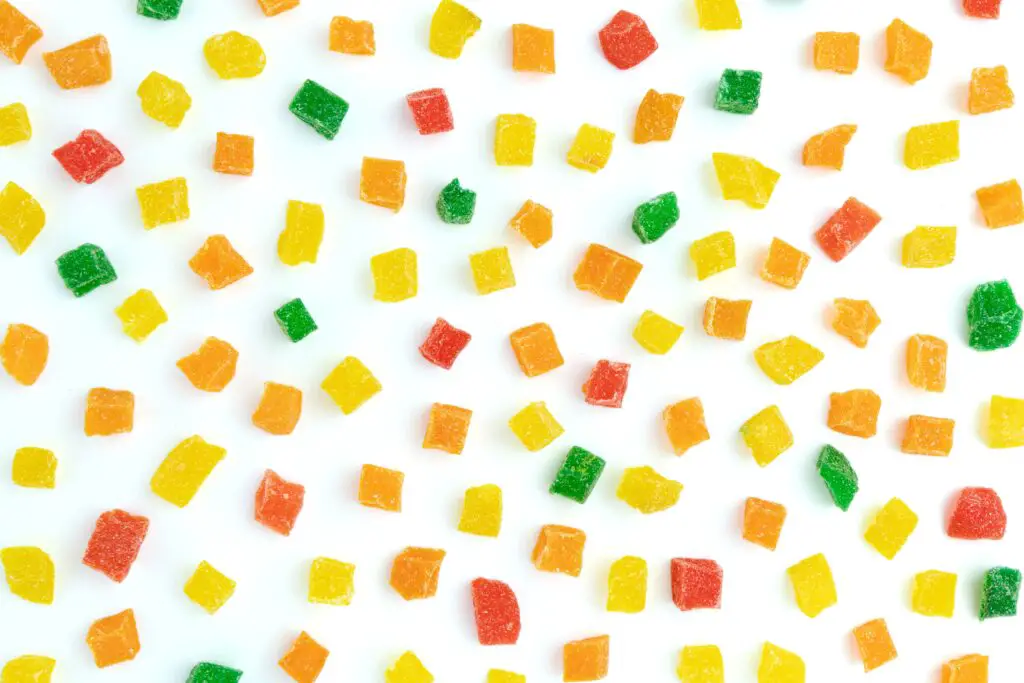
These were marketed like candy pretending to be produce. Parents tossed them in lunchboxes thinking they were a brilliant compromise. The packages always featured cartoon fruit smiling like they were hiding some nutritional secret. But if you flipped one over, it was mostly corn syrup and dyes. Kids didn’t care because the chewy texture was basically dessert disguised as a side dish.
Parents really leaned into the idea that these counted as a fruit serving. Some even rationed them like they were handing out apple slices. But most brands had barely any actual fruit in them, even if the box bragged about “real juice.” We begged for them anyway, especially the shapes tied to cartoons. And looking back, it’s amazing how easily we all bought into the “healthy” act.
4. Cereal with Marshmallows
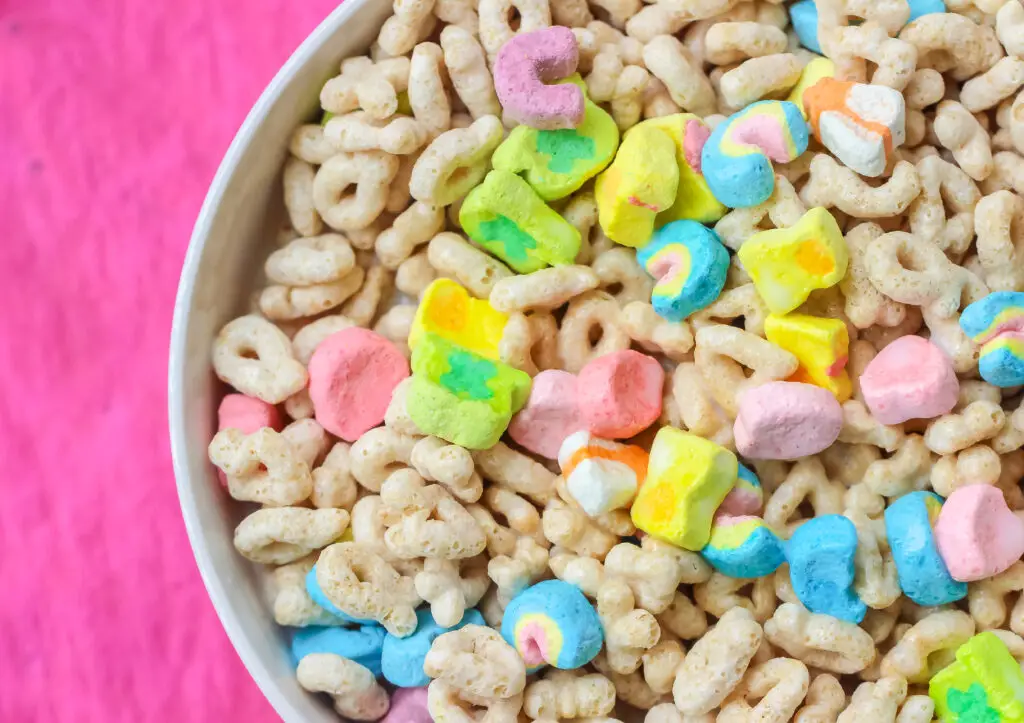
Nothing says “balanced breakfast” like a bowl full of sugar bombs floating in milk. But parents insisted these cereals had vitamins added, so it totally evened out. Kids would dig through the bowl just to fish out the marshmallows, leaving the plain pieces to soak. The commercials didn’t help, with mascots making it feel practically educational to eat them. And because it came with milk, some parents convinced themselves it was a well-rounded meal.
Growing up, this felt like the breakfast of champions. It was colorful, exciting, and gave you a morning sugar rush that had teachers regretting everything. But once you realize the first ingredient was usually sugar, it feels like a cosmic joke. Still, there’s something nostalgic about those tiny marshmallows that never quite softened. It’s a classic example of childhood logic beating actual nutrition.
5. Peanut Butter and Marshmallow Sandwiches

Some parents swore this was a protein-packed meal because of the peanut butter. But slathering marshmallow fluff on bread turns it into dessert more than lunch. Kids loved how sticky and sweet it was, even if it glued your mouth shut. It felt rebellious to eat something that sugary right in the middle of the day. And parents liked it because it was fast and didn’t require cooking.
These sandwiches were a sleepover favorite, especially when no one was monitoring the amount of fluff being used. Looking back, it was basically a sugar sandwich pretending to be wholesome. But the combination of creamy peanut butter and sweet fluff was addictive. Parents might not have realized how intense the sugar hit was. For kids, though, that was exactly the point. No one was thinking about health when the fluff jar came out.
6. Instant Mashed Potatoes

Somehow these were considered a vegetable side, even though they started as flakes in a box. Parents insisted they were “just like homemade” when you added butter and milk. Kids didn’t question it because the texture was smooth and comforting. But most versions had more additives than actual potatoes. It was one of those foods where convenience completely overshadowed nutrition.
These were the go-to for rushed dinners, especially when paired with something equally processed. Parents could whip them up in minutes, and that alone earned them a spot on the “healthy enough” list. But between the sodium and the preservatives, they weren’t exactly farm-fresh. Still, many of us remember them fondly because they were warm, creamy, and topped with way too much gravy. Nostalgia doesn’t always line up with truth.
7. Canned Fruit in Syrup
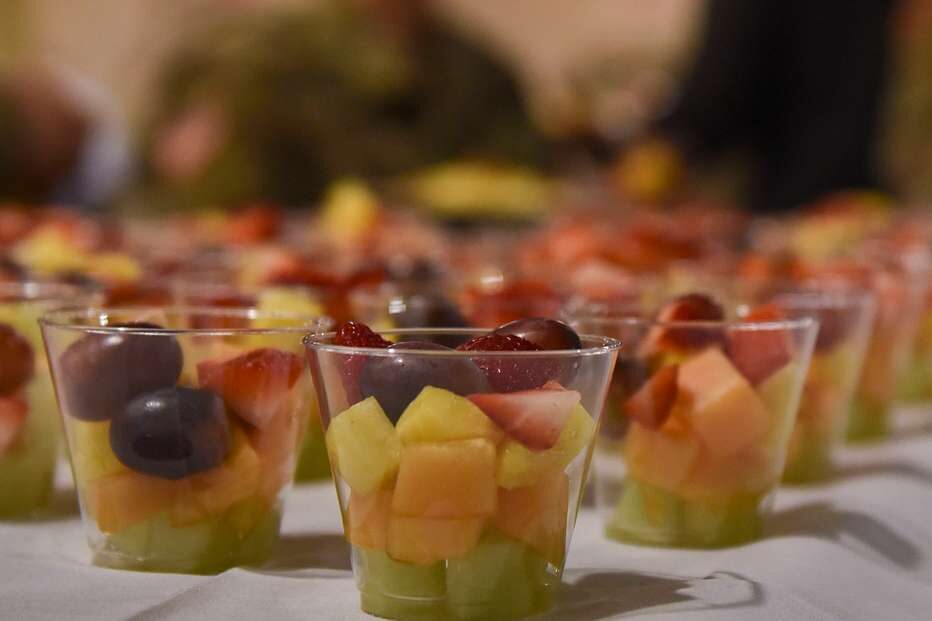
Parents loved serving fruit cocktail like it was nature’s dessert. But the heavy syrup was basically liquid candy. Kids loved digging for the neon cherries, which always tasted like they were soaked in dye. Meanwhile, moms insisted it was a great way to get fruit into picky eaters. The reality is that the syrup canceled out any nutritional value.
These cups were lunchbox staples because they required zero prep. But once you look back, it’s clear they were closer to candy cups than fruit servings. Some brands eventually added “in light syrup” labels, which didn’t change much. They were sweet, easy, and a shortcut to feeling like you were eating something wholesome. Childhood logic wins again.
8. Microwave Mac and Cheese Cups
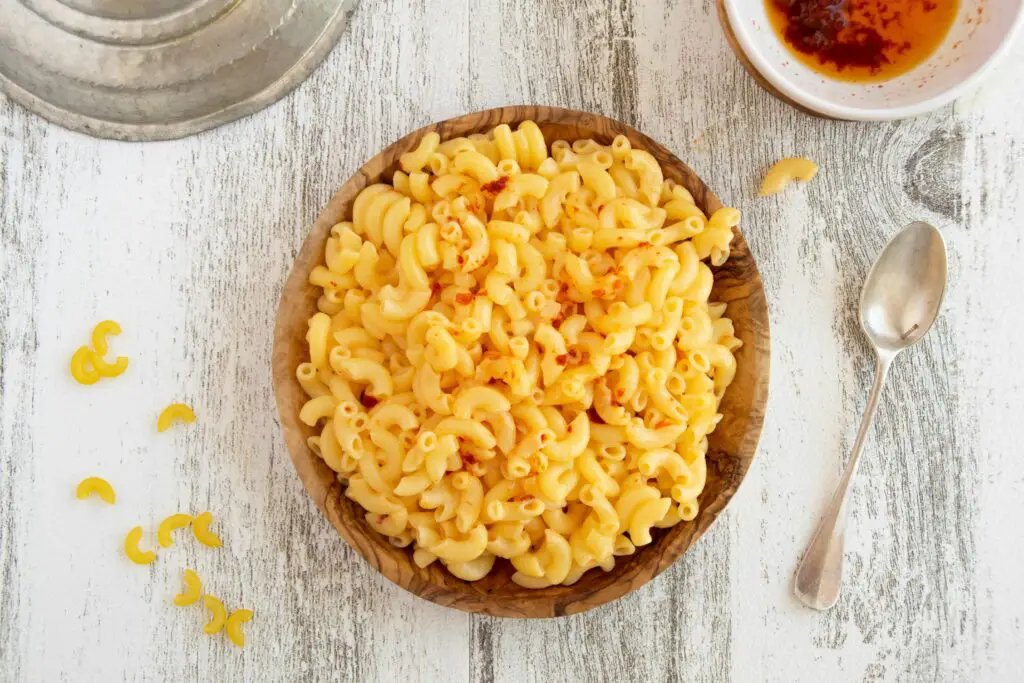
These felt like magic when you were a kid. Add water, microwave, and boom, dinner. Parents loved the portion size and the fact that it felt kid-friendly and manageable. But that powdered cheese was never anywhere close to real dairy. And while it tasted amazing, it was mostly salt and artificial flavoring.
These cups were a lifesaver during after-school hunger attacks. But as an adult, seeing the ingredient list makes you rethink everything. Kids didn’t care, of course, because the neon cheese color made it irresistible. Parents convinced themselves it was better than fast food, but nutritionally they were twins. Still, few things beat the novelty of making your own cup of mac and cheese.
9. Hot Dogs Wrapped in Crescent Rolls

Parents promoted these as a “fun protein option.” But they were really just salty hot dogs wrapped in buttery dough. Kids loved dunking them in ketchup or mustard, turning them into an event instead of a meal. And parents loved that they required almost no work. It was the definition of convenience food disguised as creative cooking.
Looking back, it’s wild these were ever framed as healthy. Hot dogs alone could run a marathon on sodium. Add dough and toppings and you’ve basically got a carnival snack. Still, they were delicious in their own chaotic way. And they always made dinner feel a little more exciting.
10. Chicken Nuggets from a Bag
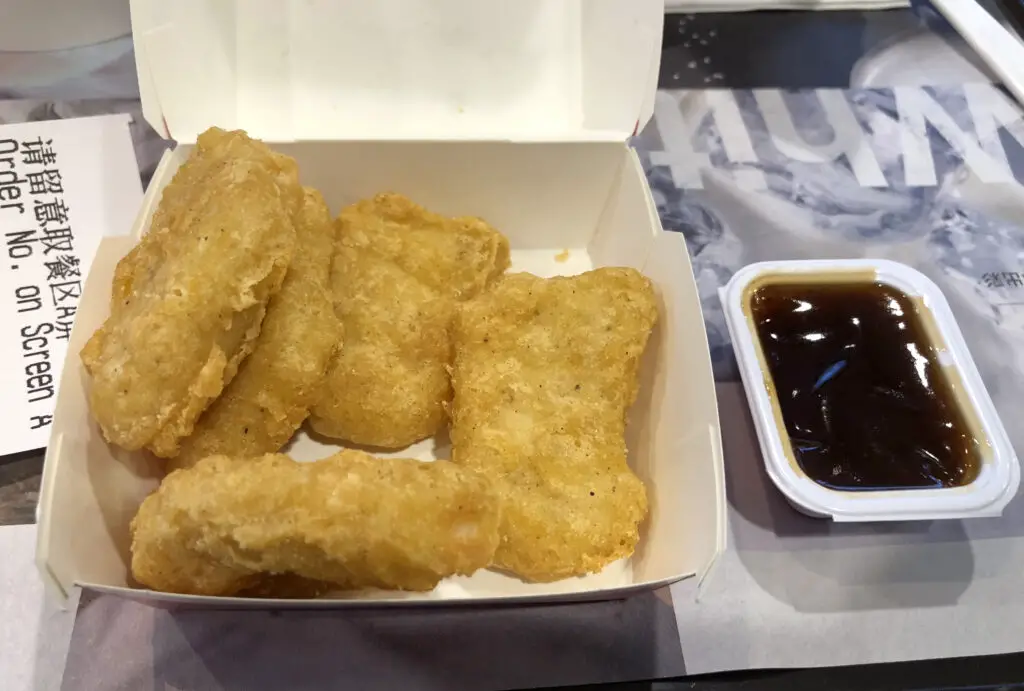
Parents swore these counted as real chicken. But most brands were filled with fillers and breading. Kids didn’t mind because they were crispy and perfect for dipping. Parents liked that they cooked fast and didn’t require knives, pans, or any real kitchen involvement. The idea that these were nutritious was optimistic at best.
They were the ultimate “kids’ meal” before that term even exploded in fast food. But reading labels now is a whole different experience. The ingredient lists often looked like a science experiment. Still, nuggets were one of those meals you always hoped would appear on the table. And health wasn’t exactly the selling point.
11. Bologna Sandwiches
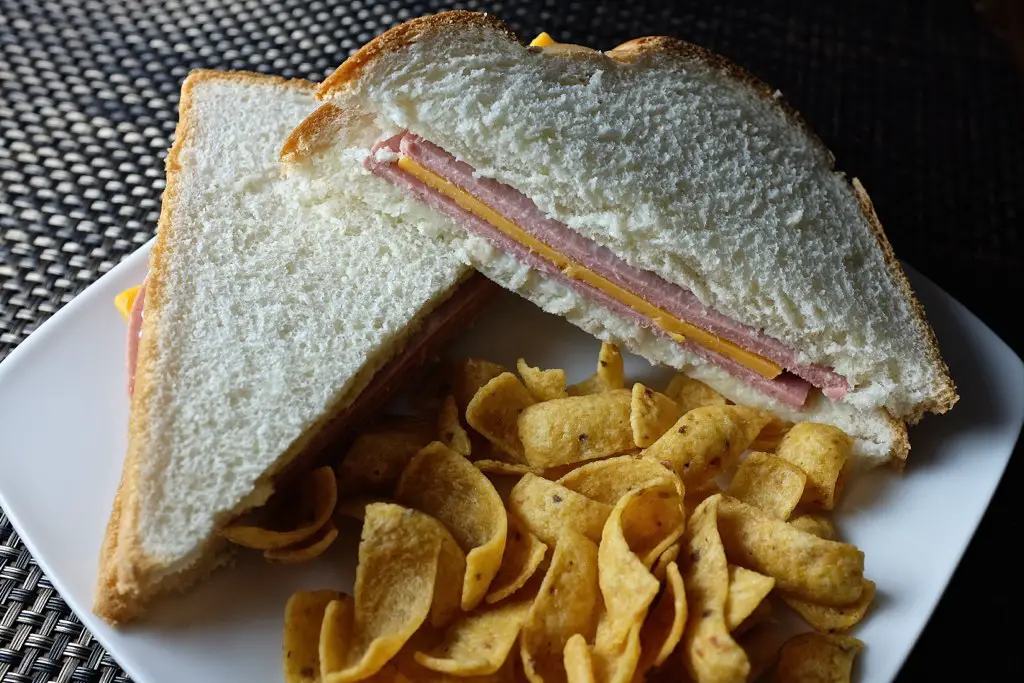
This was peak lunchbox nostalgia. Parents acted like bologna was a solid protein choice. But most bologna is heavily processed and packed with additives. Add a slice of American cheese and some white bread, and you had a sodium parade disguised as lunch. Kids loved it because it was simple and familiar.
Parents leaned on it because it didn’t spoil easily and was affordable. But nutritionally, it wasn’t doing kids many favors. Still, plenty of us remember peeling the edges off just out of habit. Whether healthy or not, bologna was a childhood classic that lived in many refrigerators. Convenience won every time.
12. Pizza Bagels
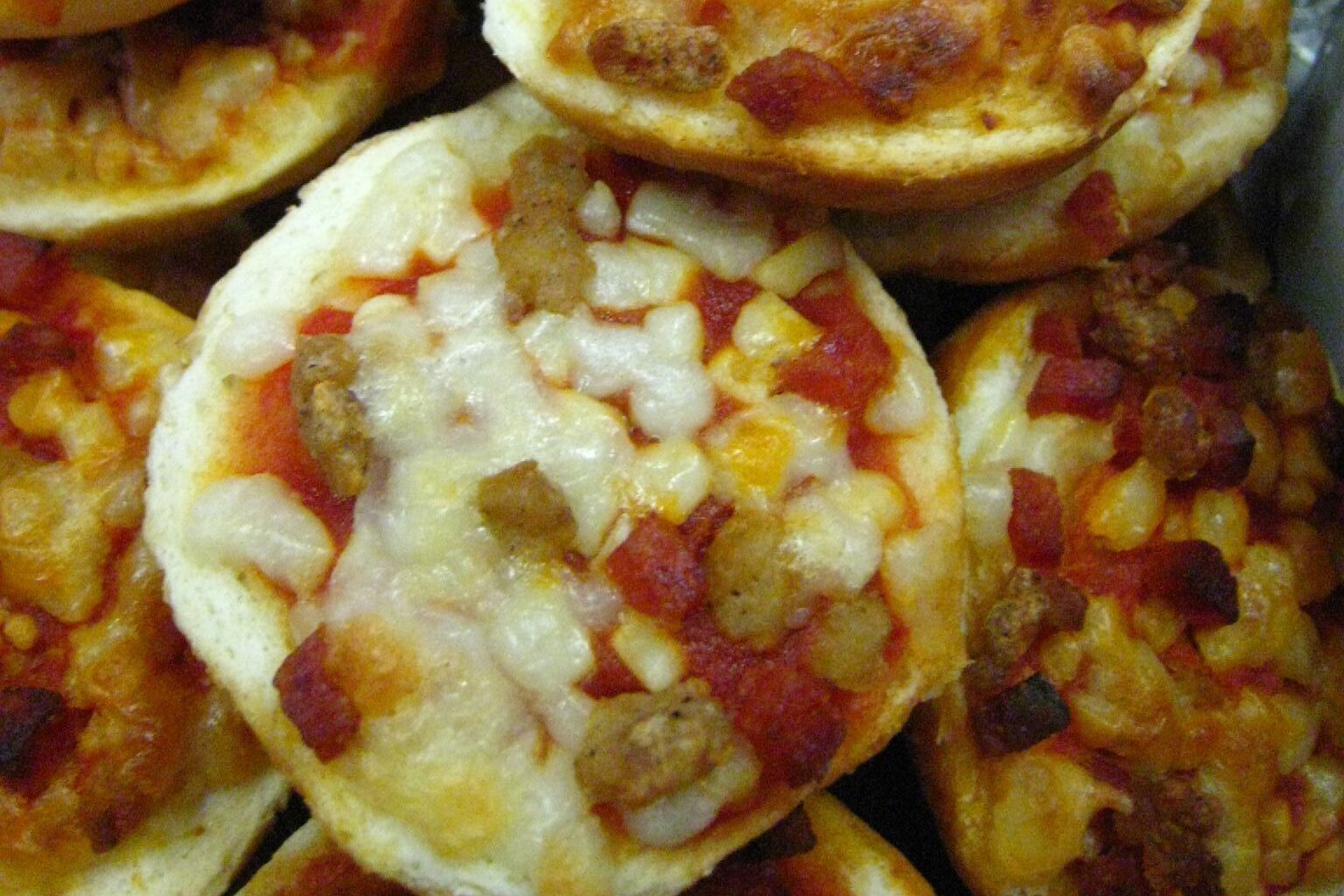
Parents truly believed these counted as wholesome because they contained bread, cheese, and “tomato.” But really, they were tiny pizzas disguised as something you could justify eating. Kids loved them because they were mini versions of a favorite food. And the smell alone could pull a whole family into the kitchen. The nutrition part, though, wasn’t fooling anyone who looked closely.
They became a staple for after-school snacks and rushed dinners. The combination of cheese, sauce, and bread was irresistible. But they were loaded with sodium and preservatives. Parents tried to convince themselves they were better than ordering pizza. Kids didn’t care either way, as long as they were warm and melty. Health was nowhere in the equation.
13. Corn Dogs

Parents sometimes packaged these as “a fun way to get meat into kids.” But they were deep-fried hot dogs on sticks, which doesn’t scream health. Kids adored them because eating anything off a stick feels like a party. And the sweet cornbread coating made them even more irresistible. Still, they were far from nutritious.
These often popped up at school lunches or quick dinners. Parents liked the simplicity, just heat and serve. But the sodium and fat content made them more of a treat than a meal. Nostalgia makes them seem harmless now, but the labels tell a different story. Still, many of us would happily grab one for old time’s sake.
14. Iceberg Lettuce Salads with Ranch
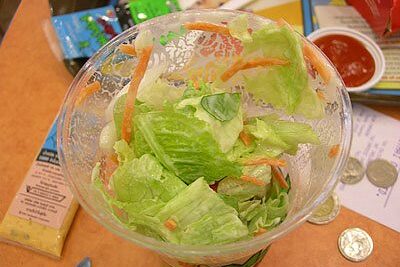
Parents felt very proud serving salads, even if those salads were mostly water. Iceberg lettuce doesn’t bring much to the table nutritionally. And drenching it in ranch turned it into a calorie bomb. Kids loved the crunch but not much else. It was the kind of salad that made you think you were eating healthy, even when you weren’t.
Parents leaned on this as their go-to side dish for almost any dinner. Add croutons, maybe a tomato slice, and it felt legit. But most kids were there for the dressing and croutons anyway. Looking back, it’s funny how often this was framed as a solid choice. It was comforting but not exactly health forward.
15. Frozen Waffles with Syrup
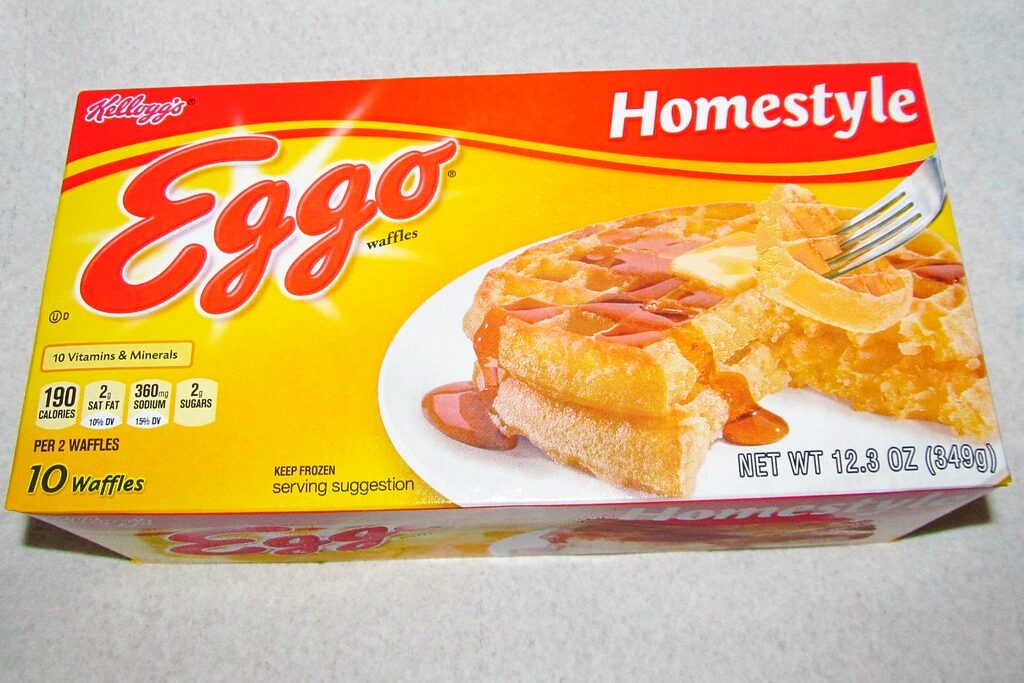
Parents would stack these and call it breakfast, insisting they were fortified with vitamins. But once you cover them in syrup and butter, any nutritional promise disappears. Kids loved how quick they were to make, especially with a toaster involved. And the crispy edges felt like a treat even on a school morning. The convenience masked just how sugary the whole meal was.
These waffles became a weekday staple in many homes. Parents liked not having to juggle pans before work. But the sugar crash that followed was something teachers probably noticed. Still, the smell of toaster waffles is a core childhood memory for many of us. Healthy or not, they had a permanent place in the breakfast lineup.