
1. The Myth that Swallowed Gum Stays in Your Stomach for Seven Years

People used to swear that if you accidentally swallowed gum, it would sit in your stomach for seven full years. Kids heard this from parents, teachers, and even camp counselors, usually right after blowing a bubble the size of their face. The idea came from the fact that gum is hard to digest, so people assumed it just lingered in there forever. In reality, your body moves it along like everything else, even if it takes a little longer.
The myth stuck around because it was such an easy way to scare kids into spitting gum into the trash instead of onto the sidewalk. Even today, you’ll hear someone repeat it as if it were a medical fact. Doctors have been debunking it for ages, though, explaining that swallowed gum is not a big emergency. It will not glue itself to your insides and does not turn into some kind of sticky stomach souvenir.
2. The Myth that Carrots Give You Superhuman Night Vision

For years, people believed that eating tons of carrots would practically turn you into a superhero who could see in the dark. This one actually started during World War II when British intelligence used the story to explain away why their pilots were hitting so many targets at night. In truth, the military was hiding the development of radar technology, and carrots made the perfect distraction. The myth took off because parents loved having a healthy veggie to encourage.
Carrots do contain vitamin A, which helps with overall eye health, so there is a little truth behind it. But no amount of carrot snacking is going to let you read a book in a pitch black room. Still, the story lives on in school cafeterias and family dinner tables. It remains one of the most charming food myths that people once believed without question.
3. The Myth that Pop Rocks and Soda Could Make Your Stomach Explode
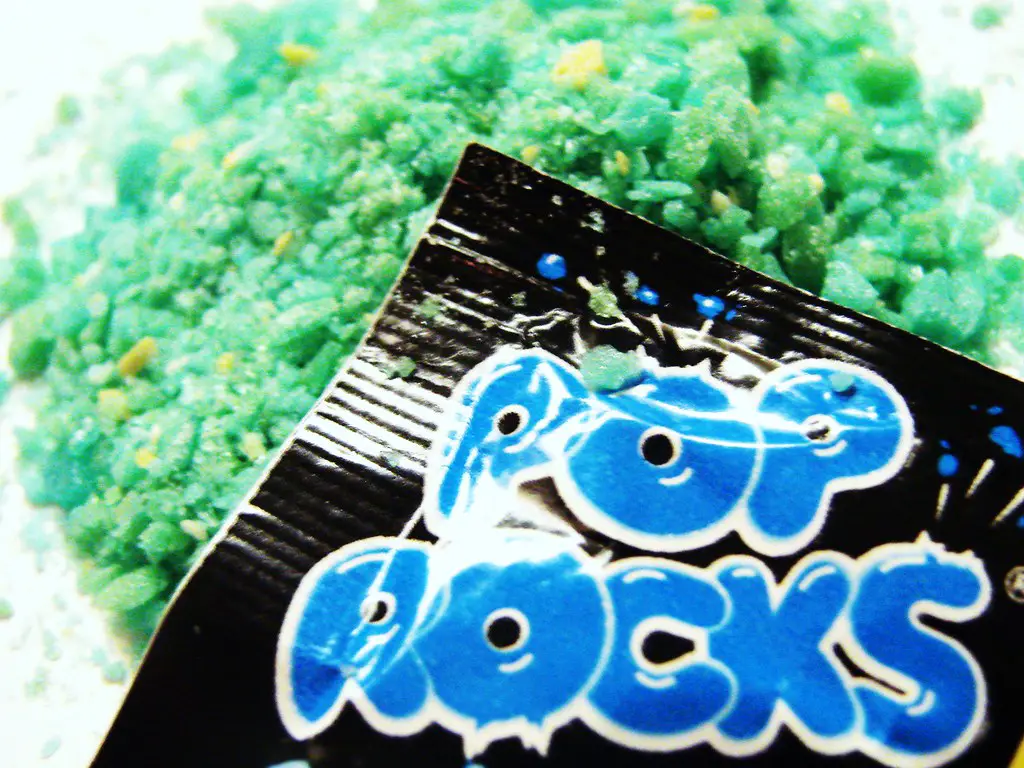
This was the rumor that freaked out an entire generation of kids. People whispered that eating Pop Rocks and washing them down with soda would cause a chemical reaction so intense your stomach would burst. The story spread so far that the company behind Pop Rocks had to launch a massive campaign to calm parents down. Kids still tried it just to prove they were brave, even if they secretly worried the rumor might be true.
The myth grew because the candy really does crackle and fizz in your mouth, which made it easy to imagine something dramatic happening inside your stomach. Scientists eventually explained that the carbonation and gas release were harmless. There were no reported explosions and no visits to the emergency room caused by the combo. It was just one of those classic playground myths that refused to die.
4. The Myth that Tomatoes Were Poisonous

Back in the colonial era, many people feared tomatoes because they thought the fruit was dangerous to eat. This belief came from the fact that wealthy Europeans ate off pewter plates that contained lead. When the acidity of tomatoes mixed with the metal, it caused lead poisoning, and people blamed the poor tomato. For decades, the fruit had an unfair reputation as something that would make you gravely ill.
Eventually, improved cookware and better understanding of food science helped tomatoes shed their bad image. Immigrants who used tomatoes heavily in their cooking also helped normalize them. By the time pizza and pasta dinners became popular, the myth was pretty much gone. It is hard to imagine anyone ever being afraid of a tomato today, but the fear was once very real.
5. The Myth that Coffee Stunts Your Growth

Generations of kids were told to stay away from coffee because it would keep them tiny forever. The myth grew out of concerns about caffeine and bone health, even though studies never backed it up. Parents often repeated it because they did not want kids wired on caffeine before school. As a result, sipping a cup of coffee felt like breaking a major rule.
Experts have since confirmed there is no link between coffee and stunted growth. It might make you jittery or keep you awake, but it will not affect your height. The myth still pops up from time to time, usually from someone remembering what their grandparents told them. It remains one of those oddly persistent pieces of “advice” that people believed for years.
6. The Myth that Turkey Makes You Extra Sleepy

People love to blame turkey for that groggy feeling after Thanksgiving dinner. The myth came from the fact that turkey contains tryptophan, an amino acid associated with relaxation. What people forgot is that plenty of other foods contain just as much, and sometimes more. The real culprit is usually the huge meal, the carbs, and the hours of grazing.
Tryptophan alone cannot knock you out the way people imagined. Scientists have pointed this out for years, but the myth survived because it made such a good holiday joke. Families still tease each other about needing a nap after a turkey sandwich. Even if it is not true, the tradition of blaming the bird is not going anywhere.
7. The Myth that MSG Causes Headaches and Worse

For years, people were convinced that MSG, especially in Chinese food, caused headaches, dizziness, and even more dramatic symptoms. The myth started in the 1960s when a letter to a medical journal described a strange reaction after eating at a restaurant. The term “Chinese Restaurant Syndrome” took off quickly, even without scientific backing. It spread partly because MSG sounded unfamiliar and therefore suspicious.
Study after study has shown that MSG is safe for most people. It is simply a flavor enhancer that occurs naturally in many foods. The myth had lasting effects, though, and some restaurants even avoided using the ingredient to ease customer fears. Today, food scientists continue to reassure people that MSG is not the villain it was once made out to be.
8. The Myth that Brown Eggs Are Healthier than White Eggs

For a long time, people believed brown eggs were more nutritious, fresher, or somehow more natural than white eggs. This came from the idea that the richer color must mean better quality. What most people did not know is that shell color simply comes from the breed of the chicken. There is no major nutritional difference between the two.
Brown eggs were sometimes more expensive, which only reinforced the idea that they were superior. Farmers priced them differently because the hens laying them often required more feed. Now that people understand the science behind it, the myth has lost some power. Still, you might hear someone confidently claim brown is better, even though it is not.
9. The Myth that Milk Cures Spicy Food

Many people once believed that drinking milk was the only way to extinguish a fiery mouth after eating spicy food. While milk can help, the myth suggested it was the magic cure for all spice disasters. People swore that nothing else worked, not even water or bread. In reality, the relief depends on the type of spice and how your body reacts.
The fat in dairy can soothe certain types of chili heat, but it is not always instant or perfect. Some people find that sugar, rice, or yogurt works better. Others need time for the burning to fade naturally. The myth stuck around because it felt like such a simple, comforting solution.
10. The Myth that Watermelon Seeds Could Grow Inside Your Stomach
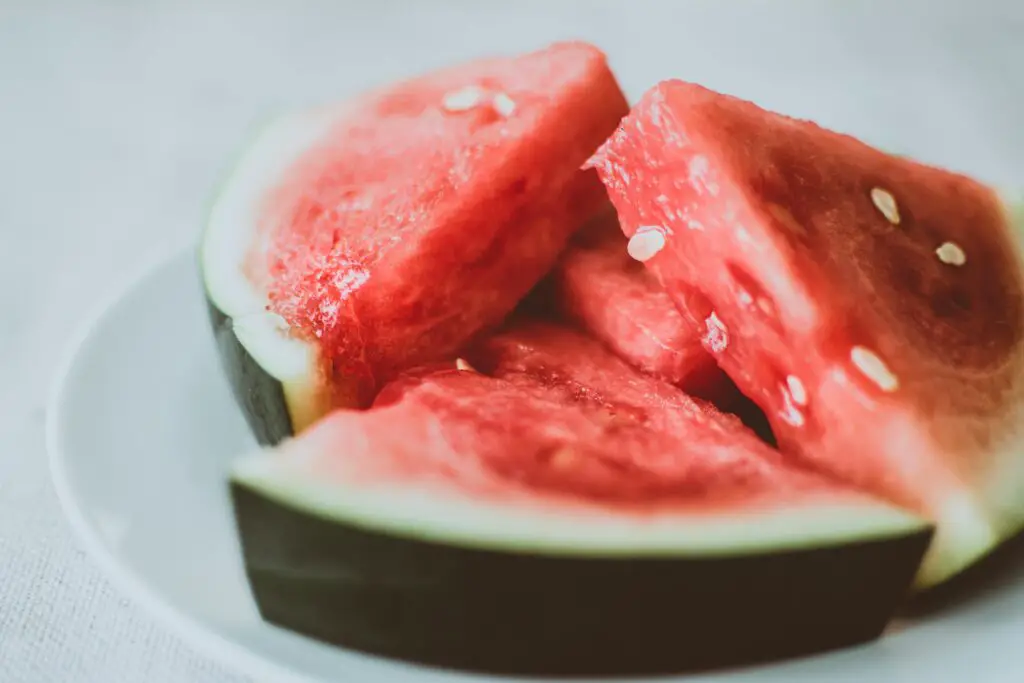
This one terrified kids everywhere. The rumor claimed that if you swallowed a watermelon seed, it would sprout in your stomach and eventually grow into a full plant. It made watermelon season feel a little more stressful than it needed to be. Parents sometimes repeated it playfully, not realizing how seriously kids took it.
Science, of course, says this is impossible. Your stomach is not exactly a friendly environment for gardening. The acidic conditions would destroy any seed before it could even think about sprouting. Still, the myth was so widespread that many adults remember being genuinely worried about it. It remains one of the most memorable food myths of childhood.
11. The Myth that Spicy Food Causes Ulcers

For years, people believed that spicy food could burn tiny holes in your stomach. Doctors warned patients to avoid spicy dishes if they had digestion issues. The idea made sense to many people because spicy foods can cause temporary discomfort. What no one knew for decades was that most ulcers actually came from bacteria or certain medications.
When scientists discovered the true cause, the myth began to collapse. People with ulcers were relieved to learn they did not have to give up their favorite flavorful meals. Spicy food can still irritate symptoms for some, but it does not create ulcers. It was another case of a simple assumption taking hold before science caught up.
12. The Myth that Sugar Makes Kids Hyper

Parents everywhere once blamed sugar for every burst of kid energy at birthday parties. The belief was so strong that people skipped sugary treats before bedtime or school, convinced it would lead to chaos. Researchers eventually studied the idea and found no consistent link between sugar and hyperactivity. Kids were excited because of the environment, not the ingredients.
The myth persisted because parents often noticed energetic behavior right after sweets were served. It felt logical, even if the science disagreed. Today, experts remind people that sugar has plenty of downsides, but turning kids into whirlwinds is not one of them. It is one of the most enduring food myths simply because it was so easy to believe.