
1. All in the Family — “Edith’s 50th Birthday”
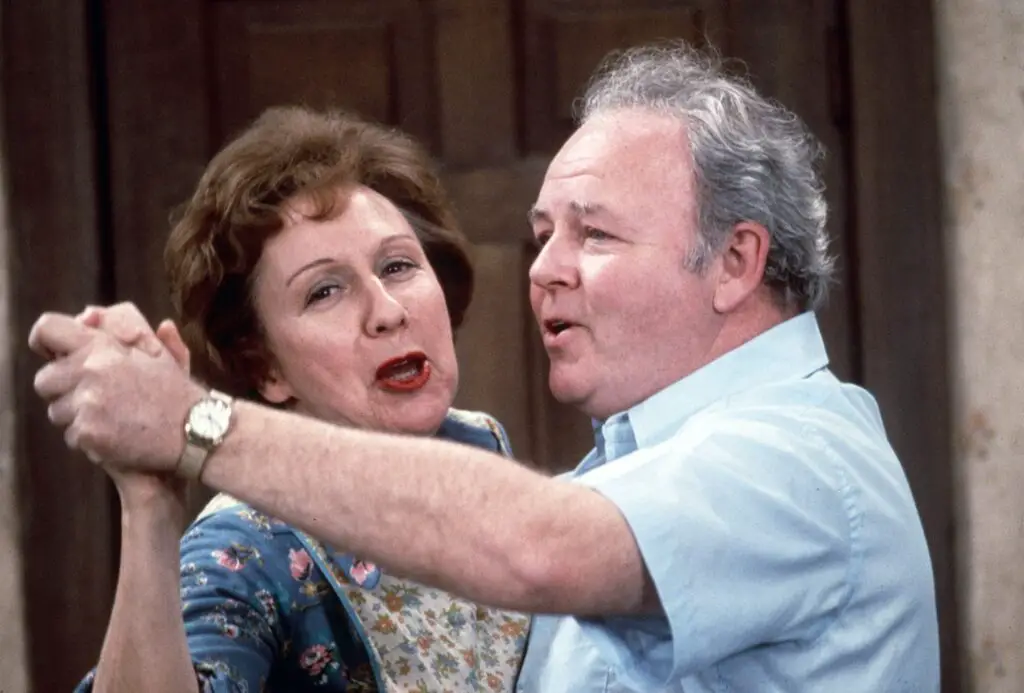
This landmark episode broke barriers by tackling sexual assault in a medium that usually steered far from anything so serious. Edith’s terrifying encounter with a man posing as a police officer shook viewers because it felt so real and unexpected. The show didn’t play anything for laughs, letting the fear and confusion unfold naturally. Seeing a beloved character face trauma forced audiences to confront how quickly danger can appear in an everyday situation. The writing never sensationalizes the topic, instead showing Edith’s emotions with compassion. Archie, usually blustery, struggles to process what happened, which adds another layer of honesty. It was one of the earliest times a sitcom dealt with this issue so directly. Many viewers still consider it one of the most powerful moments in television history.
The aftermath of the incident is handled with surprising sensitivity for a sitcom of its era. Edith’s reactions feel small and human, and her family’s attempts to help her show how loved ones often feel helpless after trauma. The episode gives her space to process rather than rushing to a neat solution. It wisely acknowledges that recovery is not instant or easy. That kind of emotional nuance was rare at the time, especially in primetime comedy. The story left a deep impression on viewers who had never seen something like this before. It showed that sitcoms could be more than comfort TV, they could spark necessary conversations. Decades later, its impact still resonates.
2. Good Times — “The Big Move: Part 2”
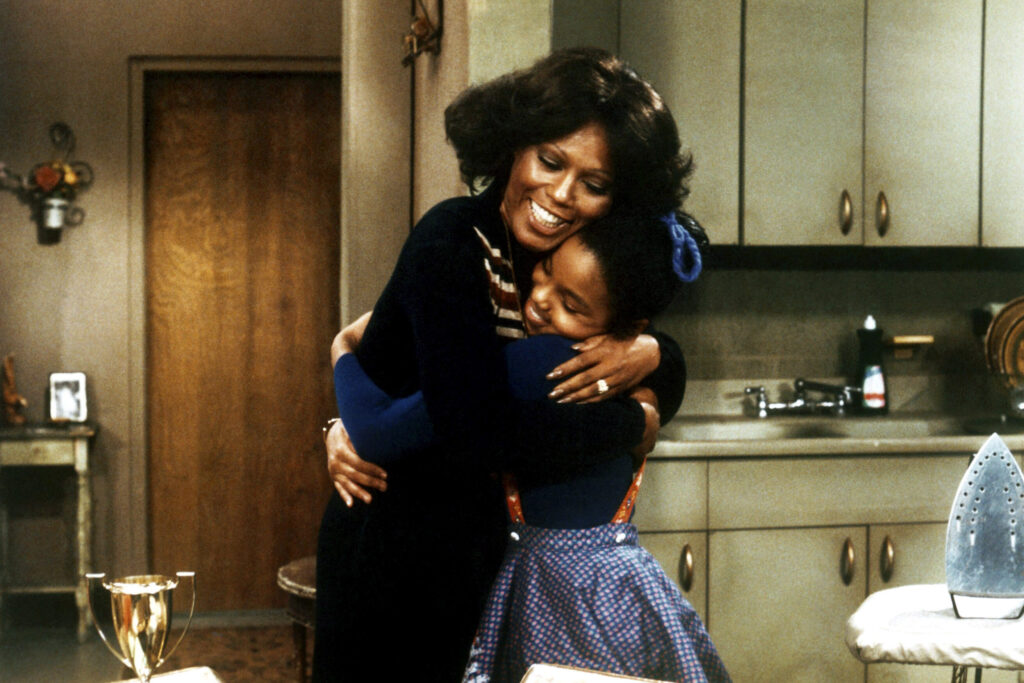
This episode tackles the crushing cycle of poverty with honesty that was unusual for sitcoms. The Evans family prepares excitedly to move into a better home, only to have their hopes dashed when things fall apart. The disappointment is heartbreaking because the family has been working toward this moment for so long. Instead of brushing it off as a simple setback, the show leans into the emotional weight of the situation. Florida and James try to stay positive, but their exhaustion is obvious. It’s a reminder of how hard families have to fight for even small progress. The realism struck a chord with viewers who saw their own struggles reflected back at them. It quickly became one of the most relatable episodes for many fans.
The episode also highlights how systemic barriers create uphill battles that aren’t easily overcome. The emotional roller coaster the family experiences is painfully familiar to anyone who grew up in similar circumstances. Their resilience is inspiring, but the reality of their situation is never sugarcoated. The writing treats their disappointment with respect and empathy. While the storyline is tough, the Evans family’s unity brings warmth. That balance is what made the show stand out during its run. It offered representation that viewers weren’t getting anywhere else. The message still feels relevant today.
3. The Mary Tyler Moore Show — “The Good-Time News”
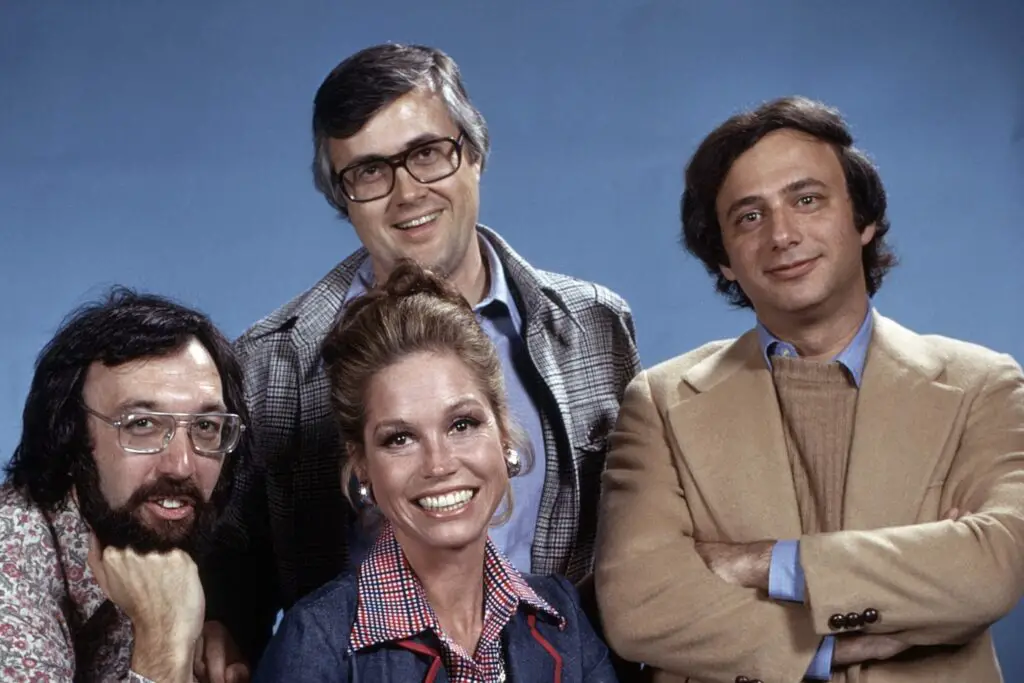
This episode boldly takes on workplace sexism when Mary learns that she earns significantly less than the man she replaced. Her shock is subtle but powerful, especially because she’s someone who always tries to stay optimistic. The conversation she has with Lou Grant about fair pay is uncomfortable and honest, which makes it even more impactful. The show never mocks Mary’s frustration or downplays the seriousness of the issue. Instead, it highlights how common this imbalance was for women in professional spaces. The writing gently exposes the bias that often goes unnoticed. The storyline helped shape broader conversations about equity. Audiences immediately recognized how relatable Mary’s situation felt.
The episode balances humor with authenticity, allowing Mary’s dignity to stay intact throughout her struggle. Lou isn’t portrayed as a villain, just a man shaped by outdated assumptions. That nuanced approach made the topic more accessible to mainstream audiences. Women wrote in saying the episode mirrored experiences they had dealt with for years. The way Mary stands up for herself—even quietly—became a meaningful moment for viewers. It showed that sitcoms could use their platform to shed light on real workplace issues. The episode’s relevance has only grown over time. It remains one of Mary Richards’ most iconic storylines.
4. Diff’rent Strokes — “The Bicycle Man”
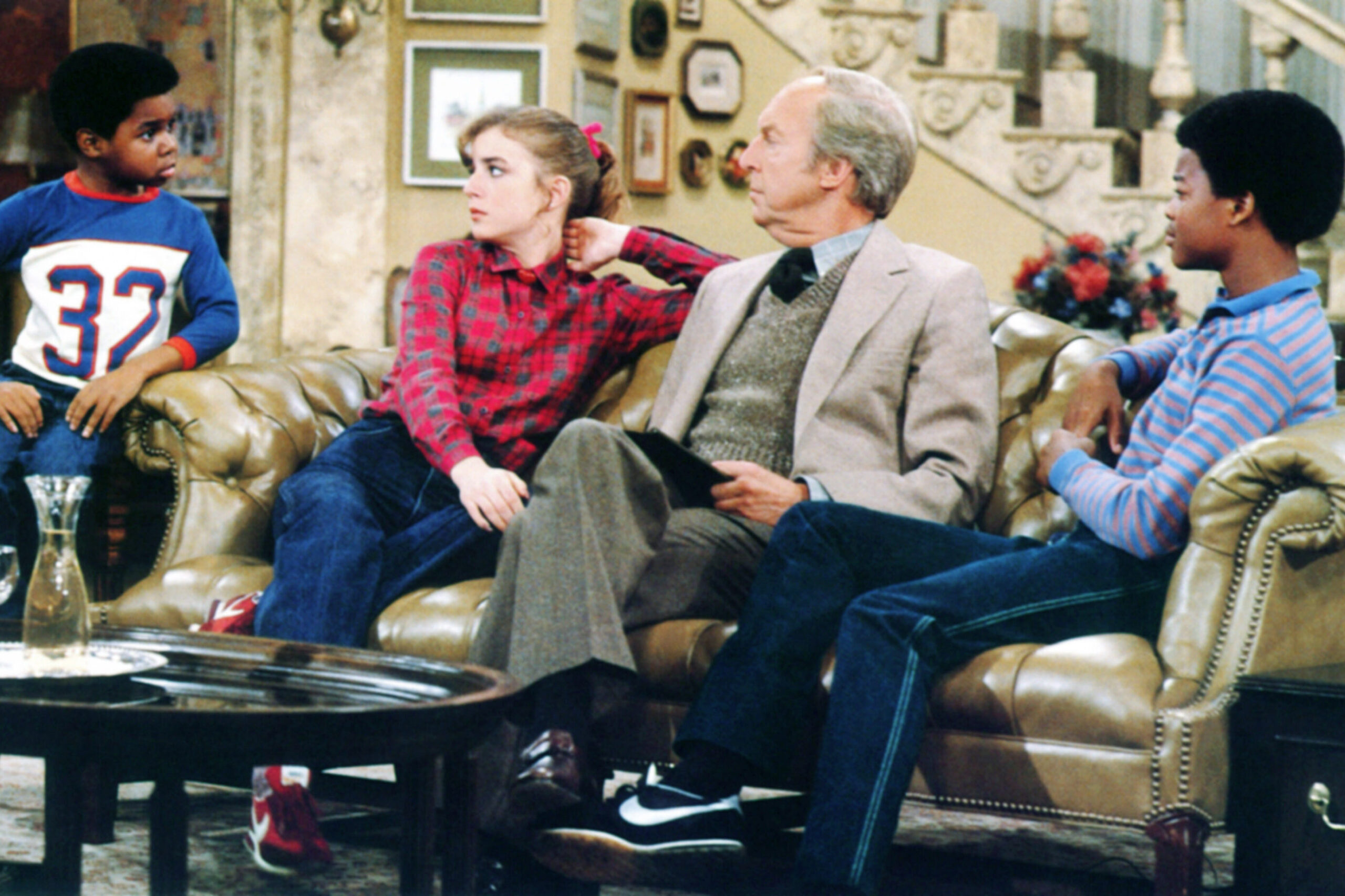
This two-part episode bravely addresses child grooming, a subject few shows dared touch. Arnold and Dudley’s interactions with a seemingly friendly shop owner take a disturbing turn, and the tone shifts with remarkable care. The writers avoid sensationalism, focusing instead on warning signs and boundaries. The situation feels uncomfortably realistic, which is exactly why it worked as a teaching moment. Parents praised the show for offering a clear and age-appropriate message. The tension builds carefully without exploiting the kids’ fear. The actors handle the material with surprising emotional depth. It became one of the most talked-about episodes of its time.
The impact came from the show’s willingness to sit with the discomfort rather than rushing past it. Arnold’s confusion, Dudley’s fear, and the adults’ reactions all feel genuinely grounded. Viewers saw how easily children could be manipulated by someone who seemed trustworthy. It reminded families to have tougher conversations at home. The writers treated the boys with respect, never making them the butt of the joke. That sensitivity is what made the episode effective. Even today, educators reference it when talking about early media addressing the issue. It remains a defining “very special episode” for the series.
5. Family Ties — “A, My Name Is Alex”

This emotional episode explores grief through Alex’s struggle to cope with a friend’s sudden death. The writers take a creative approach by using therapy-style conversations that peel back Alex’s layers of guilt. Michael J. Fox delivers one of his most moving performances, grounding the story in vulnerability. The episode highlights how grief can create confusion, denial, and anger. It also shows how young adults often mask their pain behind logic or ambition. The mix of flashbacks and monologues makes the story feel intimate. It resonated with viewers who had experienced similar losses. Many still regard it as one of the series’ best episodes.
The show treats mental health with empathy, which was rare at the time. Alex’s emotional journey feels slow and authentic, reflecting real stages of grief. The conversations he has about regret and responsibility are honest in a way sitcoms usually avoided. His family’s concern is heartfelt without being pushy. That balance helped normalize seeking help during difficult seasons. The episode never minimizes his pain, instead giving him a safe space to unravel. Its quiet moments are some of the most powerful. It helped open doors for future shows to explore emotional wellness.
6. The Golden Girls — “72 Hours”
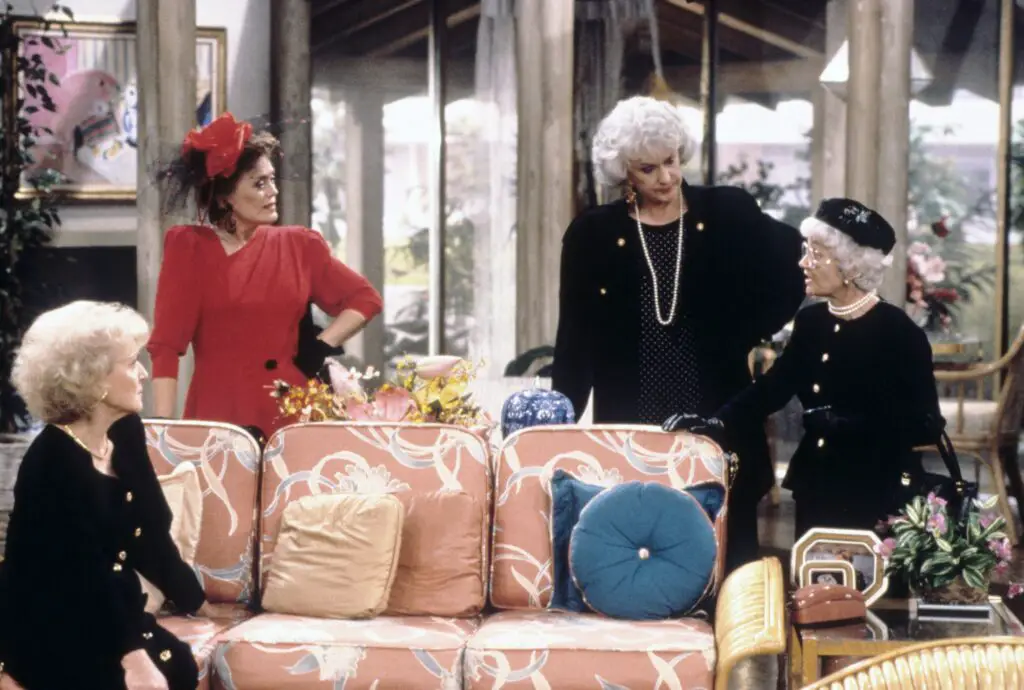
In this episode, Rose learns she may have been exposed to HIV through a blood transfusion, and the fear that follows is heartbreaking. Blanche’s reaction initially includes ignorance and discomfort, which mirrors common attitudes of the time. Dorothy steps in with her signature blend of strength and clarity, helping the women understand the facts. The seriousness of the situation is handled with compassion rather than panic. The script debunks myths that were rampant when the episode aired. Rose’s vulnerability makes the story even more impactful. Fans praised the show for its educational approach. It became a standout moment in the series.
What makes the episode unforgettable is the way it explores fear without letting stigma win. Rose’s trembling uncertainty feels incredibly human. Blanche eventually acknowledges her own misconceptions, which allows for meaningful growth. The group’s loyalty to Rose never wavers, and that solidarity offers viewers a model for empathy. The writing is sensitive without losing the show’s warmth. It encourages honest conversations about health, trust, and compassion. For many viewers, it was the first time they’d heard HIV discussed without judgment. The episode remains a testament to the show’s bravery.
7. Maude — “Maude’s Dilemma”
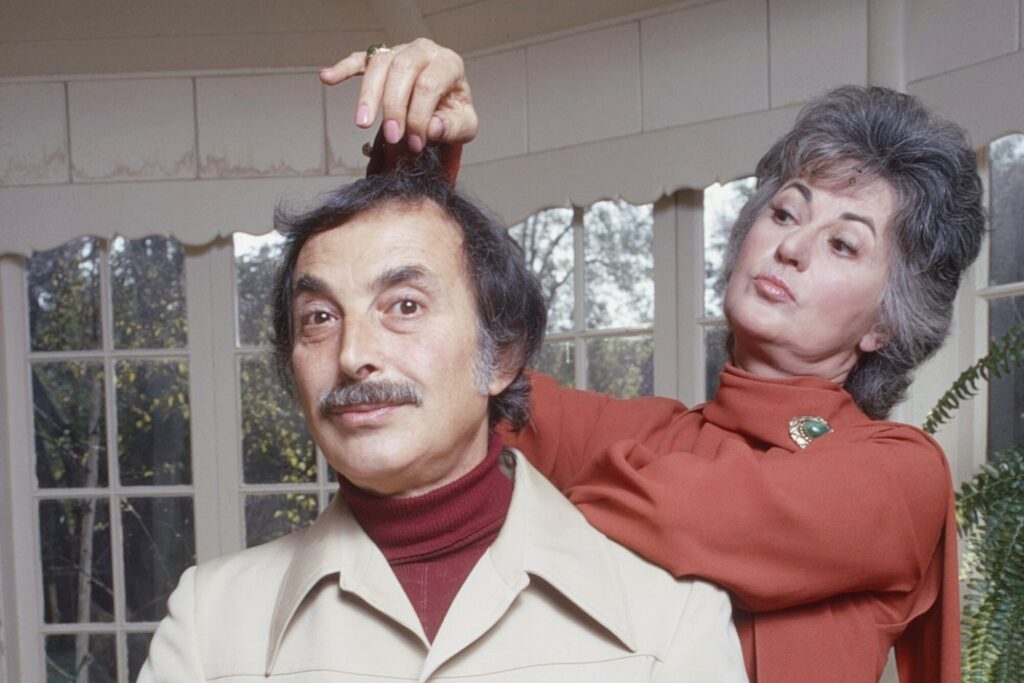
This groundbreaking two-part episode deals with Maude’s unexpected pregnancy at a point in her life when she thought those years were behind her. The show handles her decision with honesty, reflecting the real conversations happening in American households. The emotions between Maude and Walter feel complicated and sincere. The writing doesn’t turn the situation into a political moment, instead presenting it as deeply personal. The characters talk through fear, love, and personal beliefs in a way that feels genuine. Viewers praised the episode for its maturity. It was a moment of television history that sparked national dialogue. Its boldness still stands out.
The episode also gave audiences rare insight into a woman’s inner conflict. Maude’s hesitation and introspection feel remarkably grounded. Walter’s support, along with his uncertainty, adds another layer of realism. The show makes it clear that decisions like this are never simple. It was rare for a sitcom to trust its audience with such nuance. Fans appreciated that the episode didn’t offer easy answers. Instead, it allowed space for sympathy and introspection. It became a defining moment for Bea Arthur’s character and the series as a whole.
8. Roseanne — “A Stash from the Past”
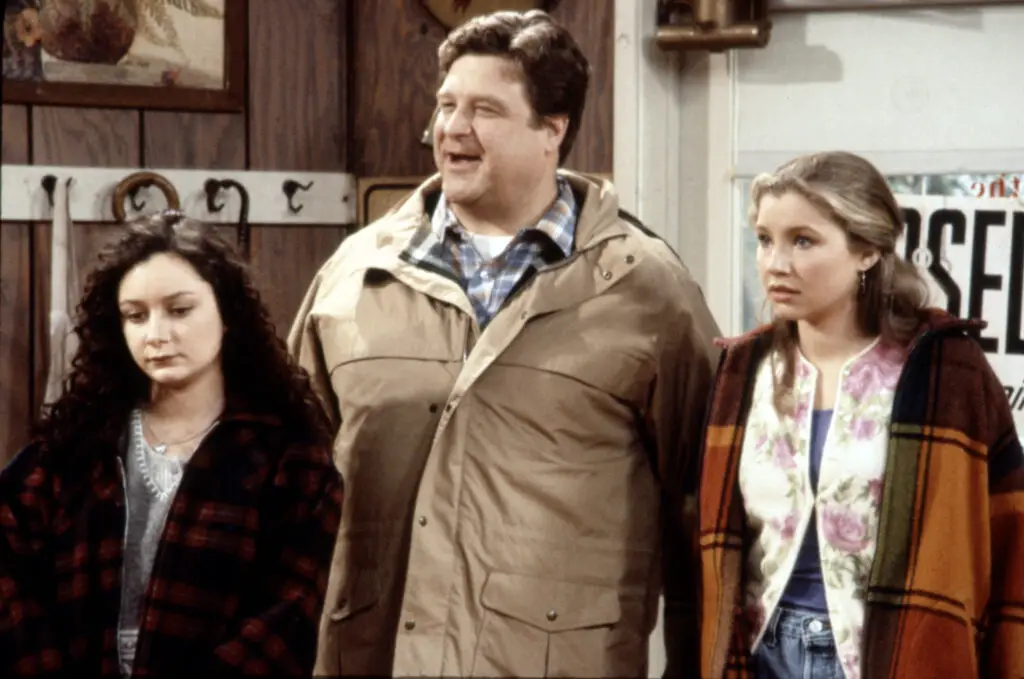
This episode dives into complicated conversations about honesty and parenting after Roseanne and Dan discover an old bag of marijuana. Their debate about whether to tell the kids quickly becomes a broader conversation about accountability. The writing allows both parents to express their perspectives without judgment. The situation feels familiar to many families navigating tough topics. Roseanne’s humor keeps the story from feeling heavy, while Dan’s seriousness adds balance. The episode acknowledges how confusing these conversations can be. It also reflects how parents try to evolve with their kids. It became one of the show’s standout “real life” moments.
The episode works because it doesn’t take an overly moralistic approach. Instead, it shows how families can talk honestly without shaming each other. Roseanne and Dan admit their own mistakes, which makes the message more relatable. The kids’ reactions add levity to a complicated subject. The writers keep the tone grounded, letting the family’s love guide the conversation. It helped many households start similar discussions. That relatability cemented its place among the show’s most memorable episodes. It’s still referenced today for its authenticity.
9. Fresh Prince of Bel-Air — “Papa’s Got a Brand New Excuse”
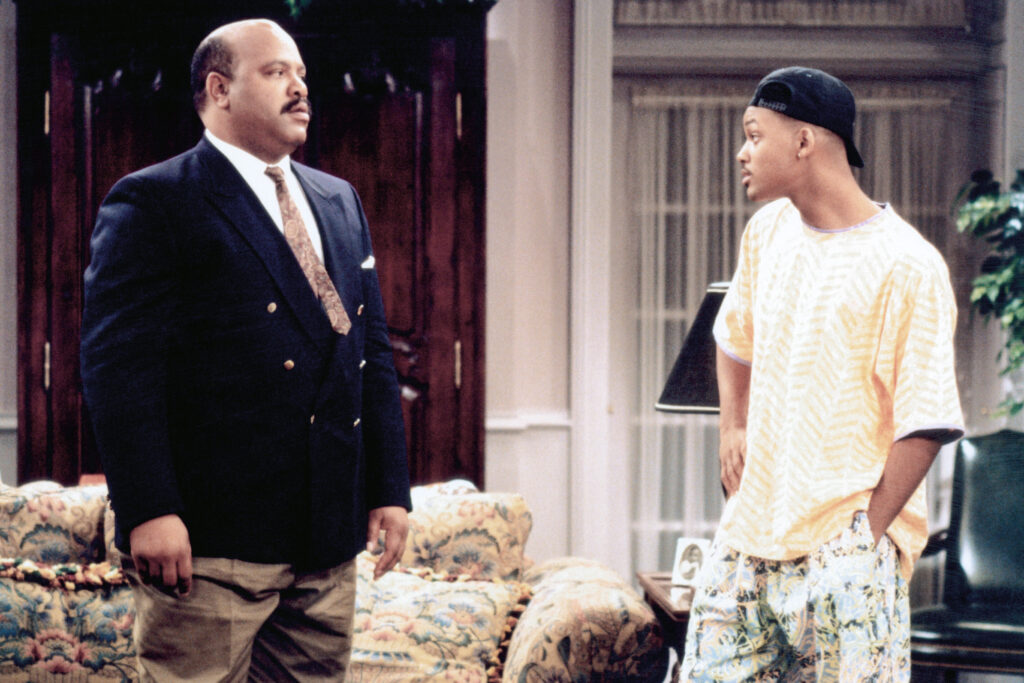
This emotional episode centers on Will’s reunion with his father after years of abandonment. The excitement he feels slowly turns into heartbreak when his father leaves again. The moment Will breaks down is considered one of the most authentic performances in sitcom history. His hurt exposes how deeply parental absence can shape a person. Uncle Phil’s quiet support is powerful and steady, reinforcing their bond. The episode shows how abandonment leaves scars that don’t easily fade. Viewers connected with the rawness of the moment. It remains one of the most iconic episodes of the series.
The writers let the silence and vulnerability do much of the work. Will’s mask slips away as he confronts years of pent-up pain. Uncle Phil’s embrace offers a kind of healing that feels earned. Many fans saw their own stories reflected in Will’s anguish. The storyline also challenged stereotypes about Black fatherhood and emotional expression. It encouraged open conversations about family trauma. The honesty of the scene helped it stand the test of time. It’s still frequently cited as a defining moment in ’90s television.
10. Growing Pains — “Second Chance”

This episode addresses the dangers of drunk driving after Carol’s friend Sandy gets into a serious car accident. The show leans into the emotional aftermath rather than the event itself. Carol’s fear and guilt make the storyline feel painfully real. The writing avoids melodrama, focusing instead on the consequences of risky behavior. It was one of the first times a family sitcom handled this subject with such weight. The message resonated strongly with teen viewers. Schools even used it to spark discussions. It quickly became one of the series’ most remembered episodes.
The emotional fallout gives the story its staying power. Carol struggles to process what happened, and her reactions reflect genuine shock. Sandy’s condition becomes a turning point for the characters. The show uses the moment to emphasize responsibility and self-awareness. Viewers praised the episode for its clarity and sincerity. It didn’t rely on fear tactics, instead choosing empathy. That approach made the lesson more meaningful. It’s still discussed as a standout “very special episode.”
11. Saved by the Bell — “Jessie’s Song”

This episode focuses on Jessie’s increasing dependence on caffeine pills as she tries to juggle school, singing, and perfectionist pressure. Her frantic energy builds until she can no longer hide how overwhelmed she is. The writers highlight how even seemingly harmless substances can become dangerous when used to cope. The emotional breakdown she has with Zack remains one of the most iconic moments in teen sitcom history. It underscored the pressure many high-achieving teens felt in the ’90s. Viewers saw themselves in Jessie’s need to do everything perfectly. The episode also brought awareness to burnout long before it was widely discussed. It struck an emotional chord with fans.
The power of the episode lies in its honesty. Jessie’s panic feels sudden but believable, showing how quickly stress can build. Her friends’ concern highlights the importance of paying attention to warning signs. The show uses humor earlier in the episode to contrast the seriousness of addiction. Zack’s support during her breakdown adds compassion and depth. The story encourages conversations about balance and self-care. It remains surprisingly relevant. Many fans still quote the episode today.
12. One Day at a Time — “Schneider’s Pride and Joy”
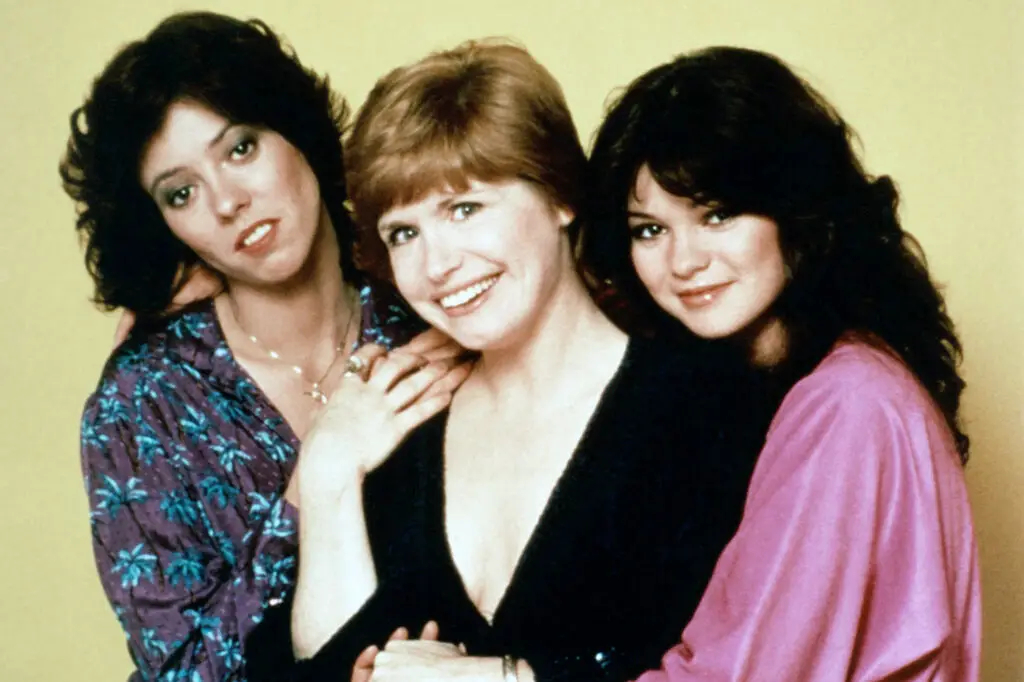
This episode sheds light on alcoholism through Schneider’s attempt to hide his drinking from the family. His slip-ups become harder to ignore, and the truth eventually comes out. Ann handles the situation with a mixture of concern and honesty. The emotional tension builds naturally as Schneider faces his own denial. The show doesn’t portray him as a stereotype, instead treating addiction as a nuanced struggle. Viewers appreciated the sensitivity the writers brought to the subject. It opened up deeper conversations about support and recovery. The episode became a defining moment in Schneider’s arc.
The vulnerability Schneider shows is what makes the episode meaningful. His shame is palpable, and the family’s support feels sincere. The writers strike a balance between compassion and accountability. Ann’s insistence that he confront the problem offers a model for tough love. The episode never rushes toward a tidy resolution. Instead, it acknowledges that recovery takes time. Fans praised the show for its honesty. It remains one of the series’ most powerful storylines.
13. The Wonder Years — “The Accident”
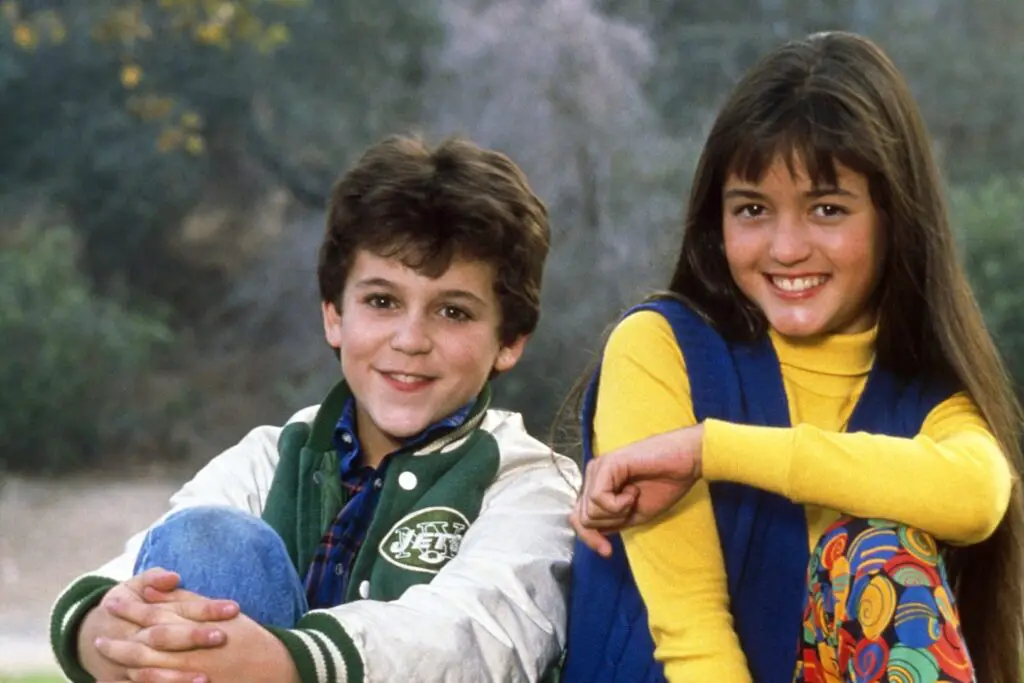
This episode deals with trauma and vulnerability after Winnie is severely injured in a car accident. Kevin tries to comfort her, but their conversations reveal how much pain she’s masking. The story highlights how difficult it is to support someone who is hurting emotionally and physically. Kevin’s fear of saying or doing the wrong thing feels relatable. Winnie’s fragility is portrayed with quiet honesty. The episode gives teenagers permission to acknowledge big feelings. Fans connected deeply with its sincerity. It became a standout moment in the series.
The writing handles young love with unusual emotional depth. Winnie’s recovery forces both characters to grow, and Kevin’s patience becomes a major theme. Their dynamic shifts as he learns when to step in and when to give her space. The episode also explores how trauma lingers long after injuries heal. It reminded viewers that emotional wounds can hurt just as much as physical ones. The quiet tone makes it even more powerful. It remains one of the series’ most touching episodes.