
1. Ancient Fermented Drinks for Gut Health
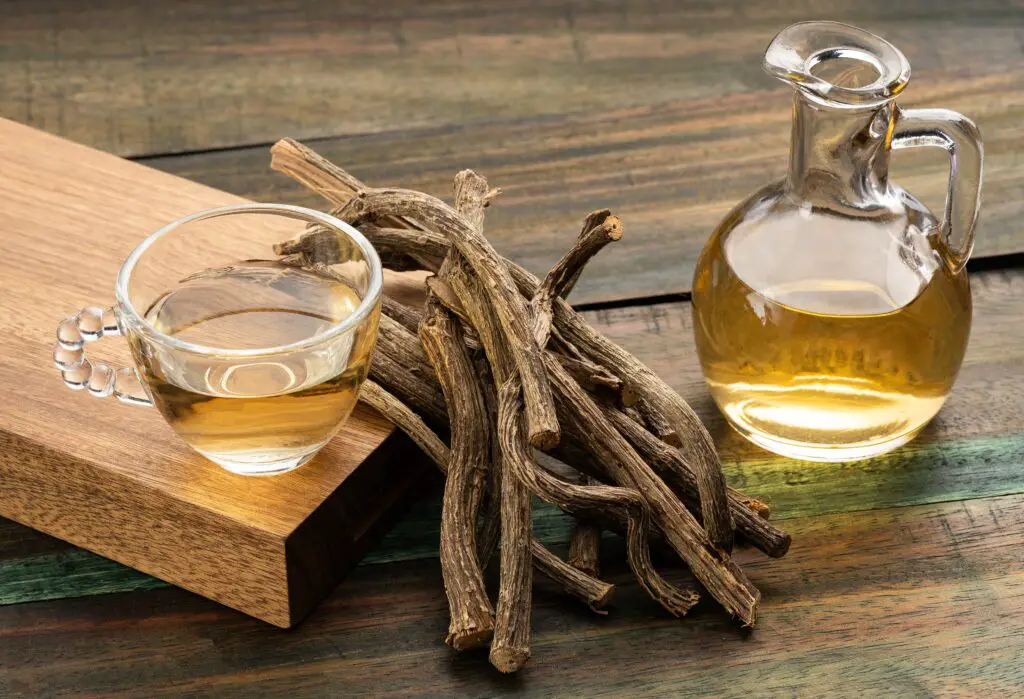
People in ancient cultures didn’t know what probiotics were, but they definitely knew how good fermented drinks made them feel. From early Egyptian bouza to old Korean grain brews, these drinks were often seen as healing tonics rather than casual refreshments. Many communities believed they helped with digestion or restored “balance,” even if they couldn’t explain why. What’s funny is how much this lines up with modern science, which now tells us fermented beverages really do support gut bacteria.
Researchers have found that the microbes in these ancient drinks acted similarly to today’s kombucha and kefir, offering benefits long before we had lab studies to prove it. Some archaeologists have even found fermentation jars with residue that shows probiotic activity. These old communities were basically running the first wellness trends without knowing it. Turns out, they were sipping on ancient versions of the stuff lining today’s health-food aisles.
2. Viking Sunstones for Navigation
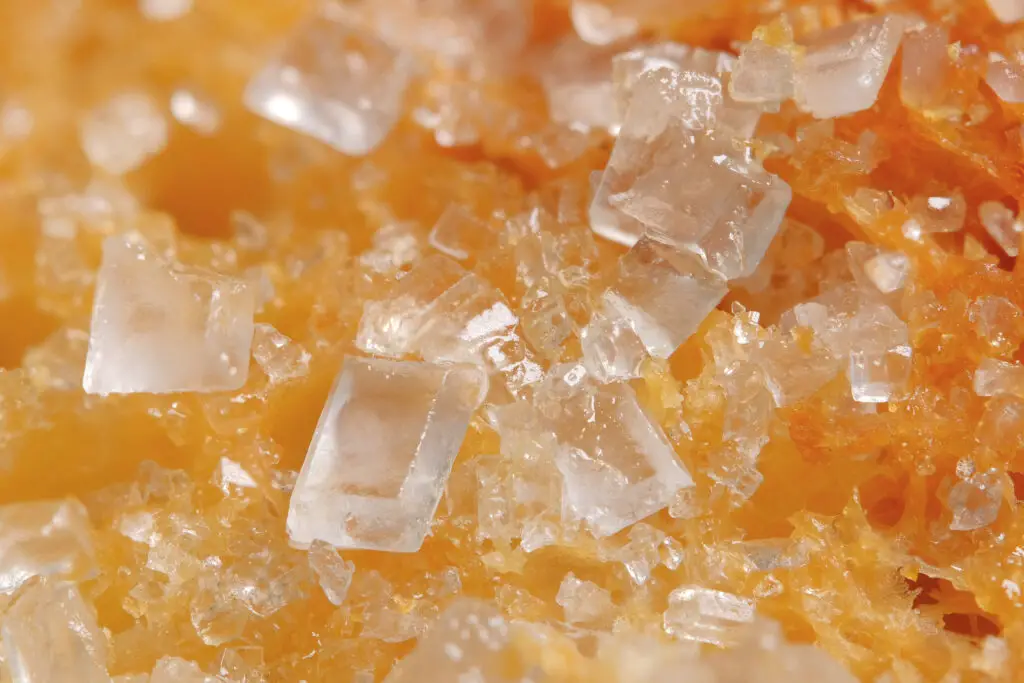
Vikings swore by “sunstones,” crystals they used to locate the sun on cloudy or foggy days. It sounded like pure mythology for a long time, something between folklore and pirate lore. But scientists eventually realized that certain crystals, like Iceland spar, can actually polarize light in ways that help locate the sun’s position. The Vikings may not have known the physics behind it, but they knew it worked well enough to trust during risky sea voyages.
Modern experiments show these crystals can pinpoint the sun’s location within a few degrees, even when the sky looks hopelessly gray. That means Viking navigators had a tool almost as reliable as a primitive compass. Some researchers even recreated Viking routes using nothing but sunstones and found the method surprisingly accurate. It’s a great reminder that ancient sailors were more skilled than they often get credit for.
3. Burning Sage to Purify Air
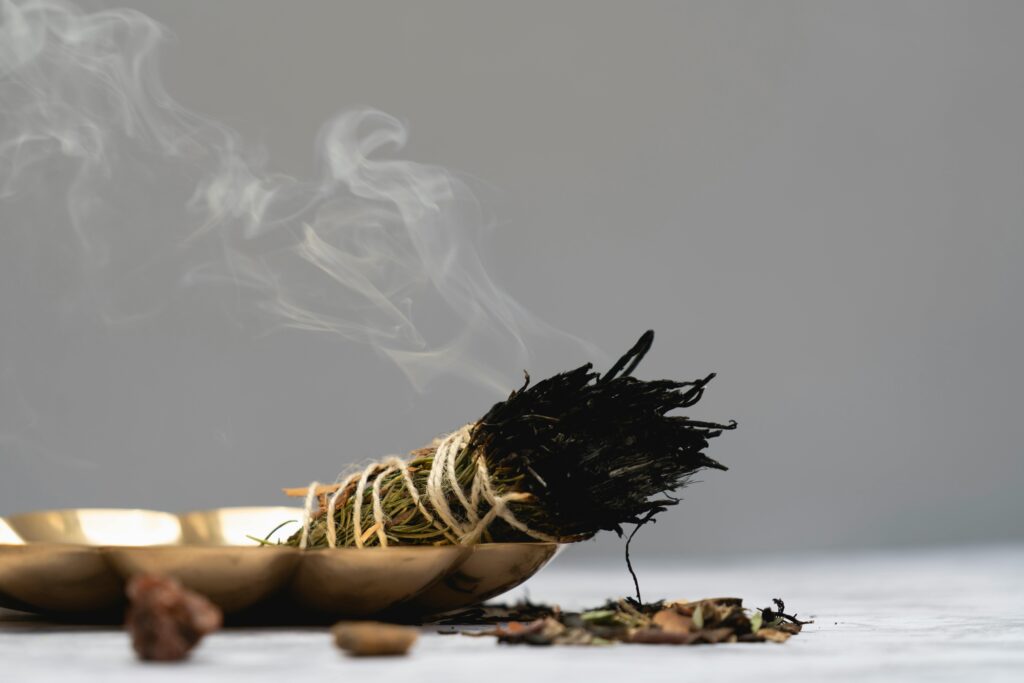
Burning sage, or “smudging,” appears in Native American practices and across ancient cultures worldwide. While it’s usually thought of as spiritual cleansing, old communities also believed it physically purified the space. Modern science stepped in and found that burning certain herbs really can reduce airborne bacteria. It’s not just a mystical ritual, it’s a surprisingly effective antimicrobial process.
Researchers running air-quality tests discovered that smoke from medicinal herbs can lower bacterial counts for nearly a full day. That means homes and communal spaces were probably healthier after a smudging. It also explains why the ritual stuck around for centuries, even as cultures changed. They may not have had microscopes, but they definitely understood results.
4. Sound Healing With Singing Bowls
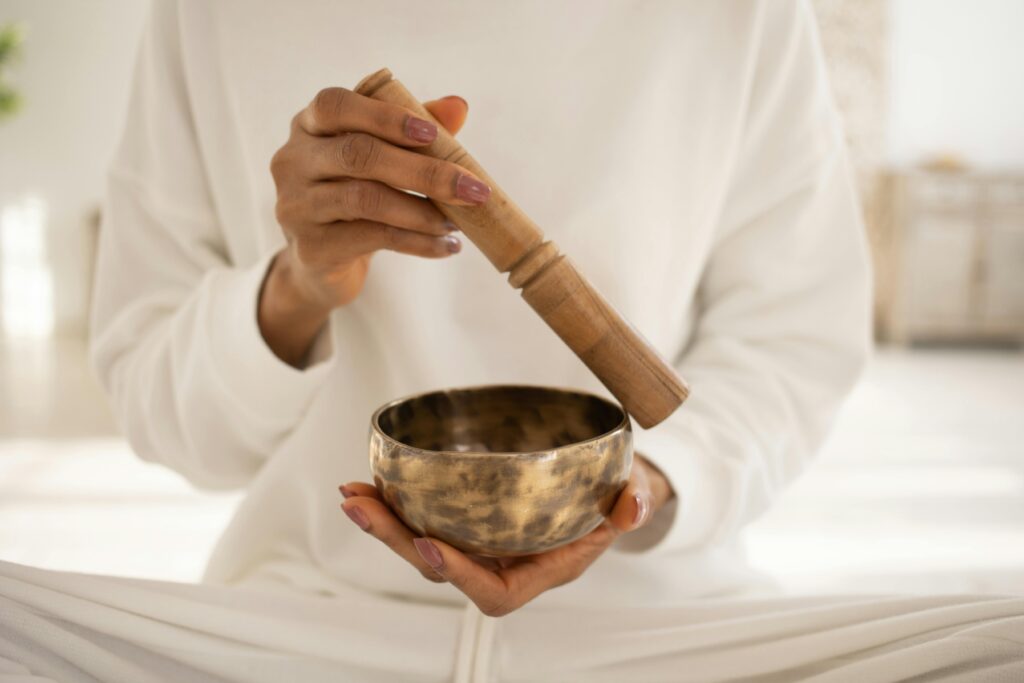
Himalayan singing bowls have long been used for meditation, healing, and even physical treatments. The bowls produce vibrations that ancient practitioners believed helped balance the body and mind. While the language around it can sound mystical, modern studies show that sound frequencies can actually reduce stress and slow the heart rate. It’s less magical than it seems, but no less impressive.
During tests, people exposed to these vibrations showed drops in cortisol and improved mood. Scientists think the rhythmic tones stimulate the vagus nerve, which regulates calm and relaxation. So the bowls may have been early forms of sound therapy, centuries ahead of today’s wellness spas. The ancient monks who used them understood something our gadgets are just now catching up with.
5. Herbal Steam Inhalation
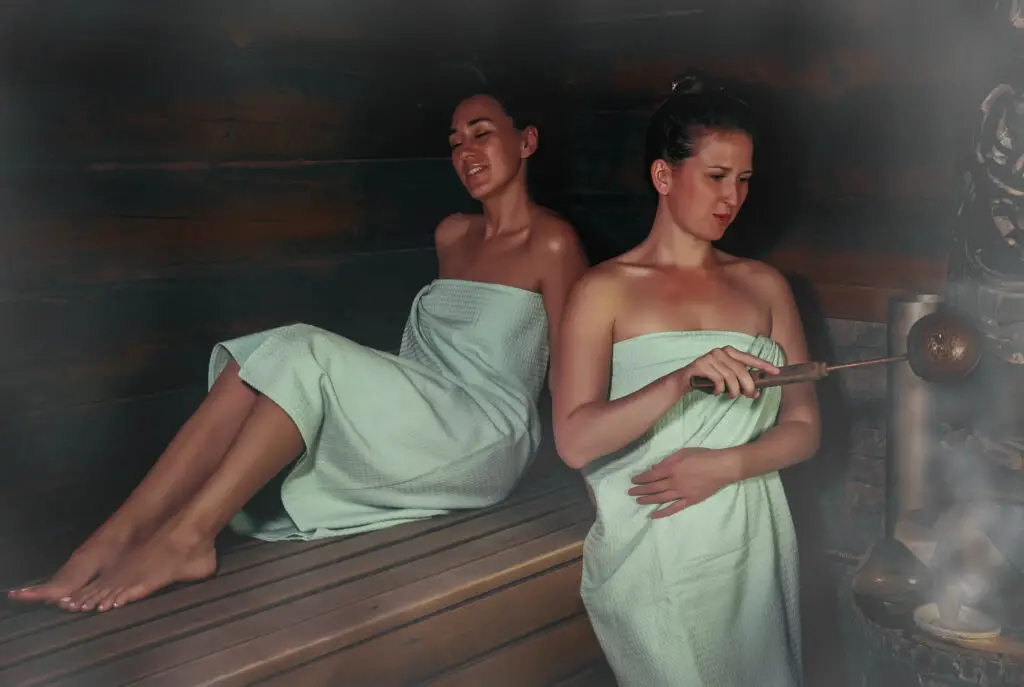
People across ancient Greece, China, and Africa often leaned over steaming pots of herbs to treat colds and congestion. It was considered a simple household remedy, passed down through generations. Science now knows that warm steam can help loosen mucus and ease sinus pressure, while certain herbs contain natural anti-inflammatory compounds. This wasn’t just comfort, it was chemistry at work.
Modern doctors even recommend steam inhalation as a supportive treatment today, especially for respiratory irritation. Some herbs used historically, like eucalyptus and mint, have been proven to open airways. Those ancient home healers probably didn’t realize they were creating tiny aromatherapy clinics in their kitchens. Still, they understood it made breathing easier and healing faster.
6. Clay Masks for Skin Health
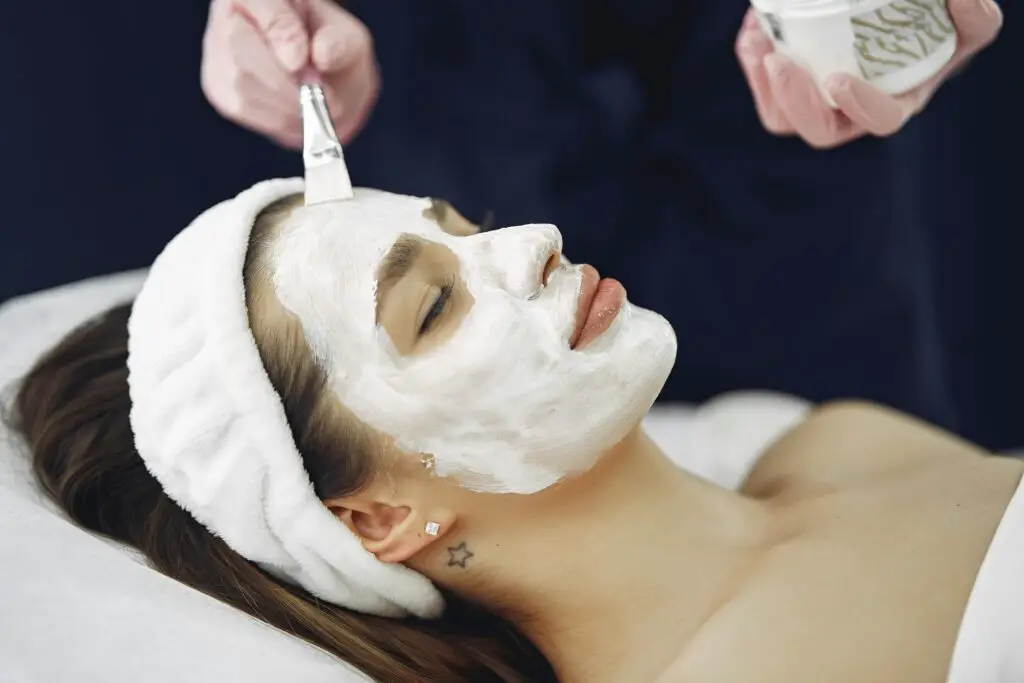
Ancient Egyptians, Native Americans, and early Middle Eastern cultures all used clay on their skin. They believed it detoxed the body and kept the complexion youthful. Today, we know clay binds to oils, dirt, and bacteria, pulling them away from the skin. It also delivers minerals and helps calm inflammation.
Dermatologists now recommend clay masks for acne, clogged pores, and sensitive skin issues. Some clays even show antimicrobial and antifungal activity under lab conditions. So while ancient beauty routines may seem simple, they were shockingly effective. Those early skincare enthusiasts were doing spa-level treatments thousands of years before Sephora existed.
7. Cold-Water Plunges for Recovery

Cold-water dips were common in ancient Greece, Scandinavia, and parts of East Asia. Whether tied to ritual cleansing or personal discipline, plunging into icy water was believed to strengthen the body and mind. Modern research now shows cold exposure can reduce inflammation, improve circulation, and boost mood. It’s basically the oldest version of cold-plunge therapy.
Studies even show it can increase endorphins and support faster muscle recovery. Athletes use it today for the same reasons ancient warriors did, though now with more explanation behind the benefits. These old traditions weren’t just bravado, they were early wellness science. They understood the power of cold long before workout influencers made it trendy.
8. Honey as a Wound Treatment
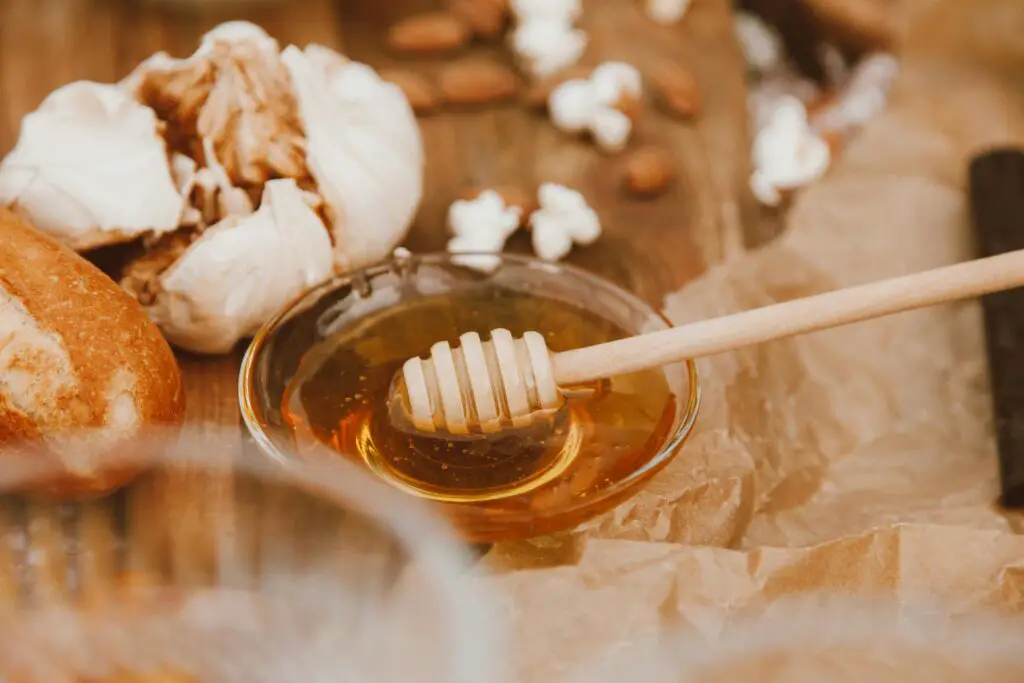
Ancient Egyptians used honey on cuts and burns, believing it had healing properties. It sounded a little sticky and strange to later generations, but modern science now backs them up. Honey has natural antibacterial activity because it contains hydrogen peroxide and other enzymes that inhibit microbes. It also creates a protective barrier over wounds.
Today, medical-grade honey is used in hospitals for burns and chronic wounds. Studies show it speeds healing, reduces infection risk, and even helps tissue regenerate. Those ancient healers figured out a nearly perfect natural antibiotic long before modern medicine. They weren’t just treating injuries, they were inventing early forms of wound care.
9. Meditation and Breathwork
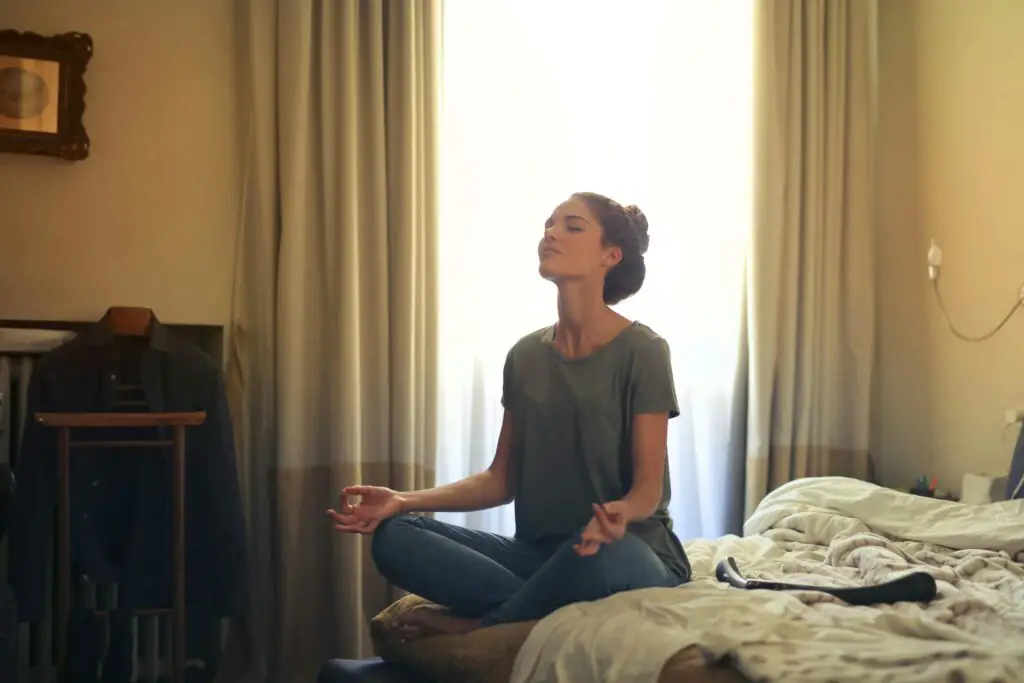
Meditation originated in ancient India and spread through Asia as a spiritual and mental discipline. Breath control, or pranayama, was used to balance energy and quiet the mind. Now science shows these practices actually reshape the brain, lowering stress and improving emotional regulation. Deep breathing also activates the parasympathetic nervous system.
MRI studies reveal thicker gray matter in people who meditate regularly. Stress hormones drop, sleep improves, and focus sharpens. So those ancient monks weren’t just seeking peace, they were rewiring their brains. They discovered psychological tools that modern therapy now leans on heavily.
10. Essential Oils for Calming the Mind
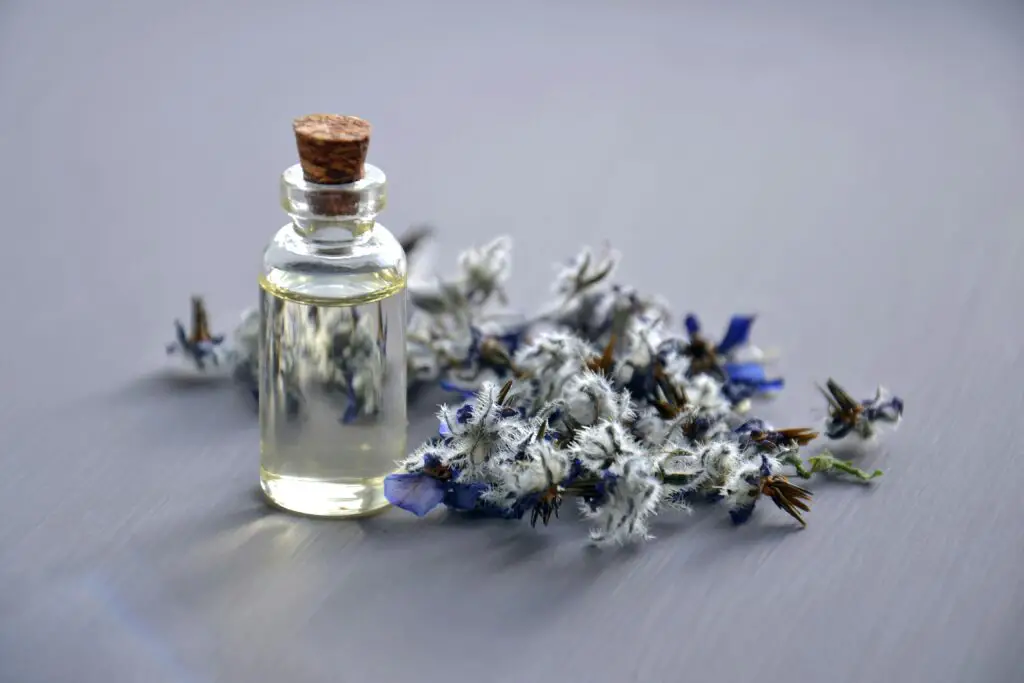
Ancient civilizations used essential oils not just for fragrance but for healing and spiritual rituals. Lavender, frankincense, and chamomile were prized for soothing effects. Today, researchers know these oils contain compounds that interact with the nervous system. Some can ease anxiety and promote relaxation through the limbic system.
Clinical studies show lavender oil, in particular, can reduce stress levels and support better sleep. It’s not magic, it’s chemistry interacting with brain receptors. Those ancient aromatherapists were onto something real, even if they explained it in symbolic terms. Their rituals were early versions of the diffusers filling homes today.
11. Yoga as Physical Therapy
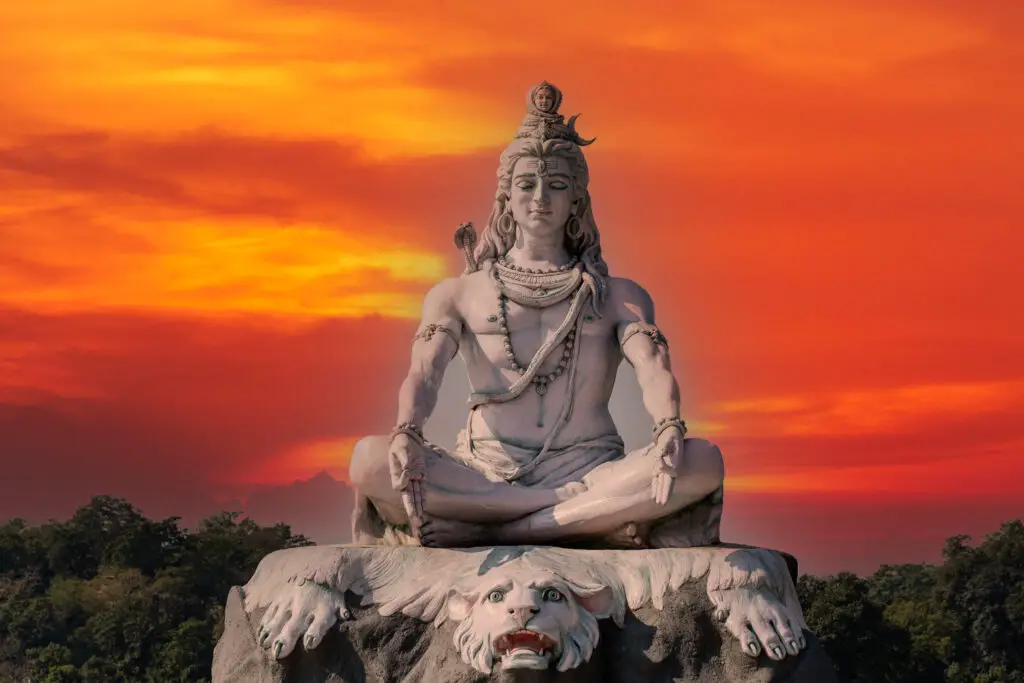
Yoga began as a spiritual practice in ancient India but included physical poses meant to prepare the body for meditation. The postures improved flexibility, strength, and posture long before gyms existed. Modern science confirms yoga helps reduce chronic pain, stabilize joints, and strengthen core muscles. Doctors now recommend it for back issues and stress management.
Studies also show improved balance, mobility, and reduced inflammation in regular practitioners. So those ancient yogis created a holistic physical therapy routine without realizing it. They combined movement, breathing, and stillness in a way that aligns beautifully with modern rehab science. Their approach was thousands of years ahead of its time.
12. Trepanation for Pressure Relief

Trepanation, the act of drilling a small hole into the skull, is one of the oldest known surgical procedures. Ancient cultures often performed it to treat head trauma or release “evil spirits.” While the spiritual reasoning isn’t supported, the physical effect actually makes sense. In cases of swelling or pressure buildup, relieving the pressure can sometimes be lifesaving.
Modern neurosurgery uses a similar principle with craniotomies. Of course, today it’s done in sterile environments with anesthesia, but the underlying idea isn’t as misguided as it once seemed. Archaeologists even found evidence that some ancient patients survived the procedure. These early healers may not have fully understood the brain, but they recognized when something needed intervention.
13. Fire Rituals for Insect Control
Many ancient communities burned herbs, resins, or specific woods during ceremonies. While some of it was symbolic, these rituals also reduced pests like mosquitoes and flies. Modern science shows that smoke from certain plants repels insects and even interrupts their breeding cycles. That means those rituals doubled as early public-health practices.
Some resins, like frankincense and myrrh, contain compounds that deter bugs naturally. When burned, they create an environment that insects avoid, making gatherings safer and cleaner. So while people saw these ceremonies as spiritual offerings, they were also practical solutions. The community stayed healthier, even if no one understood why it worked so well.