
1. The Hope Diamond
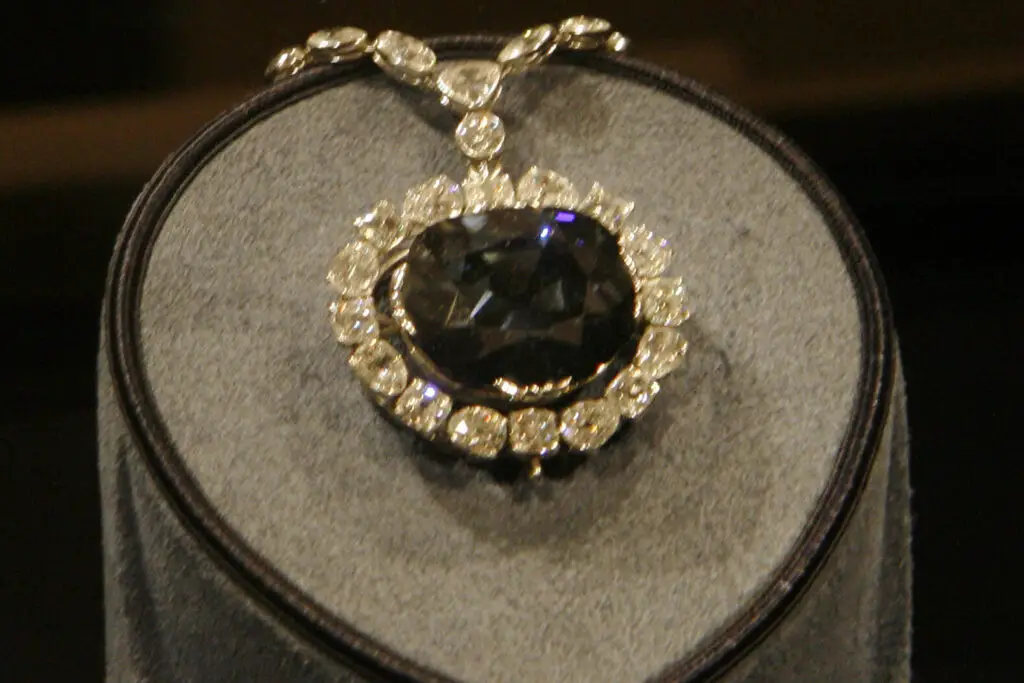
The Hope Diamond might be one of the most famous gems in the world, but its reputation for bringing misfortune to its owners is almost as well known. Long before it arrived at the Smithsonian, it passed through the hands of royals, socialites, and collectors who all claimed the stone had cursed their fortunes. Stories of financial ruin, heartbreak, and even death have followed the blue diamond for generations. Even today, some visitors swear they feel a strange heaviness in the exhibit room. Museum guides don’t officially endorse the curse, but they definitely don’t mind the extra intrigue it brings. And honestly, it’s hard not to lean in a little closer when you know how many bizarre tales cling to it. Whether you believe the curse or not, the diamond has more personality than most museum pieces.
Despite its unsettling history, the Smithsonian treats the Hope Diamond like the superstar it is. The gem is displayed in a rotating case, which only adds to its theatrical presence. People crowd around it every day, trying to get the perfect photo while quietly wondering if they should keep a respectful distance. The museum even receives letters from fans begging to “break the curse,” as if the stone itself is listening. There’s something magnetic about it, like it dares you to stare too long. For many visitors, it’s the first stop on their museum checklist. And for others, it’s the exact thing they try to avoid because, well, why tempt fate?
2. Robert the Doll
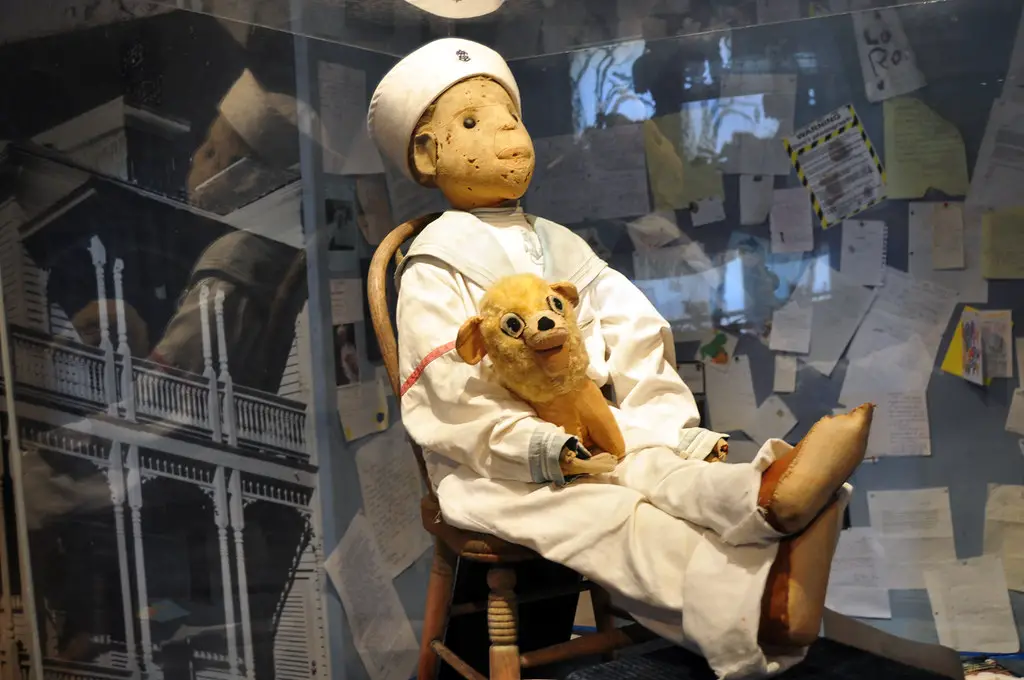
Robert the Doll has terrified people for over a century, and he’s only gotten creepier since arriving at the Fort East Martello Museum in Key West. Originally owned by Robert Eugene Otto, the doll became the center of strange stories involving footsteps, giggles, and objects moving on their own. Visitors now swear that Robert can ruin their lives if they snap a photo without asking permission first. Some people even claim the doll’s expression changes, especially if he’s annoyed. Museum staff insist that the letters stacked behind his display are from people apologizing for disrespecting him. Even skeptics admit there’s something unsettling about his glassy stare. It’s like he’s waiting for someone to make the wrong move.
The museum leans into Robert’s eerie reputation, but they also treat him with a weird sort of respect. Staff talk about him as though he can hear every word. Visitors whisper their apologies as if they’re confessing to a priest. And every October, crowds show up hoping to catch a glimpse of something unusual around his case. No one knows whether Robert really has supernatural powers or if he’s simply benefiting from decades of spooky storytelling. Either way, he’s easily one of the most famous haunted objects in any museum. And honestly, he looks like he enjoys the attention.
3. Annabelle
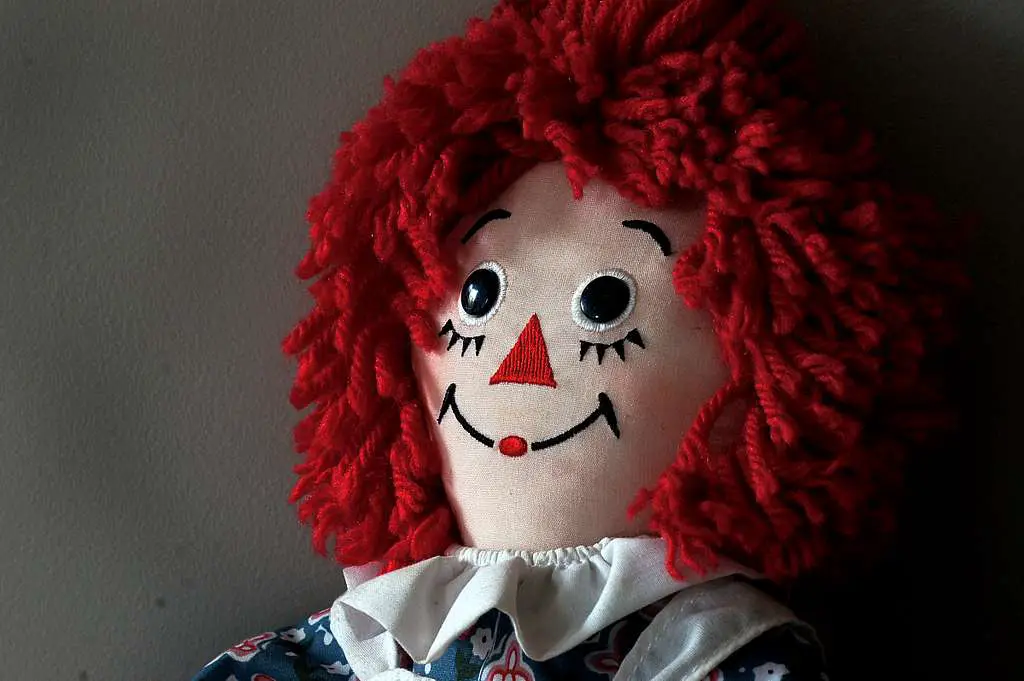
Before Annabelle became a horror-movie celebrity, she was just a Raggedy Ann doll living quietly in a glass case at the Warren Occult Museum. Ed and Lorraine Warren claimed she was one of their most dangerous possessions, insisting the doll was responsible for physical attacks and even near-fatal encounters. Visitors often felt sudden chills when they stood near her case, and some said they saw her hands or head shift ever so slightly. The Warrens warned everyone not to tap on the glass or challenge the doll, because that “invitation” was supposedly enough to stir her up. Whether you believe it or not, her presence has always carried an eerie weight. And people still argue over how much of her story is real versus Hollywood exaggeration. It doesn’t help that she looks so innocent from a distance.
Even after the museum closed to the public, Annabelle’s celebrity only grew. Paranormal investigators, collectors, and fans still request updates about her whereabouts, like she’s a retired actress living quietly somewhere in Connecticut. The Warrens’ team keeps her sealed in a protective case, claiming it’s for everyone’s safety. People who’ve encountered her often describe an overwhelming feeling of being watched. Others insist the room grows strangely silent, as if the air itself tightens. True or not, the doll has a way of getting under your skin. And her legend doesn’t seem to be fading anytime soon.
4. The Dybbuk Box
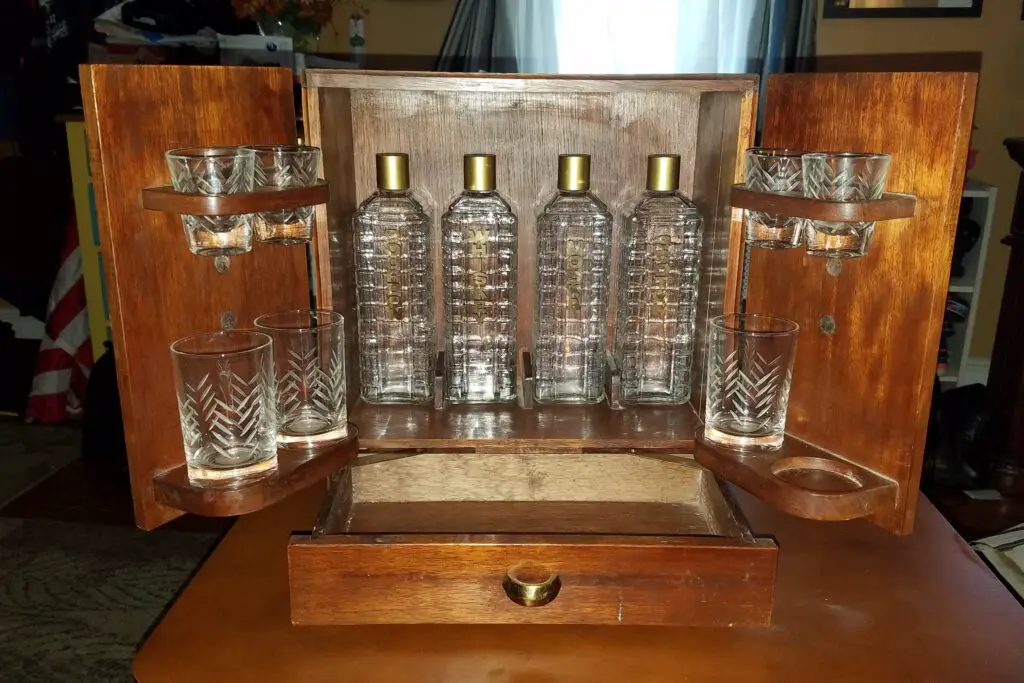
The Dybbuk Box, housed at Zak Bagans’ Haunted Museum in Las Vegas, might be one of the most infamous “haunted” objects of the last twenty years. Its legend began with a mysterious wine cabinet sold on eBay, where the seller claimed it unleashed a malicious spirit and caused illness, nightmares, and even strange electrical failures. By the time it reached the museum, its reputation had already spiraled into full-blown folklore. Visitors say they feel overwhelming dread when they approach it, and some claim to see shadowy figures near the display. Even celebrities have walked away shaken after standing too close. The museum staff treat the box with extreme caution. And the stories surrounding it only seem to grow larger every year.
Inside the museum, the Dybbuk Box is displayed like a sacred relic, but one you definitely don’t want to touch. The room is dim, adding to the uneasy feeling that something might be lingering inside the cabinet. Some guests retreat almost immediately, insisting the air feels heavier than anywhere else in the building. Others try to brave it, hoping for a supernatural moment they can brag about later. Whether its origins are exaggerated or not, the box has cemented its status as a modern haunted icon. And for many visitors, it becomes the story they can’t stop telling when they leave.
5. The Busby Stoop Chair
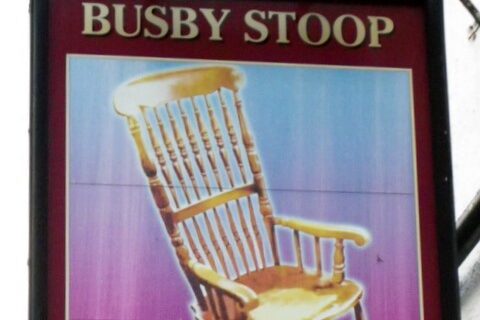
The Busby Stoop Chair sits in the Thirsk Museum in England, and its story is the kind that makes you glad there’s a “no touching” rule. The legend says a man named Thomas Busby cursed the chair as he was being taken to his execution in the 1700s. Supposedly, anyone who sat in it afterward suffered sudden and often fatal accidents. Locals began to avoid it entirely, insisting it was responsible for dozens of mysterious deaths. When the chair eventually made its way to the museum, staff immediately hung it from the ceiling so no one could ever sit in it again. Even the most skeptical visitors stop and stare, wondering if they’re looking at a harmless piece of furniture or something far darker. It’s the kind of story that sticks with you long after you leave.
Today, the chair still hangs high above the exhibit floor, as if the museum doesn’t want to test fate. Visitors always ask whether the curse is real, and staff usually offer a carefully neutral answer. Some say they feel uneasy just being in the same room as the chair. Others try to snap a quick picture before hurrying away. Whether or not you believe in curses, the lore built around this chair is enough to make anyone think twice before sitting in antique furniture. And that’s probably not a bad takeaway.
6. The Crying Boy Painting
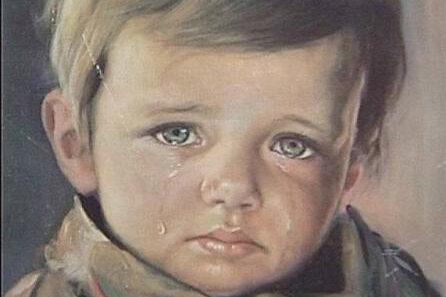
The Crying Boy painting became a pop-culture phenomenon in the ’80s, especially after a series of unexplained house fires all seemed to leave the artwork mysteriously untouched. Now displayed in various museums and exhibitions across the UK, it’s earned a reputation for bringing misfortune to anyone who hangs it in their home. People who see it often describe the portrait as oddly lifelike, almost as if the boy’s steady gaze follows them around the room. Some even claim the atmosphere shifts when they step near the painting. Museum staff acknowledge the superstition but focus more on the strange coincidences attached to its history. Even skeptics admit it’s unsettling how many homes burned while the painting remained intact. It’s the kind of mystery that feels too strange to ignore.
Visitors often approach the painting slowly, as if bracing for an emotional reaction. Many insist the child’s expression looks different depending on where they stand. Others say they feel an inexplicable sadness wash over them, even if they weren’t emotional beforehand. Whether the painting is cursed or just a victim of dramatic storytelling, it undeniably carries a strange energy. And for many museumgoers, it becomes one of the exhibits they talk about the most after their visit. There’s just something about that lonely little face that refuses to fade from memory.
7. The Myrtles Plantation Mirror
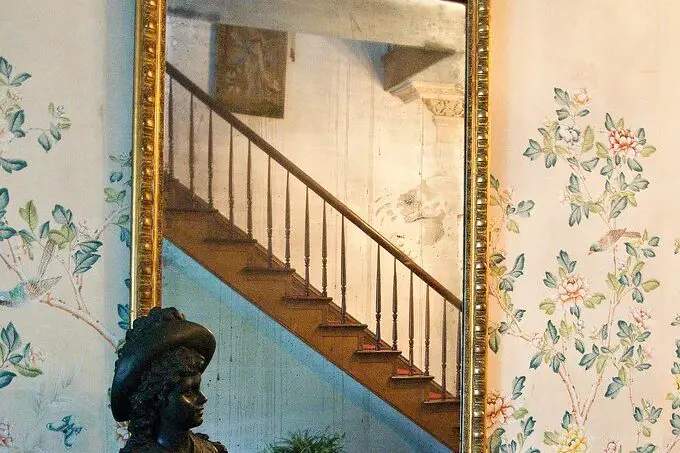
Now housed as part of the historic Myrtles Plantation museum in Louisiana, this antique mirror has been linked to one of the plantation’s most enduring ghost stories. Visitors have claimed to see handprints, figures, and even faces appear in the glass, often fading as quickly as they appeared. According to legend, the mirror holds the spirits of Sara Woodruff and her children, who were poisoned more than a century ago. The story is grim, but the mirror itself looks perfectly ordinary at first glance. That contrast is part of what makes it so unsettling. People lean in expecting smudges or reflections, then swear they see something that shouldn’t be there. It has become one of the most photographed pieces on the property.
The museum never outright confirms the haunting, but they don’t deny it either. Guides simply smile and tell visitors to keep their eyes open. Some people step away the moment they see a strange shape behind them. Others linger, hoping for a ghostly cameo in their selfie. Even on calm days, the mirror seems to draw in anyone with a love of the paranormal. It’s a piece of furniture with a reputation that far outweighs its appearance. And no matter how many times it’s cleaned, the stories never disappear.
8. The Conjure Chest
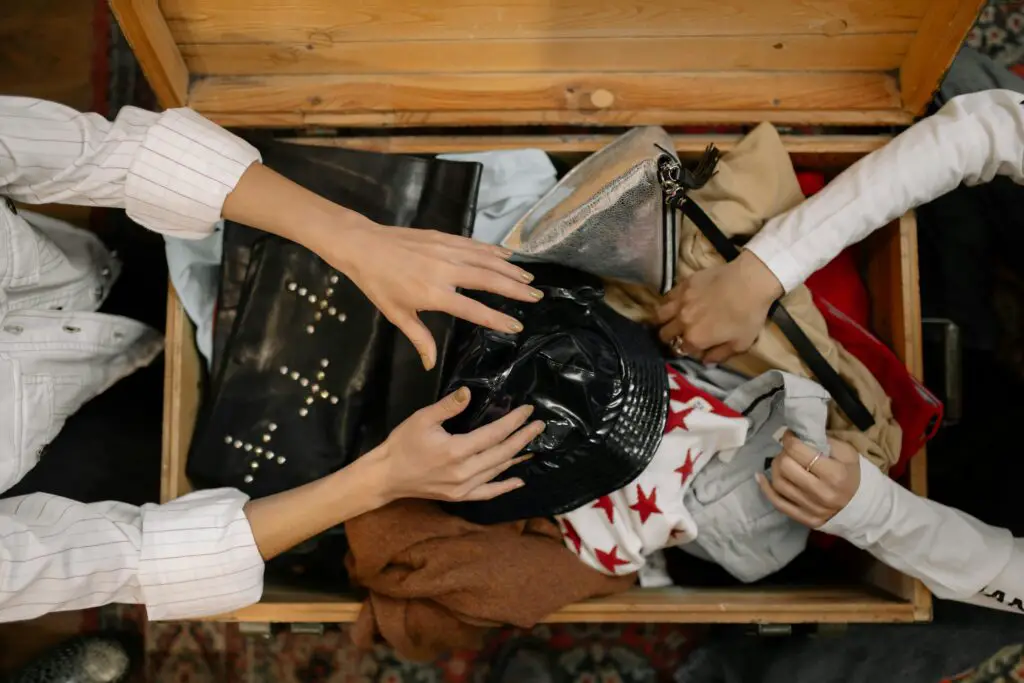
The Conjure Chest on display at the Kentucky History Museum comes with a deeply unsettling backstory involving curses, tragedy, and eerie coincidences. According to legend, the chest was hexed by an enslaved man in the 1800s after being forced to build it under horrific conditions. Over the years, many people linked to the chest suffered sudden illnesses or fatal accidents. The pattern became so alarming that the chest was eventually stored away for generations. When it finally found its way into the museum, staff documented its entire history, including every reported misfortune tied to it. Visitors often describe feeling a strange heaviness when they stand near it. And for many, the story itself is enough to stir up goosebumps.
Despite its dark past, the museum tries to present the chest as a historical object rather than a supernatural threat. Still, guests always ask about the curse, and guides usually offer a gentle, careful explanation. Some visitors step away quickly once they learn its history. Others lean in, fascinated by its craftsmanship and the mystery behind it. The contrast between the chest’s beauty and its grim legend makes it unforgettable. And it remains one of the museum’s most chilling pieces, even without any dramatic theatrics.
9. The Haunted Wedding Dress
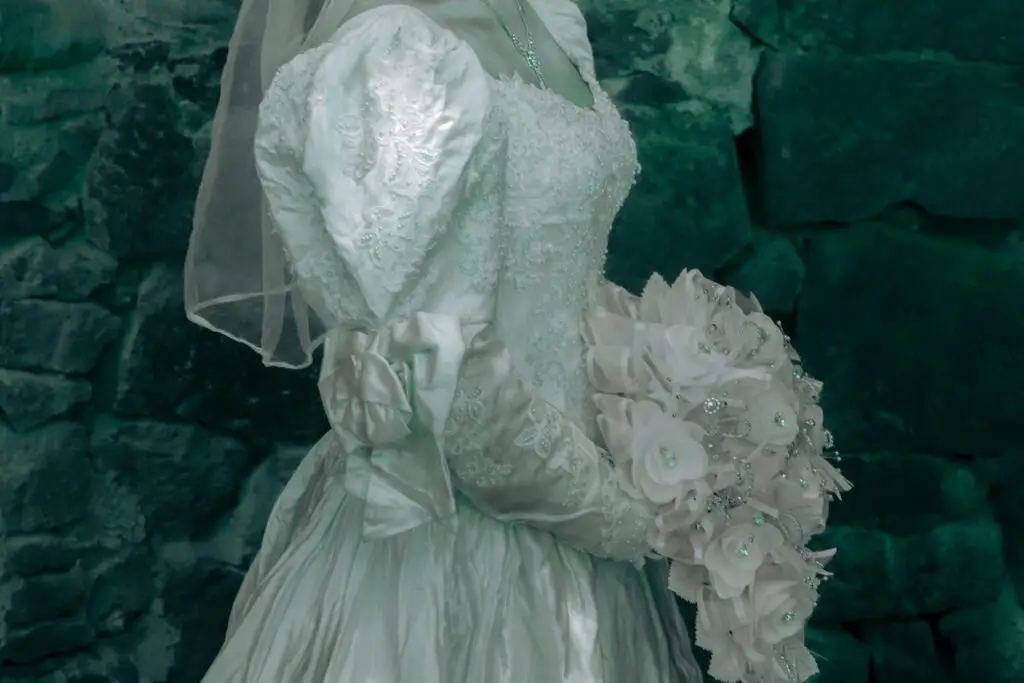
The haunted wedding dress known as “Anna Baker’s dress” sits in the Blair County Historical Society Museum in Pennsylvania, and the story behind it feels straight out of a gothic novel. Anna Baker was forbidden to marry the man she loved, and after she died, her unused dress was preserved in the family mansion. Over time, staff and visitors began reporting that the gown swayed on its own, as if someone invisible were stepping into it. Some claimed the skirt rustled despite there being no airflow. The dress seems ordinary at first glance, but its tragic story gives it an unnerving presence. People often linger in front of it, imagining the life Anna never got to have.
The museum treats the dress with a mix of reverence and curiosity. Guides share the story with a gentle tone, acknowledging that not everyone believes in ghostly brides. But believers insist they feel a chill whenever they enter the room. Some even say they glimpse the faint outline of a woman beside the gown. Whether the movement is supernatural or just clever illusion, it gives visitors something to think about. And the gown remains one of the museum’s most memorable exhibits.
10. The Fiji Mermaid

The Fiji Mermaid, now displayed in the Peabody Museum and other traveling exhibitions, started as a carnival hoax but somehow gained a reputation for being more unsettling than amusing. Originally presented by P. T. Barnum, the “mermaid” is actually a grotesque combination of a monkey torso and a fish tail. Even though it was never a real creature, people began associating it with strange sensations, bad dreams, and bad luck. Some visitors claim they feel nauseous when they get too close to it. Others say its shriveled face looks like it’s frozen mid-scream. Museums present it as a curiosity, but its disturbing appearance alone is enough to make people uneasy. And the more you stare at it, the stranger it feels.
Despite its creepy reputation, the Fiji Mermaid remains an important piece of sideshow history. Museums showcase it as an example of the lengths performers went to in order to thrill audiences. But the eeriness never fully goes away. Even skeptics admit it has an energy that feels different from other exhibits. People often walk away shaking their heads, unsure whether they’re disturbed by the object or by their reaction to it. Whatever the explanation, the mermaid remains a little nightmare preserved in glass. And it continues to fascinate those brave enough to take a closer look.
11. The Haunted Percussion Clock
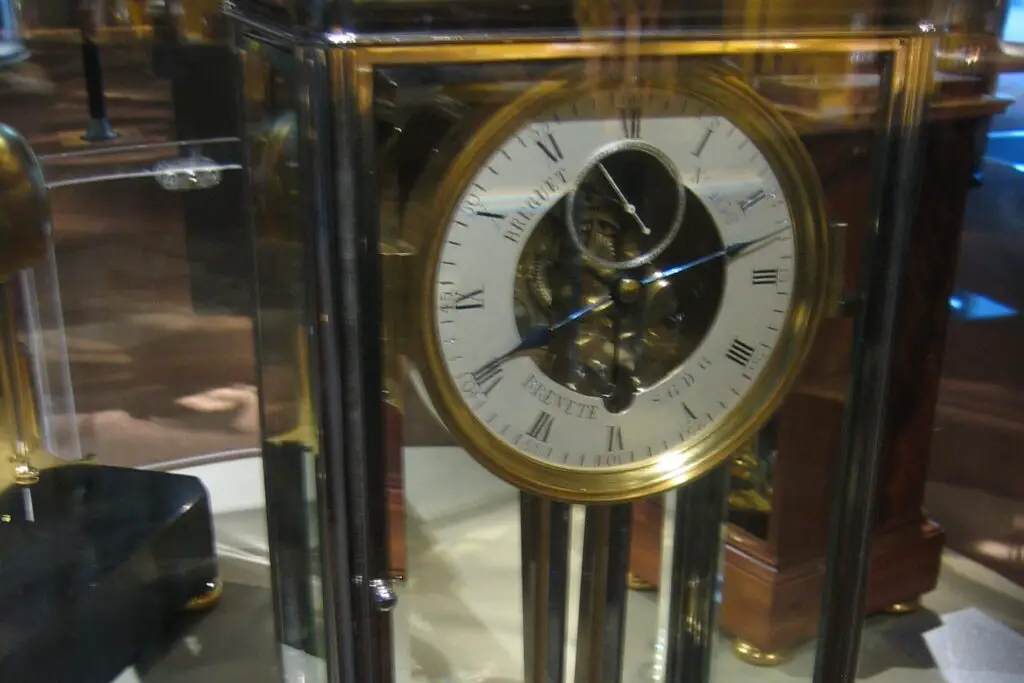
Housed in the British Museum’s collection, the haunted percussion clock is linked to a series of strange reports that date back centuries. Visitors and curators have described the sound of faint tapping or rhythmic knocking even when the clock is completely still. Others claim they’ve seen its hands move on their own, especially late in the evening when the museum is quiet. The clock was once owned by a family who believed it signaled impending misfortune whenever it chimed unexpectedly. Even after moving to the museum, the rumors followed it. Staff have tried to explain the noises scientifically, but not every incident has a clear answer. For many, the mystery is part of its charm.
Today, the clock sits quietly behind glass, but people still linger around it hoping to hear something unusual. Some visitors say they feel strangely anxious standing near it, as if they’re waiting for something to happen. Others treat it like a puzzle, trying to figure out the source of the unexplained sounds. Museum guides remain diplomatic, acknowledging the stories without fully endorsing them. But the legend persists, passed along from one visitor to the next. And the clock continues ticking away in people’s memories long after they’ve left the gallery.
12. The Blarney Stone Fragment
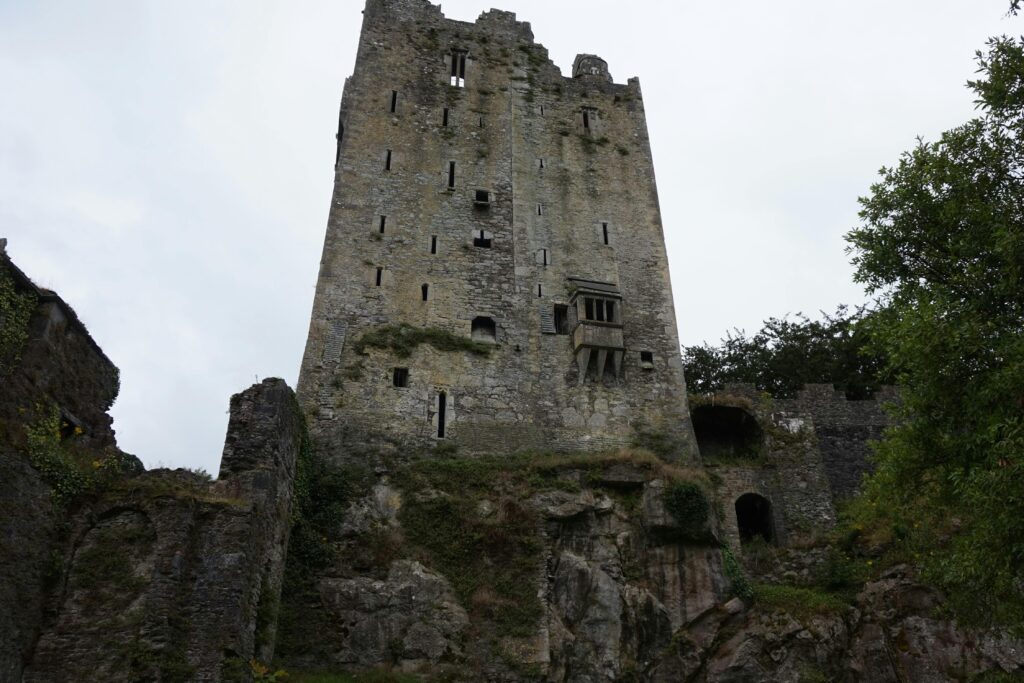
A small fragment of the Blarney Stone, preserved in Ireland’s Cork Public Museum, might be one of the most unexpected “haunted” pieces on display. While the stone itself is famous for granting the gift of eloquence, this particular fragment has been linked to strange occurrences ever since it was removed from the original castle site. Visitors have reported cold spots, tingling sensations, and an odd feeling of being watched when they approach it. Staff members have even mentioned objects shifting slightly in the exhibit room. Some believe the fragment carries a protective spirit tied to the castle’s long history. Others think removing it may have angered something that preferred to stay put. Whatever the truth, the stone has a presence that’s hard to ignore.
The museum plays up the artifact’s folklore, sharing both the magical and eerie sides of the story. Guests often approach it with a mix of curiosity and caution, wondering whether they’re about to receive a blessing, a chill, or nothing at all. Some leave offerings or coins nearby, just in case. Others snap a quick picture before stepping back, unwilling to linger too long. It’s a small object with a surprisingly big reputation. And it proves that even a simple stone can carry centuries of mystery.