
1. Wearing White Only After Memorial Day

Back in the day, people treated the “no white before Memorial Day” rule like it was written into law. Neighbors whispered if someone dared to wear a white skirt in April, and magazines acted as though lighter colors were physically incapable of touching skin until summer officially arrived. The whole thing was rooted more in class signaling than weather, since wealthy families historically switched to lighter clothes during warm-weather vacations. Today, the idea of waiting for a specific holiday before choosing an outfit feels almost comically restrictive. Most people wear white whenever they want, whether it’s January or July. Imagine telling someone now to put their white jeans away until a specific Monday, they’d probably laugh. Fashion has finally let that silly rule go.
The funny thing is, many of us grew up hearing this rule without ever questioning it. It just floated around in the air, passed from grandmothers to moms to anyone flipping through a fashion magazine. Breaking it felt like a small act of rebellion, even if no one could explain why the rule existed. Now, with so many trends embracing year-round neutrals, it feels like proof that fashion “rules” are often just opinions that overstayed their welcome. White boots in winter are practically a standard look now, and no one clutches their pearls over it. It makes you wonder what other so-called rules we’ll laugh about in twenty years.
2. Never Mixing Gold and Silver Jewelry
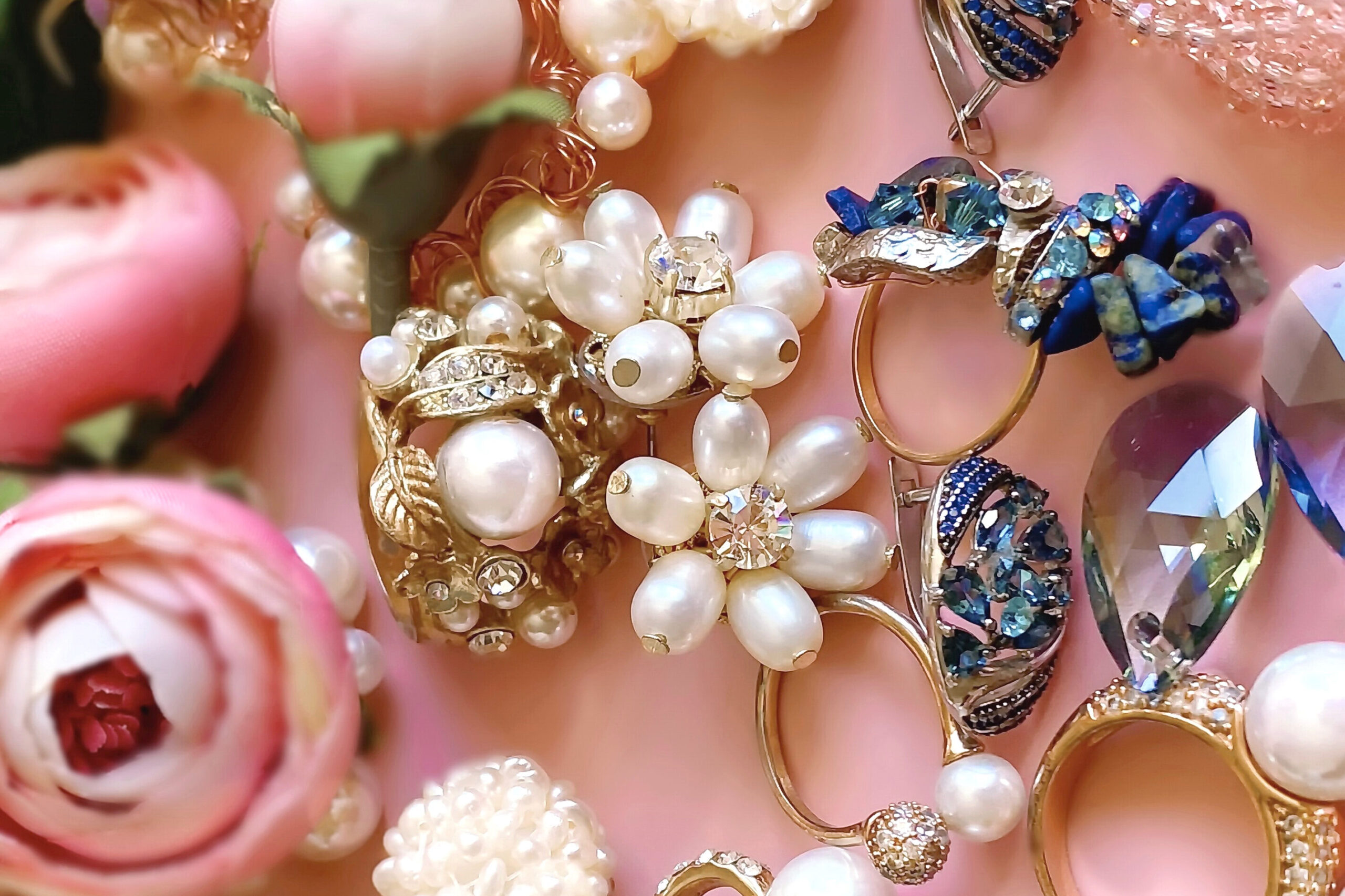
There was a time when wearing gold and silver together was considered a major faux pas. People genuinely stressed about matching their metals, inspecting earrings, necklaces, and watch faces to make sure everything aligned. It created this weird pressure that turned accessorizing into a math equation instead of something fun. Modern fashion influencers would probably roll their eyes at the idea of limiting yourself like that. Today, mixing metals is seen as stylish, intentional, and effortlessly cool.
In hindsight, the old rule feels almost quaint. It assumed people couldn’t possibly handle more than one tone at once, which is funny considering how bold jewelry trends have become. Stacks of rings, layered necklaces, and mixed-metal pieces are everywhere now. Even brands design jewelry that blends tones on purpose, which would’ve horrified the rule-followers of the past. The shift proves that personal style always wins out over rigid guidelines.
3. Your Shoes Must Always Match Your Purse
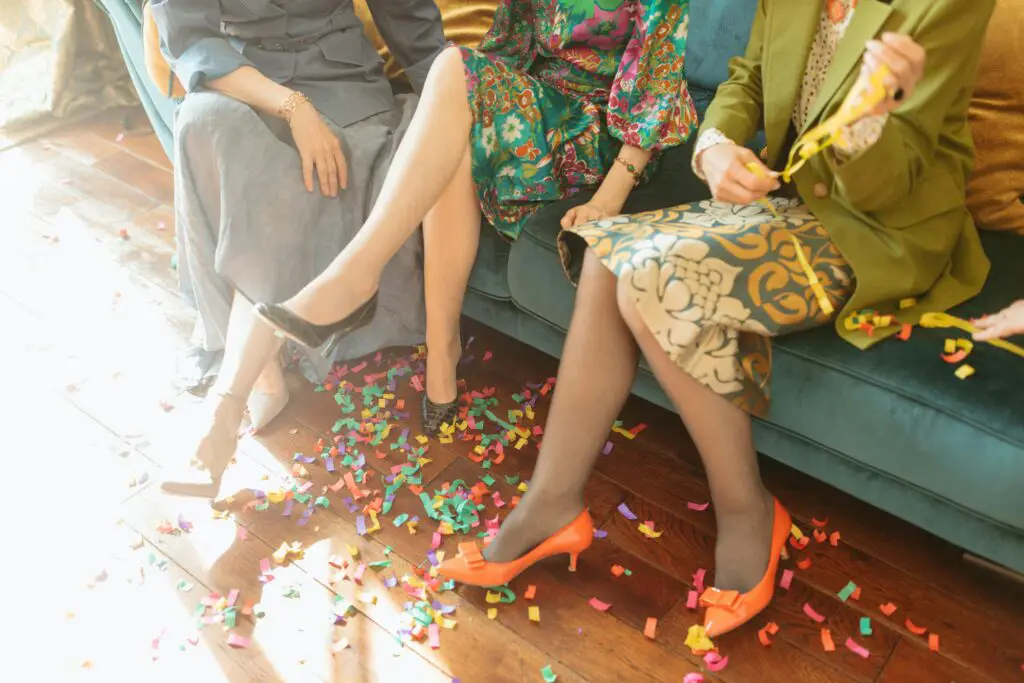
For decades, matching your shoes and purse was treated like the height of sophistication. If you owned a pair of navy heels, you were expected to find a perfectly matching navy handbag. This rule created unnecessary stress, especially for anyone who didn’t have a massive budget or a closet full of accessories. These days, intentionally mismatched items look more modern and interesting. People want to express themselves, not follow a paint-by-numbers template.
It’s funny because even mid-century fashion magazines pushed the idea relentlessly, as if failing to match made you instantly “unstylish.” Today, you’ll see someone wearing sneakers with a glittery clutch or a bright handbag with neutral shoes, and it feels fresh instead of wrong. The whole point of modern styling is to mix things intentionally, not perfectly. The old rule just doesn’t stand up anymore. Honestly, it feels like a breath of fresh air not to worry about matching every accessory like a uniform.
4. “No Socks with Sandals”

This was once the ultimate fashion sin, joked about endlessly and used to embarrass dads everywhere. People acted like putting socks under sandals was a sign that someone had completely given up on life. And now? Trendsetters wear chunky socks with slides, high socks with sporty sandals, and styled versions that look surprisingly cool. It’s one of those rules that flipped so hard that it went from “never” to “fashion-forward.”
The shift is partly because comfort matters more now than ever. People travel more casually, streetwear took over, and the idea of rigid dress rules feels outdated. Socks with sandals are everywhere on runways and in airports, and very few people raise an eyebrow anymore. It’s proof that fashion’s “don’ts” can quickly become “dos” when enough people embrace them. The real shock is that the old criticism feels more embarrassing now than the outfit ever did.
5. Wearing Hosiery Every Time You Wear a Dress
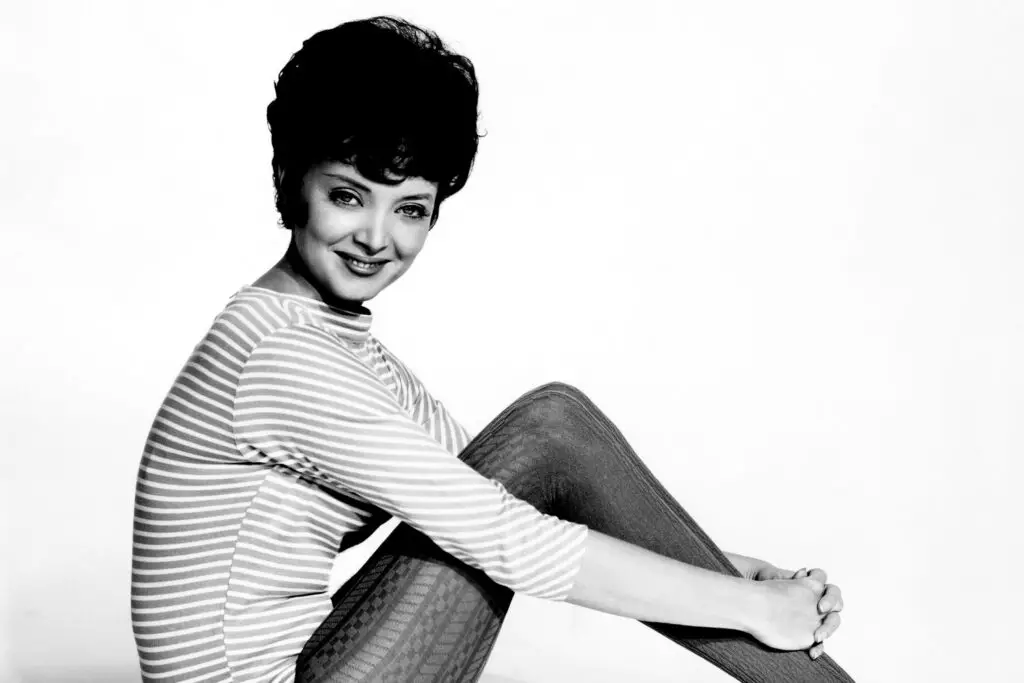
There was a time when bare legs were considered unpolished, almost scandalous, especially in cooler months. Women were expected to wear pantyhose or tights with every dress or skirt, whether they were comfortable or not. It wasn’t about warmth but propriety, and workplaces enforced it like part of a uniform. Today, bare legs are completely normal and often preferred.
Even the idea of “nude hose” feels dated in 2025, since the color options rarely matched anyone’s actual skin tone anyway. Most people ditched the rule once comfort and self-expression became more important. Now hosiery is a choice, not a mandate, and usually reserved for fashion rather than etiquette. The freedom to choose what feels right instead of what’s required is one of the best shifts modern style has embraced. No one misses the days when a run in your tights could derail your whole outfit.
6. Never Showing Your Bra Straps
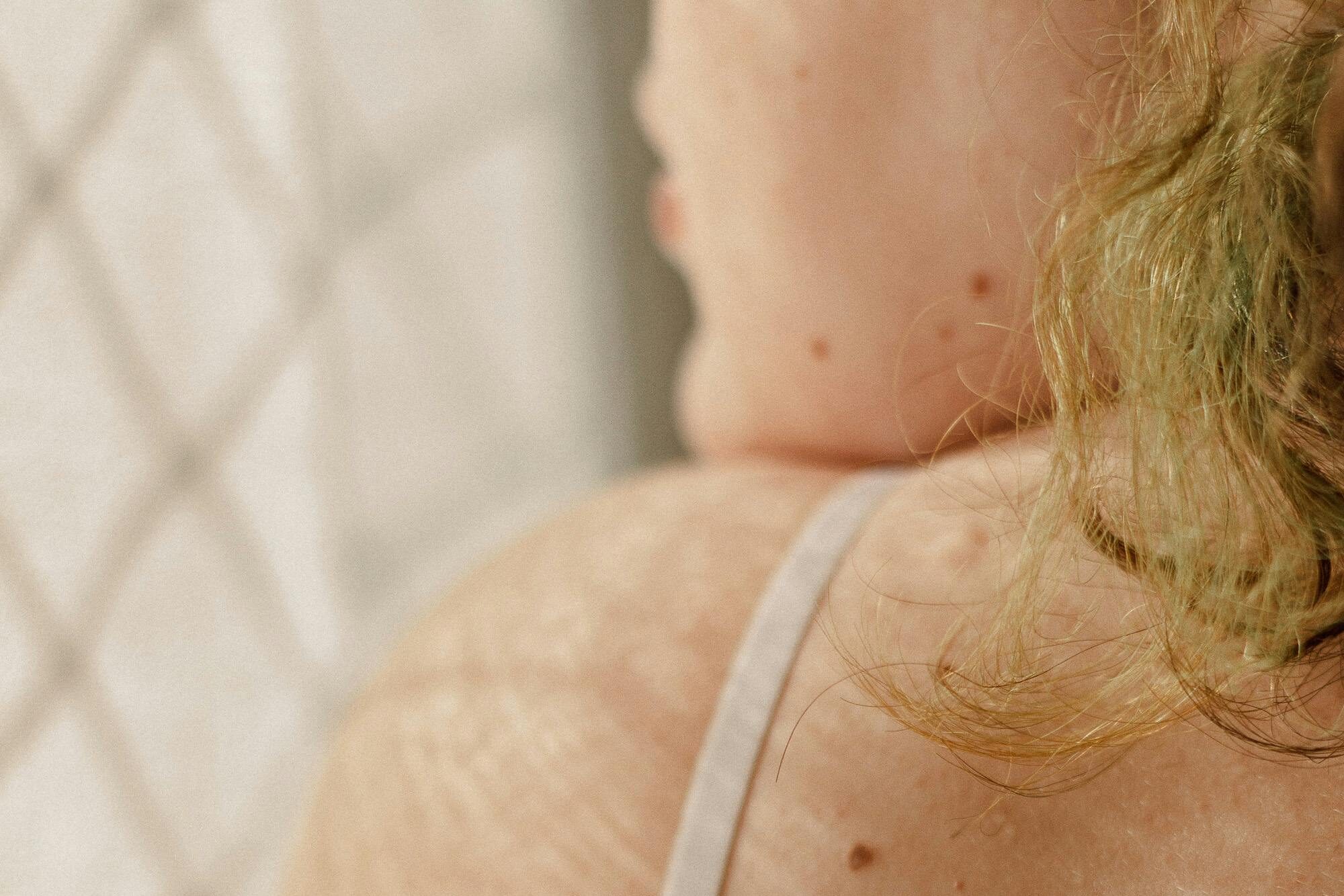
Older fashion advice insisted that if someone could see your bra strap, your outfit was ruined. Entire accessories existed just to hide those little bits of fabric. But with the rise of stylish bralettes, sheer tops, and intentionally visible straps, the rule has all but vanished. People now treat undergarments as part of the styling instead of something shameful to keep hidden.
It’s honestly refreshing to see women reclaim control over something that used to be policed so closely. Straps in fun colors, lace trims, or coordinating designs can add personality to an outfit. The old mindset treated femininity like something that needed to be tucked away. Now, comfort and confidence take priority. Fashion finally evolved, and most people agree it’s better this way.
7. Only Certain Body Types Can Wear Certain Styles

This outdated “rule” told people they needed to hide “flaws,” avoid horizontal stripes, or dress according to some rigid body-type chart. Looking back, it was incredibly limiting and often harmful. It created a culture where people felt embarrassed to try trends they liked. Today, fashion embraces all shapes and sizes far more openly.
Modern style is about celebrating individuality instead of restricting it. People now mix silhouettes, patterns, and cuts without obsessing over rules. Influencers across all body types have proven that style is about expression, not conformity. The idea that anyone is “not allowed” to wear something feels outdated and even offensive. Thankfully, fashion is moving toward inclusivity rather than outdated rules that used to dictate people’s self-worth.
8. Men Must Never Wear Pink

There was a time when pink was considered “too feminine” for men, and it was treated like a strict boundary in fashion. Anything from a pastel shirt to a pair of pink shorts invited odd comments or judgment. Thankfully, that old mentality has almost completely faded. Today, pink is embraced in menswear more than ever, from dress shirts to sneakers to full suits.
It’s interesting because historically, pink wasn’t even gendered the way it became in the mid-20th century. Fashion trends eventually broke the stereotype, helped by celebrities and designers pushing boundaries. Nowadays, a man in pink is seen as stylish and confident rather than rebellious. The shift reminds us how arbitrary these color rules were to begin with. It’s one of modern fashion’s most refreshing corrections.
9. Matching Your Makeup to Your Outfit
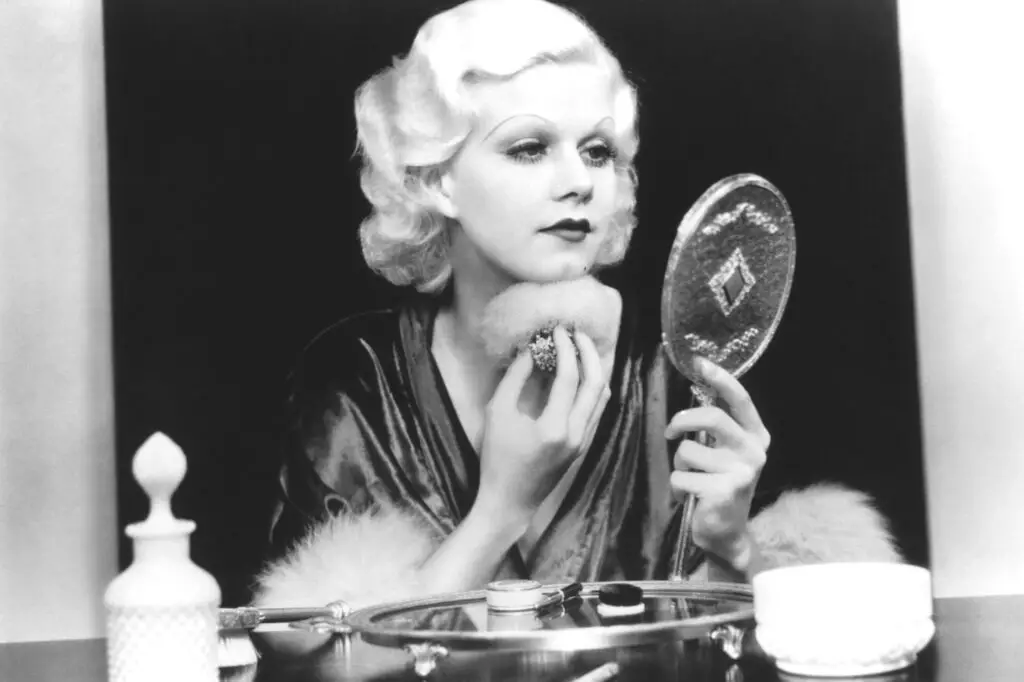
Old-school beauty guides once insisted that your lipstick and eyeshadow should perfectly coordinate with your clothing. If you wore a blue dress, you were expected to reach for blue eyeshadow. The effect wasn’t always flattering, and it definitely boxed people into narrow choices. Today, makeup trends revolve around expression, technique, and what feels good rather than strict coordination.
The old rule feels especially funny now, considering how many modern looks focus on neutrals, glowy skin, or bold lips that stand on their own. Coordinating makeup to every outfit would feel exhausting by today’s standards. People want their makeup to enhance their features, not act like part of a color-matching set. The freedom to experiment without matching every detail shows how much beauty standards have grown up. No one misses the “match your shadow to your sweater” era.
10. Wearing Heels Everywhere
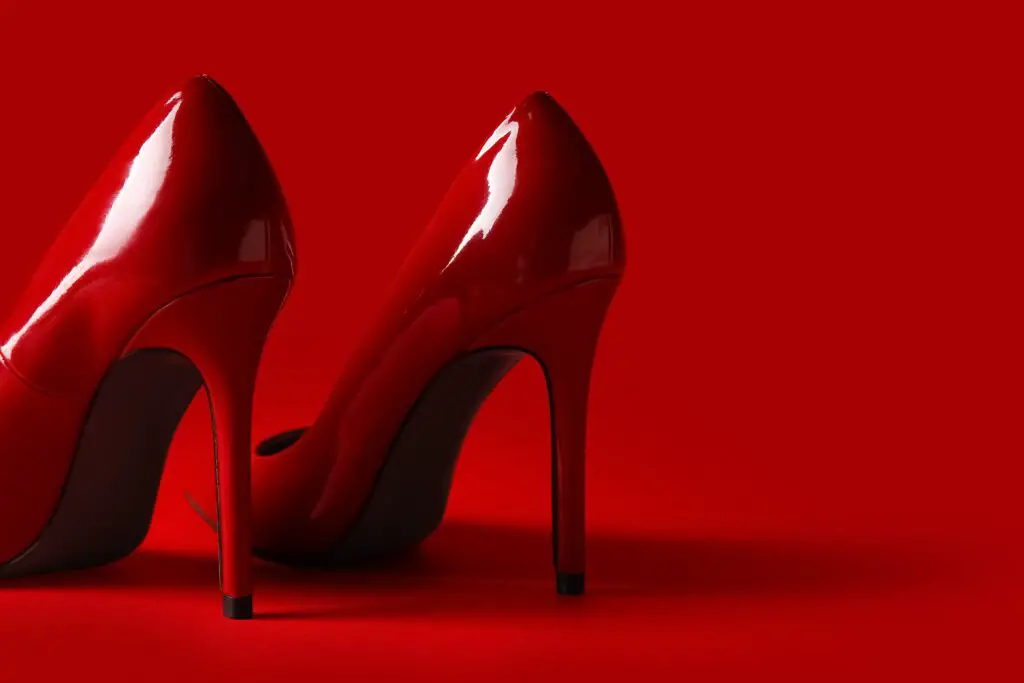
There was a time when women were expected to wear heels to most public events, including work, dinners, and even travel. Flats were viewed as too casual, and sneakers were completely out of the question unless you were exercising. Today, comfort reigns supreme, and even corporate offices have embraced sneakers, loafers, and stylish flats. Heels are now a choice, not a requirement.
Looking back, it’s wild to think about how much pressure women felt to squeeze into uncomfortable shoes just to appear “put together.” Modern fashion has shifted dramatically, with entire brands built around supportive footwear that still looks chic. Celebrities regularly walk red carpets in dressy flats, something that would’ve caused commotion decades ago. The old rule feels downright outdated, especially when health and practicality matter more. The rise of comfortable fashion has completely rewritten the expectations.
11. Women Must Never Wear Pants to Formal Events
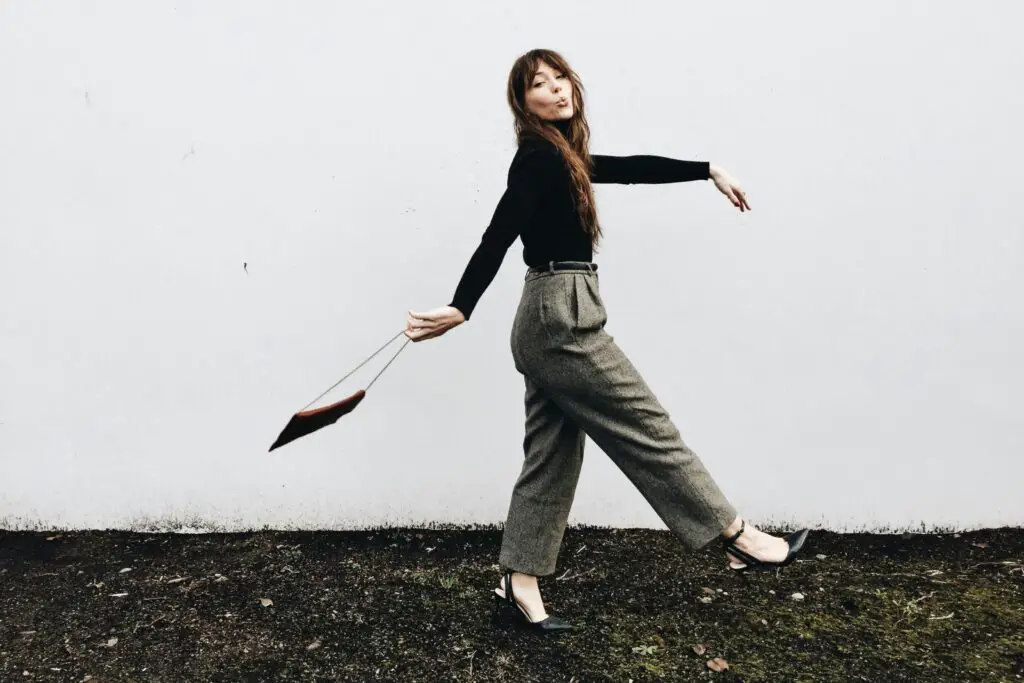
There was a long stretch of history when women wearing pants to anything formal was seen as shocking. Dresses and skirts were considered the only acceptable options, even when they were impractical or uncomfortable. When trailblazers like Katharine Hepburn and later Diane Keaton embraced trousers, people treated it like a scandal. Today, tailored pantsuits are some of the most powerful, elegant options for special events.
It’s amazing how dramatically perceptions have shifted. Modern runways and award shows feature women in tuxedos, jumpsuits, and wide-leg trousers that look just as glamorous as gowns. The rule that women “must” wear dresses feels ancient now. People value confidence and personal style far more than outdated gender expectations. It’s one of the clearest examples of how fashion can evolve in the best ways.
12. “Age-Appropriate” Dressing
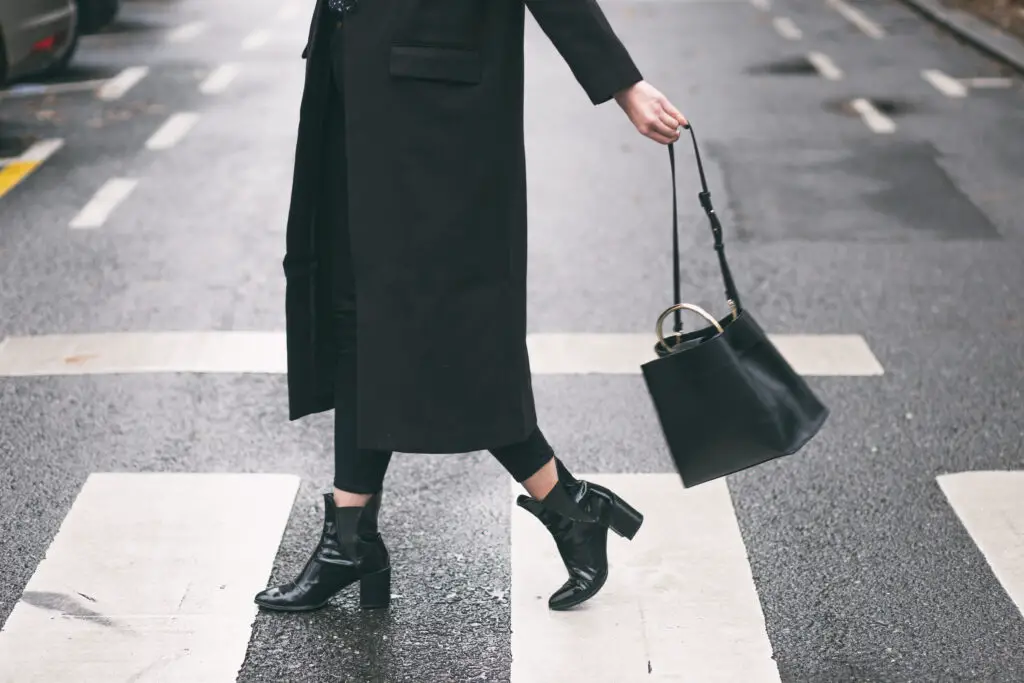
The old fashion rulebook insisted that people “dress their age,” which usually meant toning everything down once you hit a certain number. Bright colors, bold prints, fun accessories, and trendy cuts were reserved for younger people. Now, that mindset feels incredibly limiting, and thankfully, many have rejected it. People of all ages are embracing whatever makes them feel joyful and confident.
Some of the most stylish trendsetters today are over fifty, sixty, and seventy, proving the rule was always ridiculous. Fashion shouldn’t feel like it expires, and personal style doesn’t suddenly disappear at a milestone birthday. Social media has helped showcase diverse style at every age, breaking down old stereotypes. The “age-appropriate” rule is one we’re happy to leave in the past.