
1. A&P
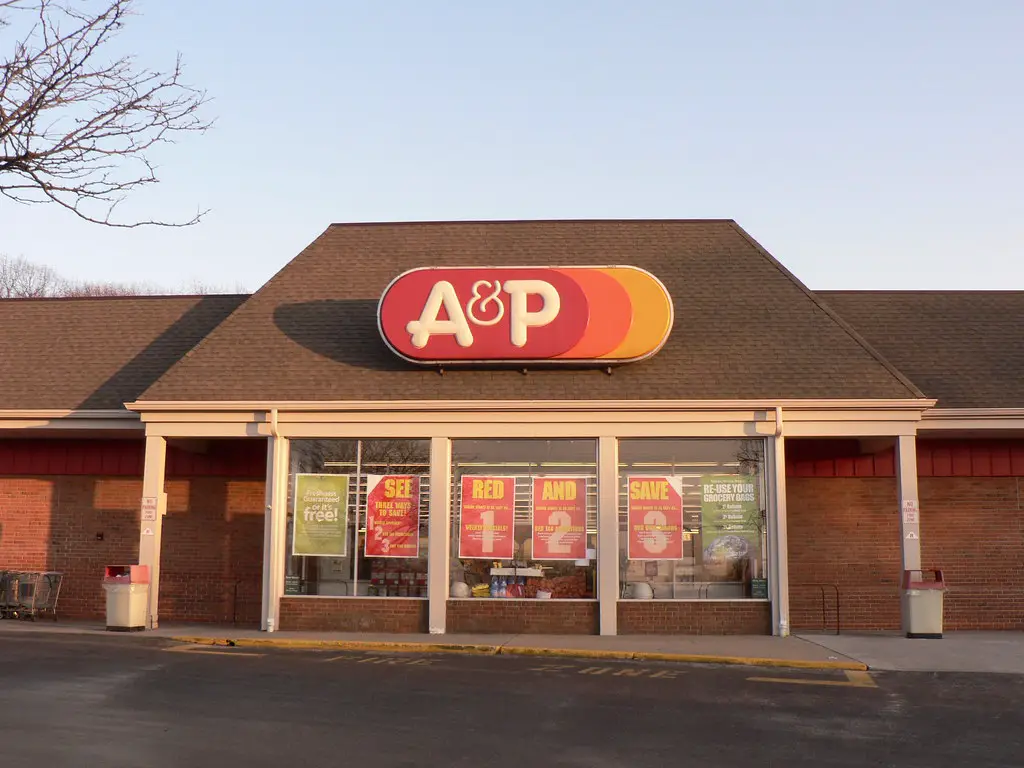
A&P was once so familiar that some families practically considered it a second home, especially in neighborhoods where the iconic red logo signaled affordable groceries. By the ’70s, the company was already struggling to keep up with changing shopping habits and bigger, more modern “superstores” moving into suburban areas. Many shoppers remember their childhood trips there, where clerks still knew customers by name and the aisles felt a little narrower than today’s giant supermarkets. Even so, by the time the ’80s rolled around, A&P was losing ground fast and slowly slipping out of the national spotlight.
As the years passed, attempts to modernize didn’t do enough to reverse the momentum. The company closed hundreds of stores, rebranded in some regions, and pulled back from others completely. By the 2010s, the longtime grocery giant had filed for bankruptcy twice and ultimately shut down entirely. Today, people who grew up with A&P tend to remember it as the grocery store of their childhood, even though it’s been gone for years.
2. National Tea Company
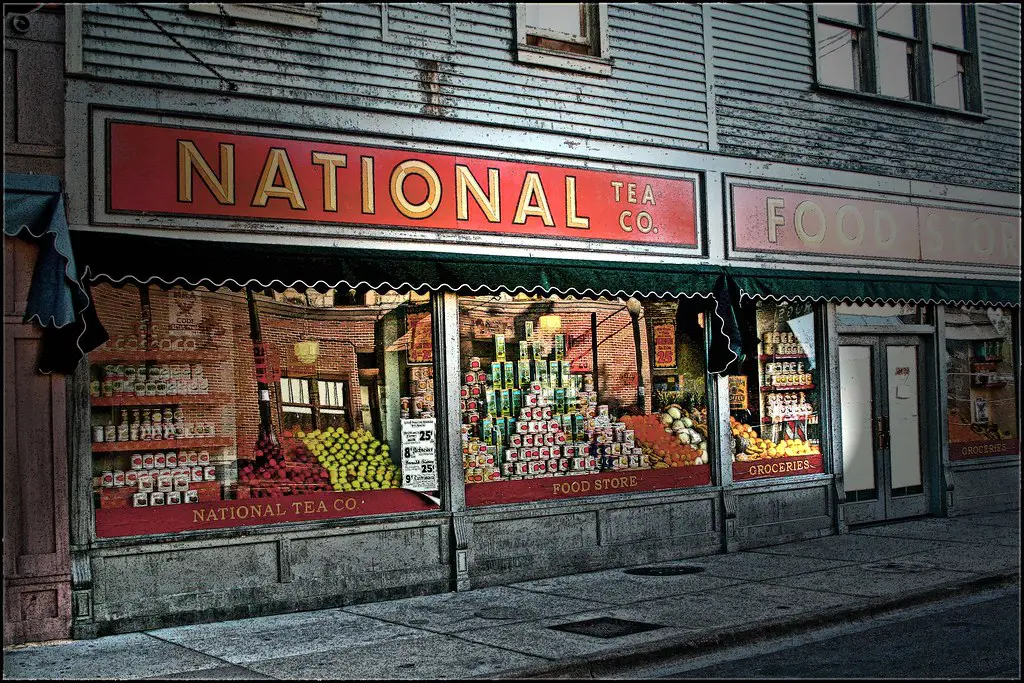
The National Tea Company, sometimes just called “National,” once dotted Midwest cities with its bright red-and-white signage. In the ’70s, it was a solid go-to for families looking for familiar brands and a no-frills shopping experience. The chain had a loyal customer base, but it struggled to keep pace with discount grocers and changing consumer expectations. Stores often felt a bit dated as competitors modernized more quickly.
By the late ’70s and early ’80s, National started closing locations or converting them under different banners. Ownership changes complicated things further, and many stores eventually disappeared entirely. For shoppers who grew up in cities like Chicago or St. Louis, the brand is still a nostalgic memory. Today, it’s one of those names you hear and instantly get transported back to childhood errands with a parent.
3. Penn Fruit
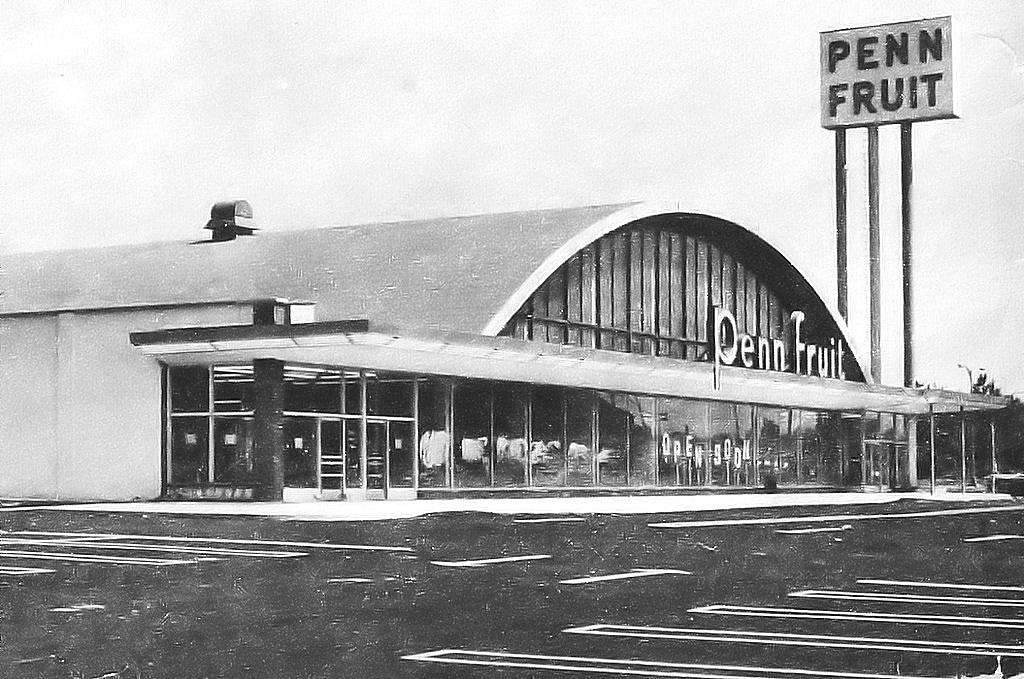
Penn Fruit was a colorful, modern chain known for its bright arch-roof stores that stood out from typical grocery buildings. In the ’70s, families in the Mid-Atlantic region relied on Penn Fruit for deals on produce, meats, and pantry staples. The stores were designed to feel clean and spacious, which helped them compete for a while. But financial problems were mounting behind the scenes, and expansion had been too aggressive.
As costs rose and competition stiffened, Penn Fruit struggled to adapt to the fast-changing grocery world. Many stores were sold off, and others simply shut down as the company pulled back. By the early ’80s, the name had disappeared entirely from the grocery landscape. For people who remember those curved roofs, the brand still sparks a very specific kind of nostalgia.
4. Alpha Beta
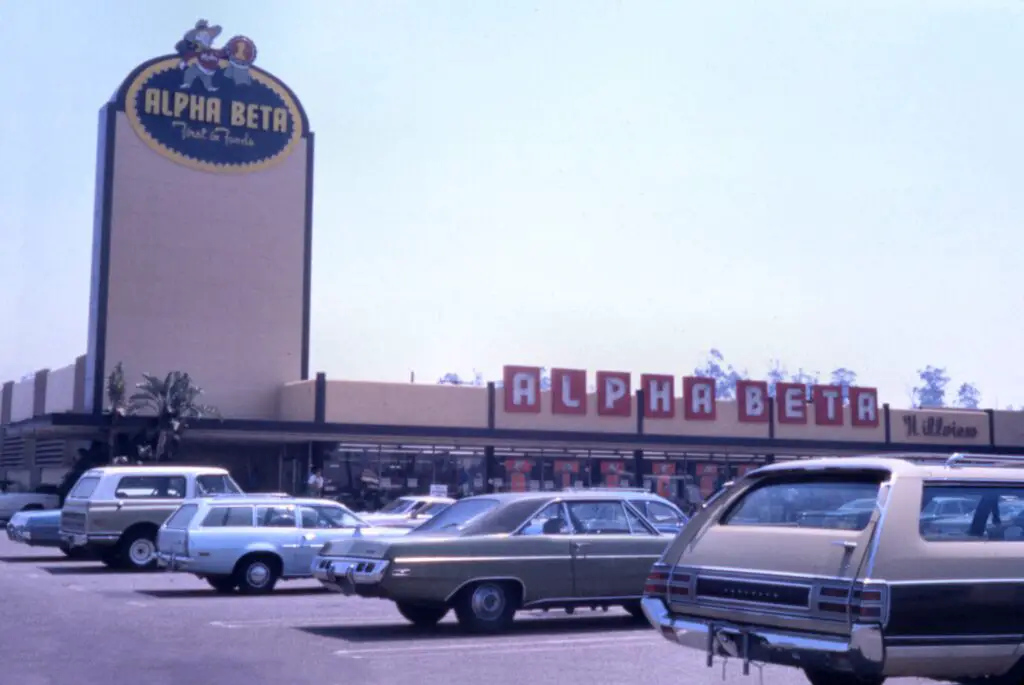
Alpha Beta was a California favorite, known for its orderly layout and the tagline “Tell a friend.” In the ’70s, you could find these stores throughout the West Coast and parts of the Southwest, offering a reliable mix of everyday groceries at reasonable prices. Shopping there felt friendly and straightforward, and many families appreciated the clean, consistent setup. But as larger chains expanded, Alpha Beta had trouble keeping up.
The chain went through multiple ownership changes that slowly chipped away at its identity. Some locations were rebranded as Lucky stores, while others were sold to different companies altogether. By the ’90s, the Alpha Beta name had vanished from storefronts. Today, it’s remembered as one of those once-huge regional brands that quietly slipped out of view.
5. Grand Union
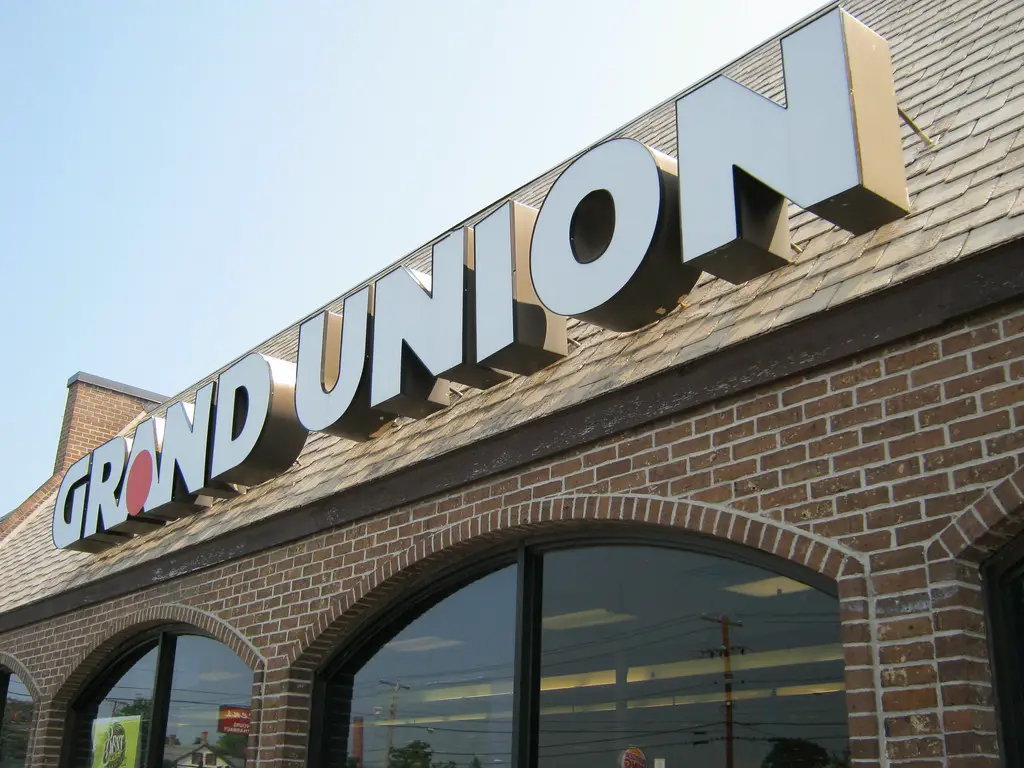
Grand Union was once a major player across the Northeast, especially in New York and New Jersey. In the ’70s, it was the kind of supermarket that felt like a dependable neighborhood stop for weekly groceries. But behind the scenes, the company was wrestling with financial and organizational challenges. Competitors were modernizing quickly, and Grand Union struggled to match their pace.
Through the ’80s and ’90s, Grand Union repeatedly changed ownership and tried to reinvent itself. These efforts brought only temporary relief, and more stores began to close. Eventually, the chain declared bankruptcy multiple times and was absorbed by other companies. Today, it exists mostly as a memory for shoppers who grew up in the Northeast.
6. Red Owl
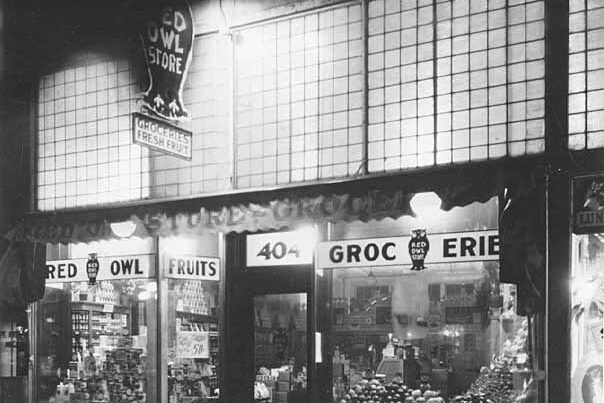
Red Owl was a classic Midwestern chain, and many people loved its friendly owl logo as much as its groceries. In the ’70s, it had a strong presence in states like Minnesota and Wisconsin, where it was known for reliable service and well-stocked aisles. Red Owl stores felt cozy and familiar, but the chain struggled with increasing competition. Larger supermarket brands were expanding aggressively, and Red Owl had trouble keeping up.
During the ’80s, the company began shrinking its footprint as stores were sold or converted into other chains. Eventually, the name disappeared almost entirely, living on only through a handful of independently operated locations. For many Midwestern families, the brand still brings back memories of simpler grocery shopping days. It’s one of those names that instantly sparks nostalgia.
7. Safeway (Eastern Division)
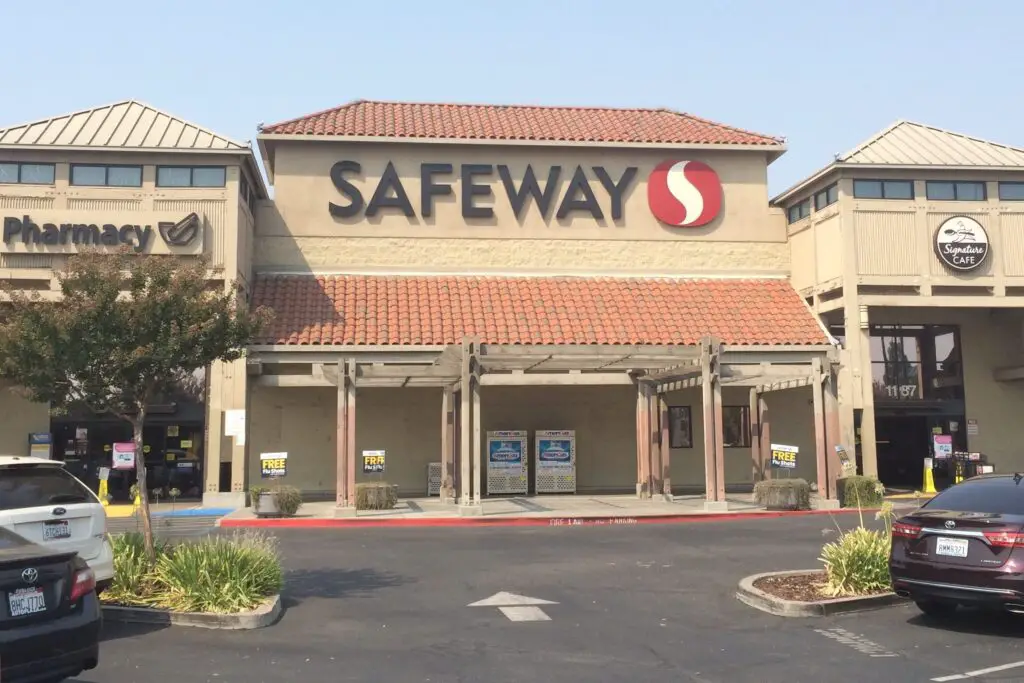
Safeway itself is still around today, but its Eastern Division from the ’70s quietly vanished. In that era, the chain operated many locations across the Mid-Atlantic, offering a familiar big-brand shopping experience. But competition in the region was tough, and Safeway struggled to maintain market share against rapidly expanding rivals. The company eventually faced a difficult decision about where to focus its resources.
In the early ’80s, Safeway sold its entire Eastern Division to Ahold, which converted the stores into the Giant and Foodland chains. For shoppers in states like Maryland and Virginia, Safeway suddenly disappeared even though the brand lived on elsewhere. It’s a reminder of how quickly a once-common storefront can vanish from a neighborhood. Today, only longtime locals remember that Safeway once had a major presence there.
8. Big Bear Stores
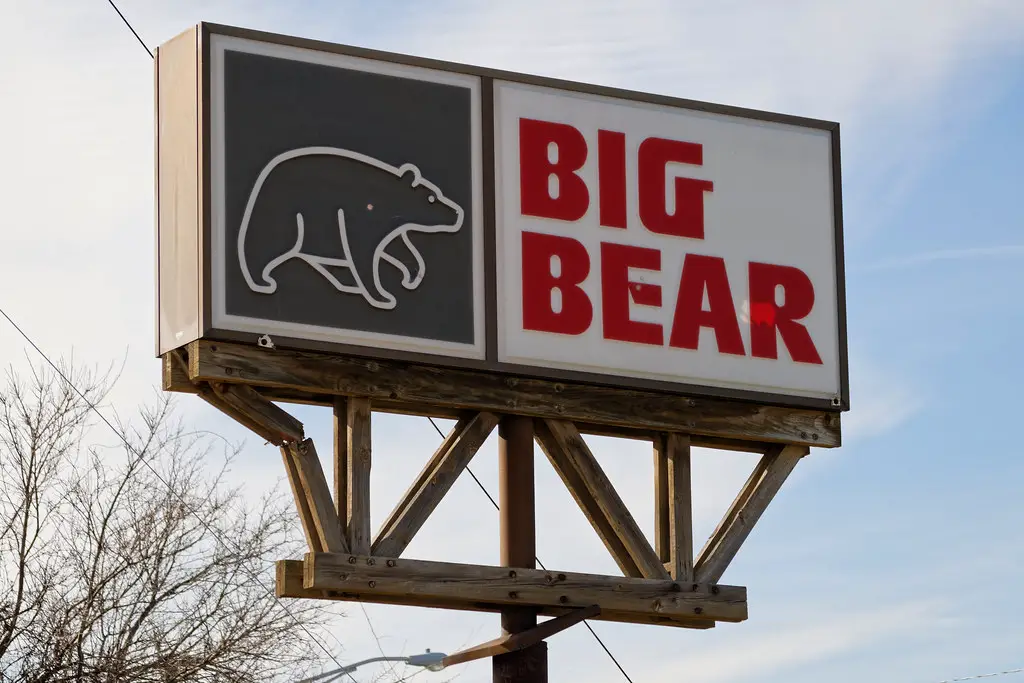
Big Bear was a beloved regional chain in Ohio and parts of West Virginia, known for its playful bear mascot. In the ’70s, many families shopped there for competitive prices and a sense of community connection. Big Bear stores felt accessible and friendly, especially compared to some of the larger, more corporate-feeling supermarkets. But competition increased sharply as national chains expanded through the region.
By the ’90s, Big Bear was feeling financial pressure from all sides, and modernization attempts didn’t fully catch up. Stores closed gradually, and eventually the entire chain disappeared after a bankruptcy in the early 2000s. For locals, Big Bear remains one of those grocery names that instantly sparks warm memories. It’s a good example of how even beloved brands can quietly fade away.
9. Dominion
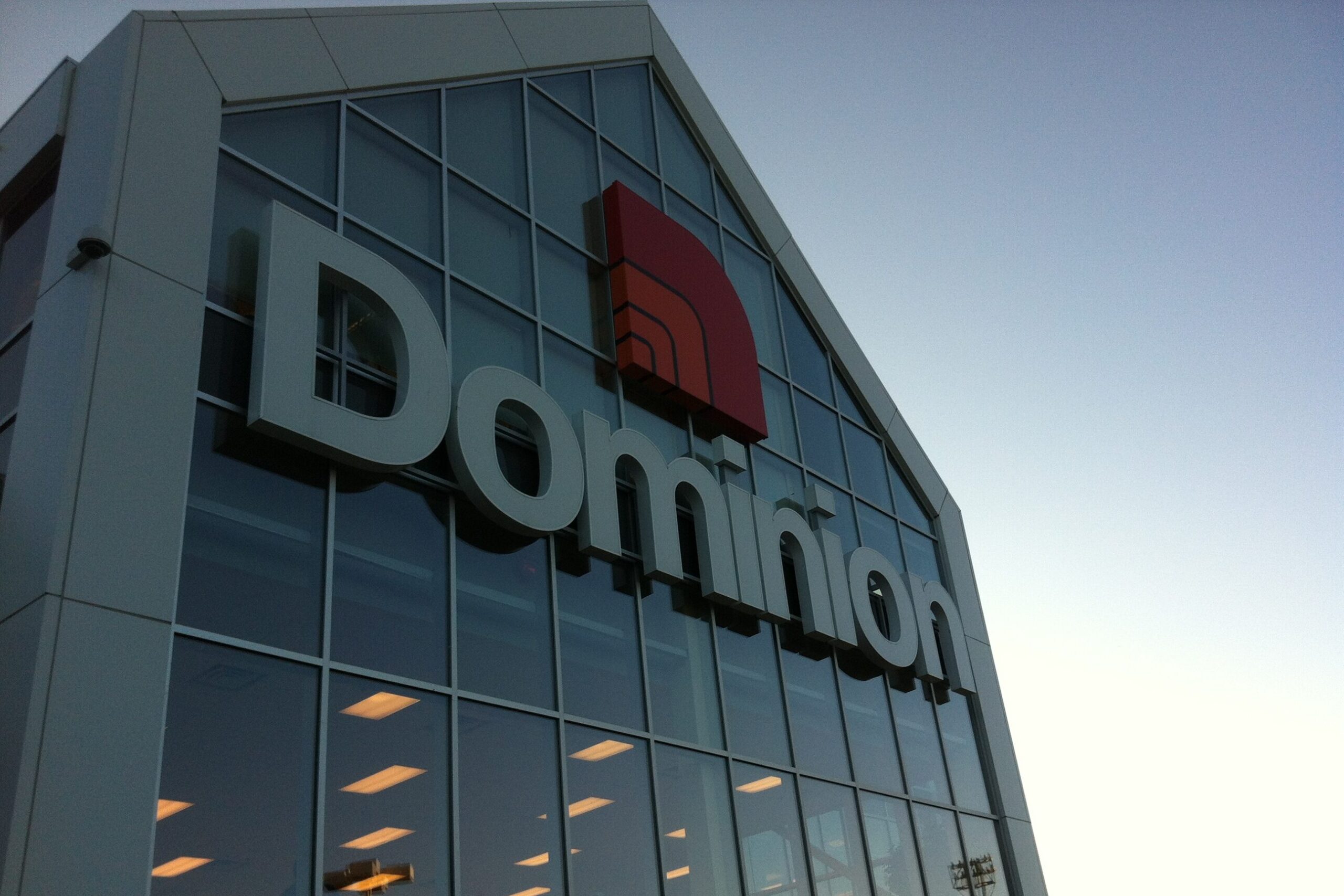
Dominion was one of Canada’s biggest supermarket brands, and many Americans near the border also remember seeing its signs during the ’70s. The chain built a reputation on clean stores, dependable products, and reasonable prices. But Dominion faced increasing pressure from large competitors who were aggressively expanding and updating their stores. Running a huge, aging chain became expensive, and the company had trouble keeping pace.
Over the next few decades, many Dominion stores were sold to other companies or rebranded, especially under the Metro banner. By the late 2000s, the Dominion name had disappeared from most storefronts. For Canadian families, it’s one of those supermarket brands that held on for generations before quietly fading into the past. People still talk about it with surprising affection.
10. Hills Supermarkets

Hills Supermarkets served shoppers across Long Island and the greater New York area. In the ’70s, many families relied on Hills for good weekly deals, especially on produce and bakery items. The chain grew quickly during the mid-century boom but struggled to compete as bigger rivals moved in. Rising costs and increased competition made it difficult for Hills to keep up.
By the mid-’70s, the chain was facing serious financial strain and ultimately collapsed. Many locations were quickly snapped up by competitors or shuttered entirely. Today, Hills is one of those names you hear from longtime Long Islanders recalling grocery runs from their childhood. It’s a brand that vanished fast but left behind vivid memories.
11. White Front
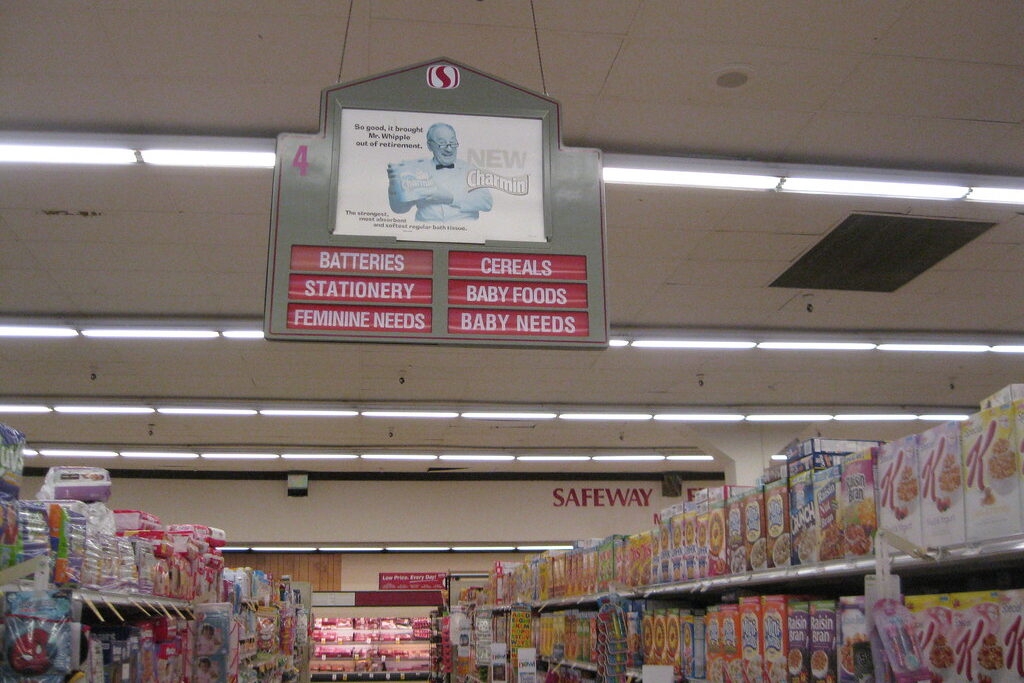
White Front began as a discount department store but operated grocery sections that families throughout California shopped in regularly. In the ’70s, it was known for its big, bright storefronts and wide aisles that carried everything from produce to household goods. But the chain expanded too quickly and struggled to maintain profitability. Mismanagement and financial issues piled up.
By the early ’70s, White Front closed many of its locations and eventually disappeared entirely from the West Coast retail landscape. Some stores were converted into other chains, while others sat vacant for years. For many Californians, the name still evokes memories of weekend shopping trips. Even though it didn’t last long past the ’70s, it made a lasting impression.
12. Pantry Pride
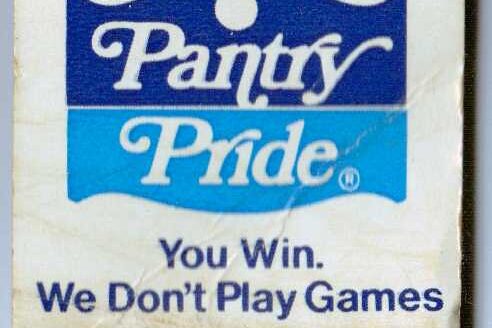
Pantry Pride was a major chain in the Mid-Atlantic and Florida, known for its bright orange logo and discount-focused approach. In the ’70s, it attracted budget-minded families who appreciated its straightforward, no-nonsense style. But as larger national chains gained strength, Pantry Pride found it hard to compete. Its stores often needed updates, and the company faced recurring financial problems.
In the ’80s, the chain rebranded some stores and sold others as it tried to survive. Most locations eventually closed, marking the end of the once-widespread name. Shoppers who grew up with Pantry Pride still recall the logo and old-school feel of the stores. It’s one of those brands that disappeared gradually enough that people didn’t realize it was gone until it was too late.
13. Food Fair
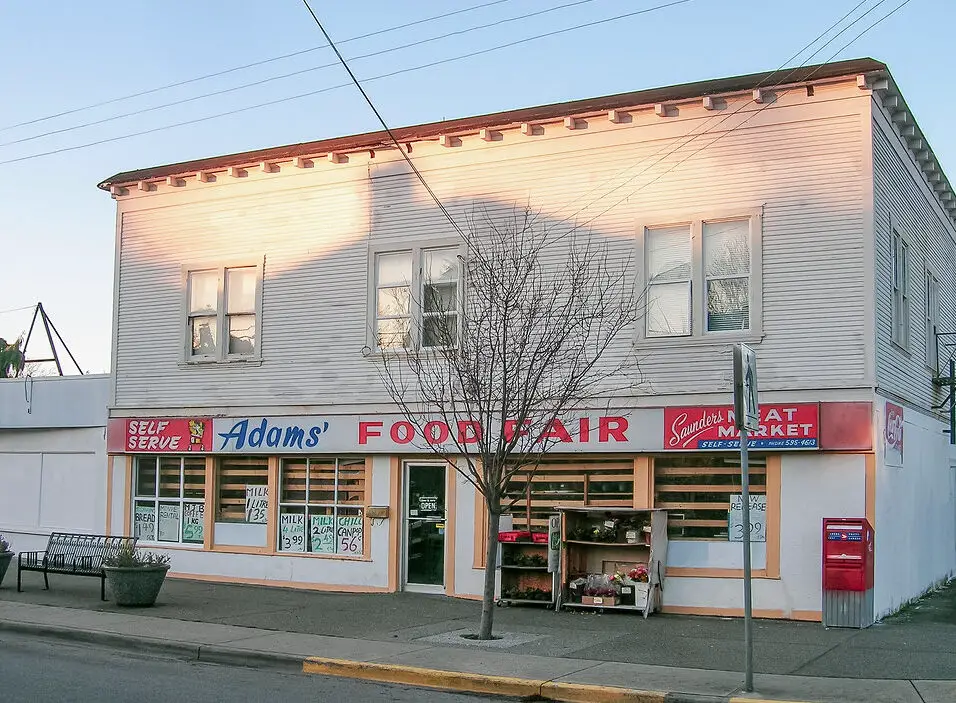
Food Fair was a well-known chain across the East Coast, especially in the Mid-Atlantic and parts of the South. In the ’70s, shoppers appreciated its mix of national brands and affordable store products, making it a reliable stop for weekly groceries. But the chain grew too quickly and took on more financial strain than it could handle. Changing shopping habits and competition from newer, flashier supermarkets didn’t help either.
By the mid-’70s, Food Fair began closing stores or converting them to its Pantry Pride banner as a last-ditch effort to stay afloat. The rebranding bought some time, but not much, and eventually the company shrank dramatically. Many locations quietly disappeared over the next decade. For longtime East Coasters, Food Fair remains one of those names that sparks instant nostalgia for a very different grocery era.
14. Skaggs-Albertsons
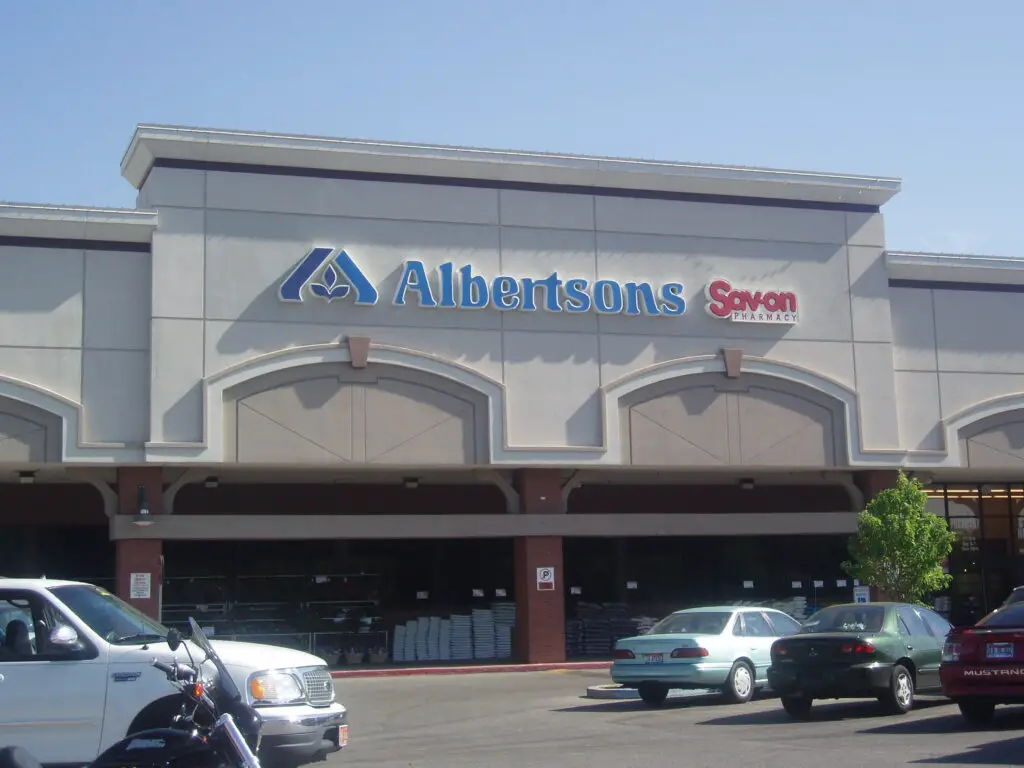
Skaggs-Albertsons was a joint venture that made a splash across the West and Southwest in the ’70s. The stores offered a blend of low prices and modern layouts that appealed to families looking for convenience. But the partnership between Skaggs and Albertsons didn’t last long, even though shoppers liked the combined concept. Business disagreements and competing plans for expansion caused friction behind the scenes.
By the late ’70s, the partnership dissolved, and the stores were split up, sold, or rebranded under the Albertsons name. The Skaggs-Albertsons brand disappeared almost overnight, even though the individual companies lived on in various forms. Many Western shoppers remember the name even if they’re not quite sure when it vanished. Today, it’s a reminder of a short-lived but memorable moment in grocery history.
15. Red & White Food Stores
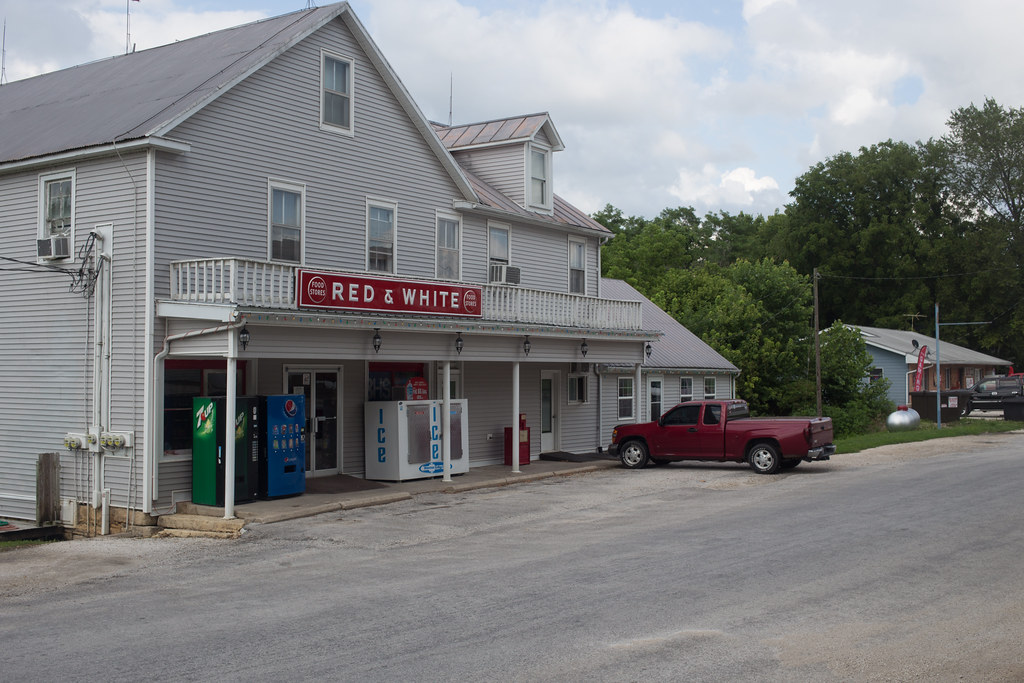
Red & White Food Stores were once a familiar sight in small towns across America, especially throughout the South and Midwest. In the ’70s, these stores weren’t flashy, but they were dependable, with shelves stocked by a cooperative that gave independent grocers access to national brands. People liked the personal, neighborly feel of a Red & White store, where the owner might bag your groceries or ask about your family. But that same small-scale setup made it hard for them to compete with the rapidly growing supermarket chains.
As big-box retailers and modern supermarkets expanded, many Red & White stores simply couldn’t keep up with new technology, larger inventories, and aggressive pricing. The cooperative model survived in some form, but the recognizable storefronts slowly faded from sight. By the ’80s and ’90s, most locations had either closed or converted to other independent banners. For many rural shoppers, the Red & White sign is a nostalgic reminder of a slower, more personal grocery era that quietly disappeared.
16. Weingarten’s
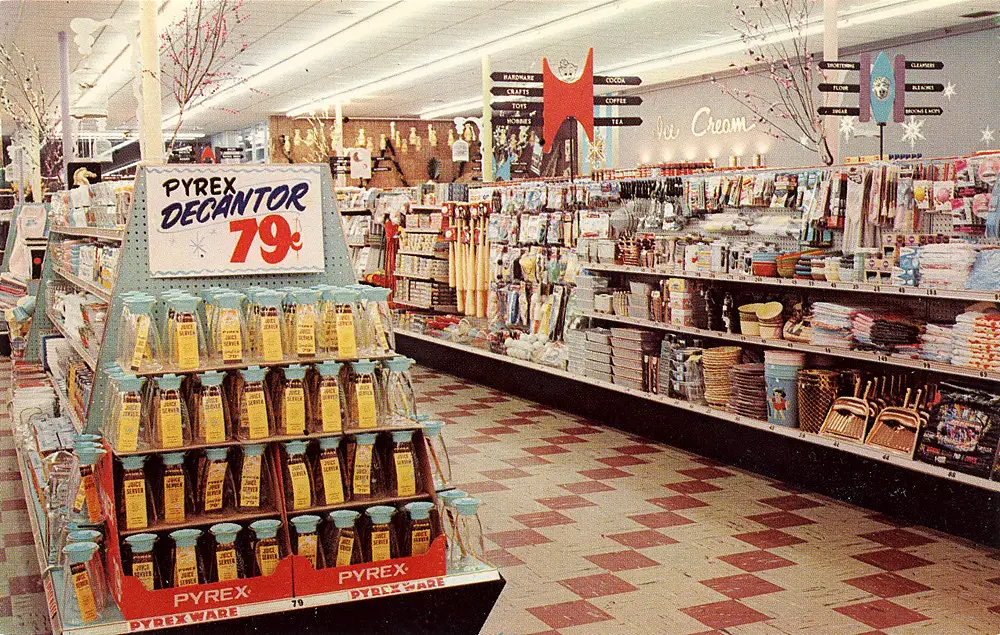
Weingarten’s was a major grocery name in Texas and parts of the Gulf Coast during the ’70s. Families loved its clean stores, dependable service, and strong selection of both national and local products. For many Texans, Weingarten’s was woven into the rhythm of everyday life. But larger national chains began spreading rapidly, and competition heated up fast.
By the early ’80s, Weingarten’s sold all of its grocery operations to Safeway, which converted most locations under new banners. Once the sale went through, the Weingarten’s name vanished from storefronts entirely. But it didn’t disappear from memory, and longtime residents still talk about the chain with genuine fondness. It remains one of Texas’s most missed grocery names.
17. Lucky Stores (Midwest Division)
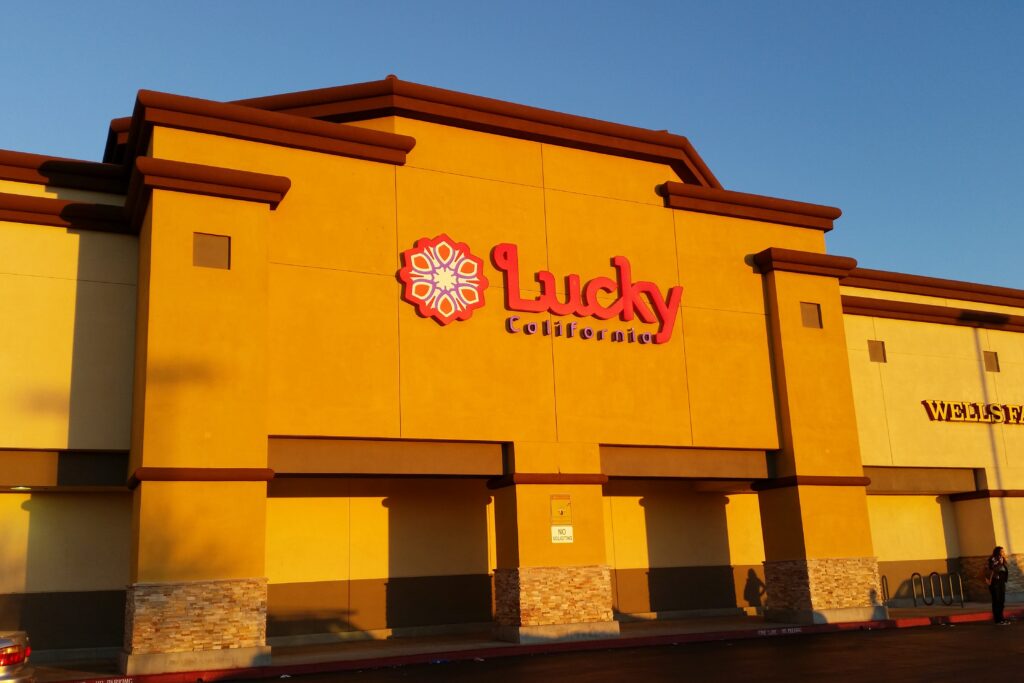
While Lucky Stores remained strong out West, its Midwest Division quietly faded away after a brief run. In the ’70s, the chain attempted to expand into Midwestern markets, hoping to capture the same success it had in California and Nevada. But the competition was fierce, and Lucky struggled to break into regions already dominated by local favorites. The stores never quite felt like they fit in.
By the early ’80s, the company pulled out of the Midwest entirely and sold or shuttered the locations. The Western branches survived for years, but the Midwest version disappeared without much fanfare. For shoppers who lived near those short-lived stores, it’s a name they remember hearing but haven’t seen in decades. It’s one of those expansions that just didn’t stick.
18. Finast

Finast, short for “First National Stores,” served New England and parts of the Mid-Atlantic, and many families shopped there throughout the ’70s. It had deep roots in the region, often remembered for its friendly, community-based feel. But like many older chains, Finast found it difficult to modernize quickly enough to keep up with rising competition. Larger supermarket companies were investing heavily in updated layouts and technology.
In the ’80s and ’90s, Finast stores were gradually rebranded under new ownership, often becoming Edwards or Stop & Shop locations. Over time, the Finast name disappeared completely, even though some former stores continued operating under different banners. People who grew up in New England still remember the name with a kind of quiet affection. It’s another example of a hometown grocery brand that quietly slipped into the past.