
1. Montgomery Ward
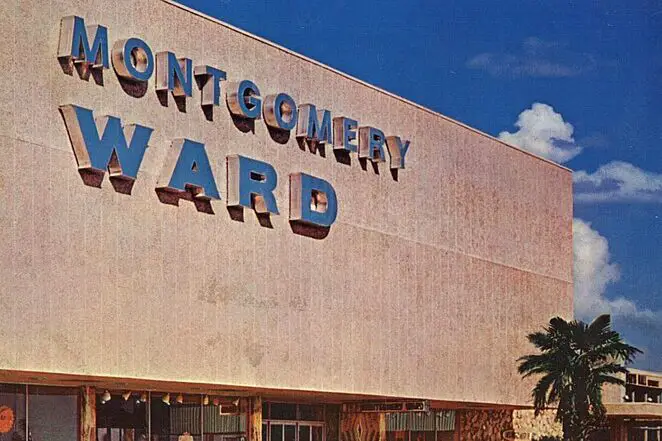
For generations, Montgomery Ward was a household name. Starting out as a mail-order catalog in the late 1800s, it quickly became a place where families could buy just about anything. By the mid-20th century, Wards stores were staples of shopping malls and downtown strips. Families would walk the aisles for clothes, appliances, and even bicycles, making it a one-stop shop long before big-box chains took over.
The decline started in the 1980s when competition from Sears and later Walmart cut into its market. By 2001, Wards shut down its physical stores, and many malls suddenly had massive empty spaces. For those who grew up with the store, though, memories of its catalogs arriving in the mail are just as vivid as the smell of popcorn and new shoes when you walked inside. It may live on as an online brand, but the in-person shopping magic is gone.
2. Woolworth’s
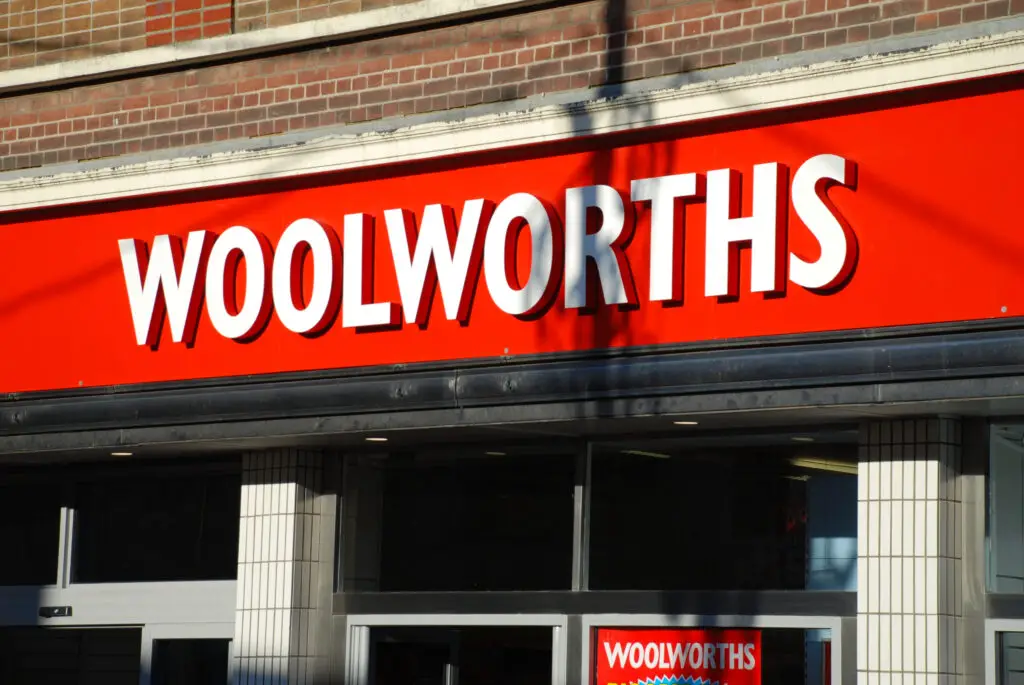
Woolworth’s was once known as “the five-and-dime,” a place where kids could spend pocket change on candy, toys, and little treasures. It wasn’t just a store, it was a cultural gathering spot. Many locations even had lunch counters where families could grab a burger or ice cream float after shopping.
By the 1990s, Woolworth’s couldn’t keep up with evolving retail trends. Discount giants and specialized stores pulled shoppers away, and in 1997, it closed its U.S. stores for good. Still, the nostalgia lingers, especially for those who remember the thrill of finding something fun for just a dime. The Woolworth’s lunch counter remains a particularly fond memory for many.
3. Gimbels
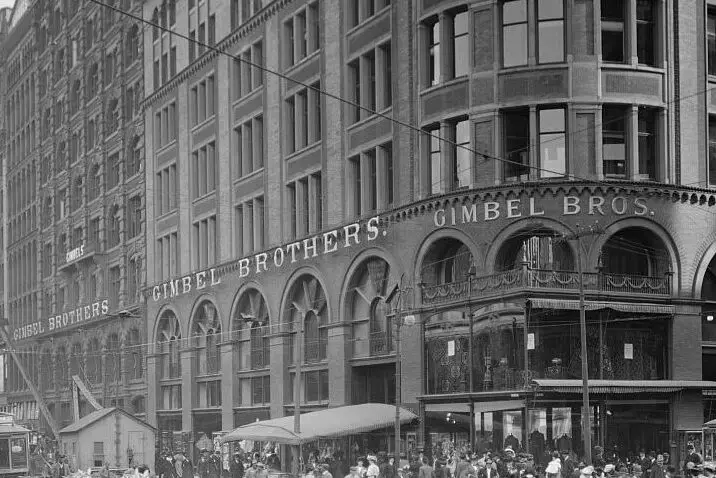
Gimbels may be gone, but its name still rings a bell for anyone who remembers the famous rivalry with Macy’s. Founded in the mid-1800s, it became a powerhouse in cities like New York and Milwaukee. Gimbels was famous for its parades, flashy window displays, and the thrill of shopping during the holidays.
The rivalry with Macy’s was so iconic it even made its way into Miracle on 34th Street. Sadly, Gimbels couldn’t compete with changing shopping habits and declining department store popularity. By 1987, it shuttered all its stores. The name may have disappeared, but for many, it remains tied to an era when department stores defined American city life.
4. Hudson’s
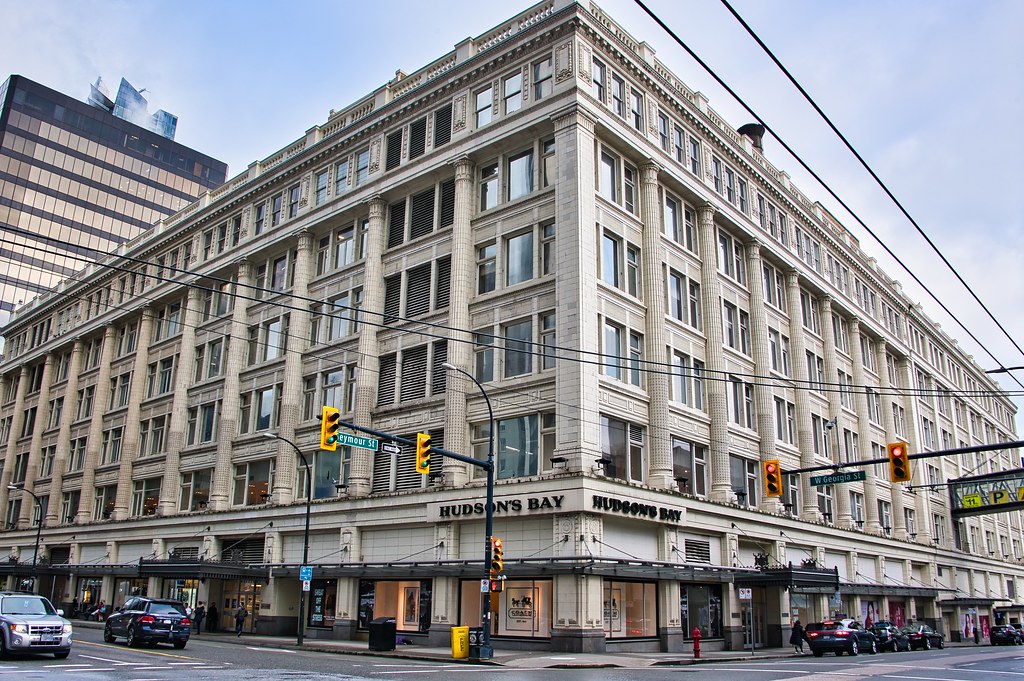
Detroit residents still speak fondly of Hudson’s, once the crown jewel of downtown shopping. At its height, Hudson’s flagship store was the second-largest department store in the world, sprawling across multiple floors. It was the place to go for holiday shopping, with elaborate window displays and massive Christmas parades.
But as shoppers flocked to the suburbs, Hudson’s couldn’t keep its downtown dominance. The flagship closed in 1983, and the rest of the stores eventually rebranded under other names. Detroit’s skyline feels emptier without it, though many people still remember riding the escalators and feeling like they were in a palace of retail. Hudson’s wasn’t just a store, it was an experience.
5. Marshall Field’s
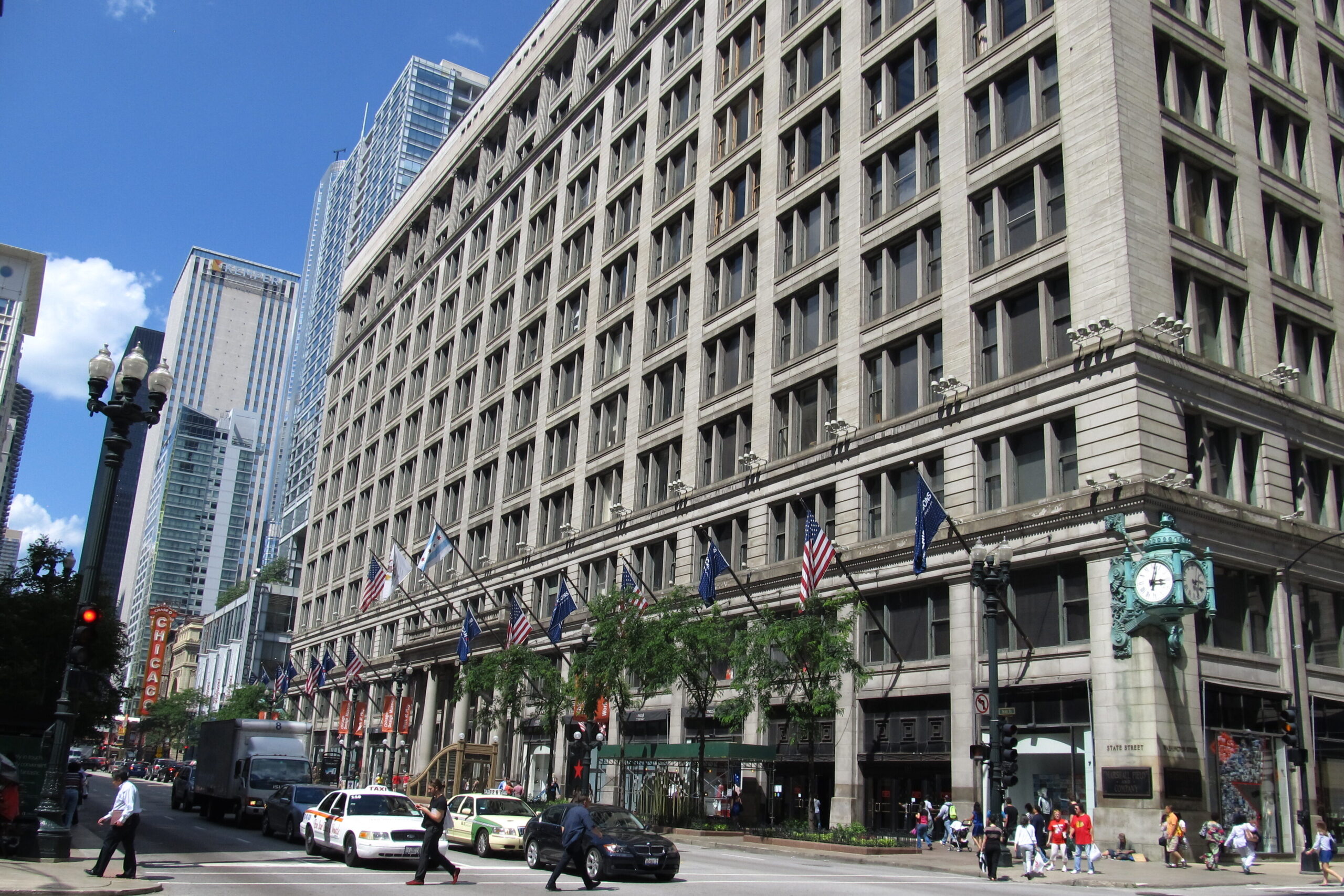
Chicago’s Marshall Field’s was legendary, especially during the holidays. The flagship store on State Street was a destination all its own, complete with its iconic clock and holiday windows. Families would make a day of it, eating at the Walnut Room under the giant Christmas tree before browsing the toy department.
In 2006, Macy’s rebranded all the Marshall Field’s stores under its own name, sparking outrage from loyal Chicagoans. For locals, it wasn’t just about the merchandise, it was about tradition. Even now, many still refuse to call the flagship anything but Marshall Field’s. It represented the heart of Chicago retail, and losing its name felt like losing a piece of history.
6. Bonwit Teller
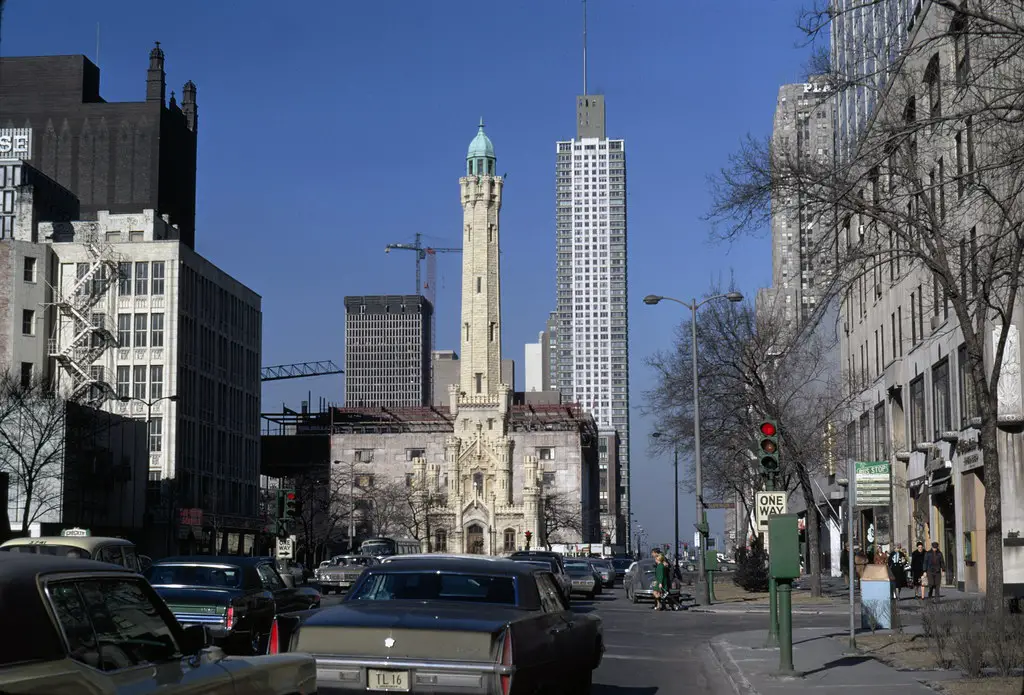
Bonwit Teller was once synonymous with luxury. It catered to women looking for high fashion and elegant accessories, with stores in major cities like New York and Chicago. The brand had an aura of sophistication, attracting glamorous clientele.
But luxury department stores had to evolve, and Bonwit Teller struggled to keep up. After a series of ownership changes, the chain disappeared by the late 1980s. The flagship New York store was even demolished to make way for Trump Tower. For those who shopped there, Bonwit Teller remains a symbol of a more refined era of retail.
7. Mervyn’s
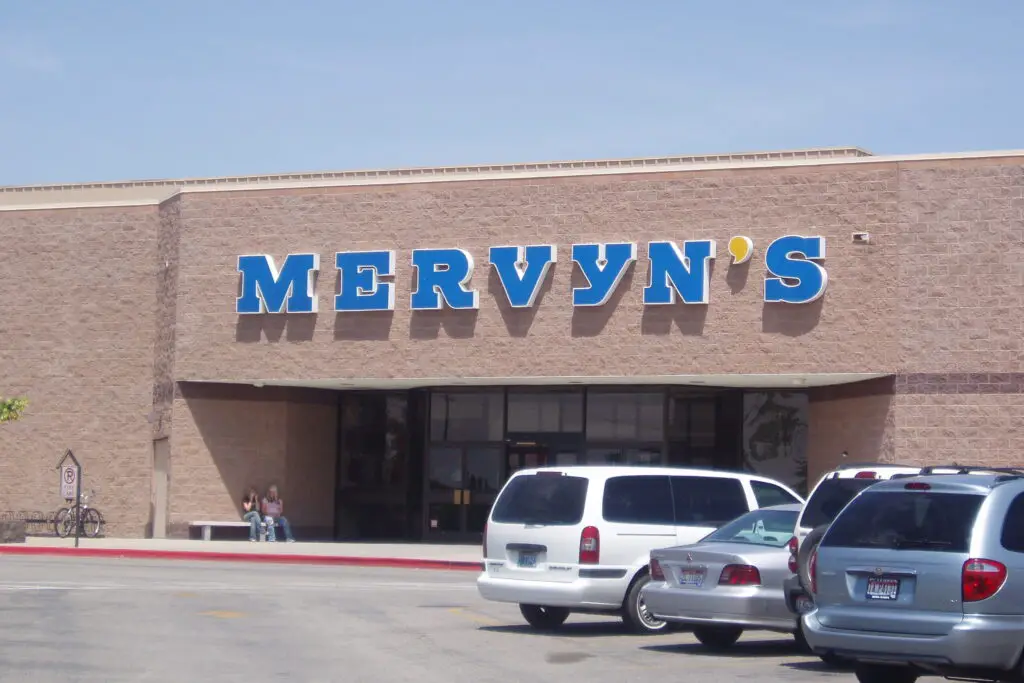
For suburban families, Mervyn’s was the go-to spot for affordable clothes and back-to-school shopping. It offered trendy styles without breaking the bank, which made it especially popular among parents. Many kids wore Mervyn’s jeans and sneakers throughout the ’80s and ’90s.
Unfortunately, competition from bigger discount retailers like Target and Kohl’s made Mervyn’s struggle. By 2008, the chain shut down completely, leaving behind empty storefronts in many malls. Shoppers still remember its commercials with the “Open, open, open” tagline. For many families, Mervyn’s was simply part of growing up.
8. Filene’s
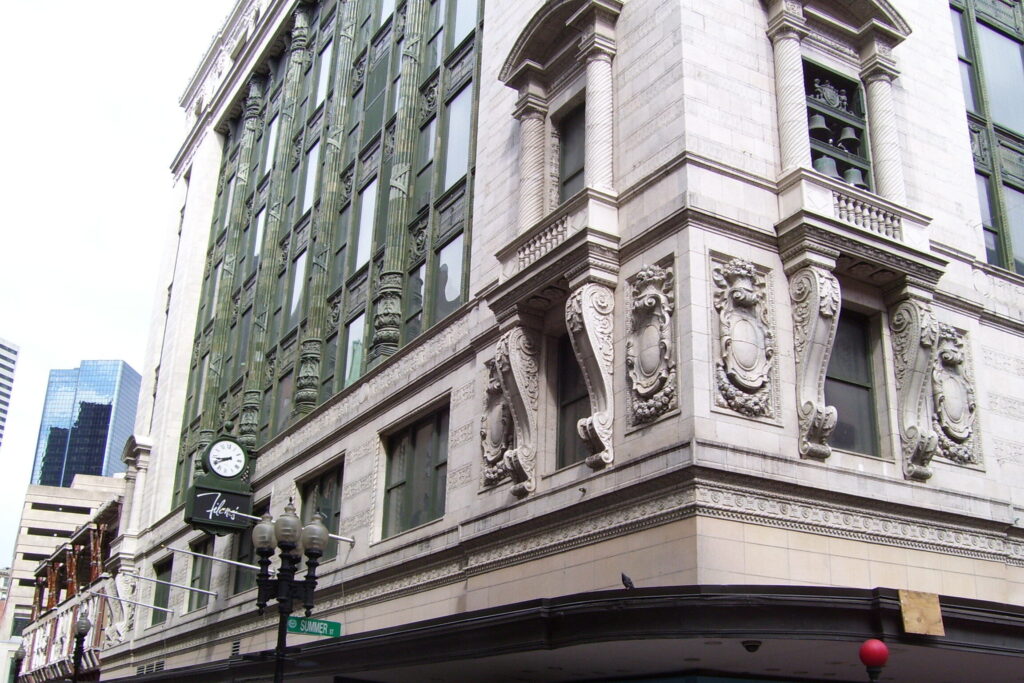
Boston natives still get misty-eyed about Filene’s, especially the famed “Filene’s Basement.” The Basement was famous for its automatic markdowns, where clothes were discounted the longer they stayed on the racks. Bargain hunters would scour the racks for designer deals, turning shopping into a bit of a treasure hunt.
The main store itself was a proud Boston landmark, anchoring downtown shopping. In 2006, Federated Department Stores (now Macy’s, Inc.) absorbed Filene’s, and its locations were either rebranded or closed. While the name is gone, shoppers still share stories about scoring an unbelievable deal in the Basement. For Boston, it was more than a store, it was part of the city’s identity.
9. Ames
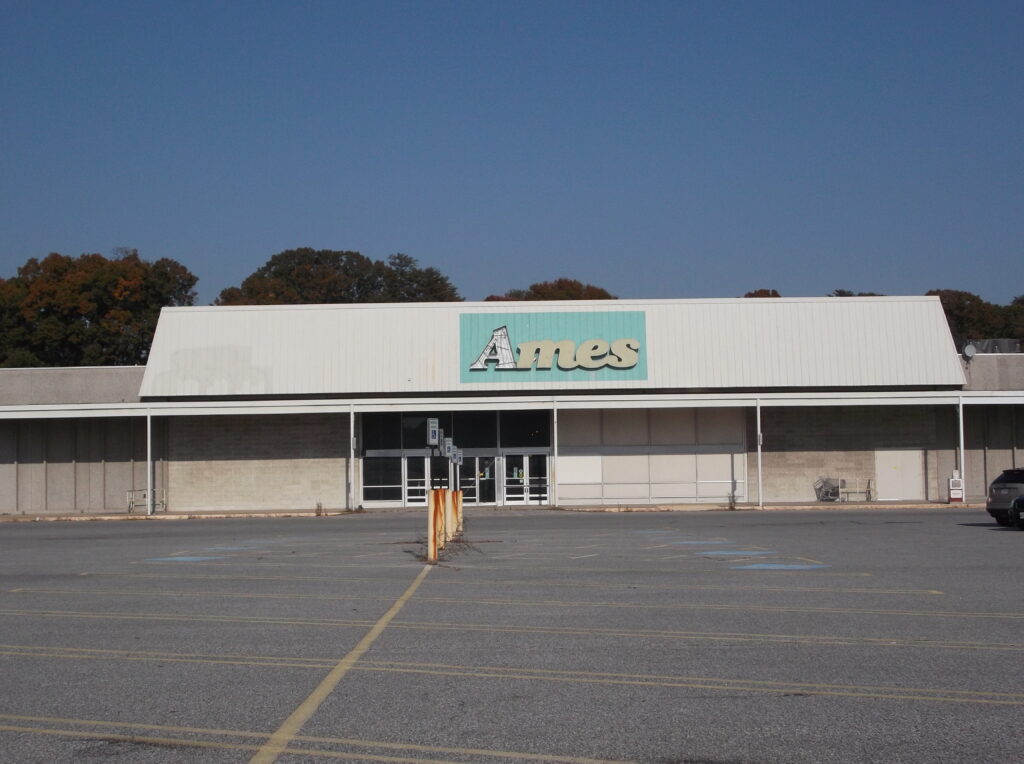
While not as glitzy as some of the bigger department stores, Ames had its own loyal following. It was especially popular in the Northeast, where families would stop in for everything from toys to clothes to holiday decorations. The store was known for being affordable and accessible.
In the ’90s, Ames began expanding rapidly, even buying out other chains like Hills. But the growth proved too much, and by 2002, the company filed for bankruptcy and closed all stores. For many, Ames was where you bought school supplies or picked up holiday gifts at the last minute. It may not have been fancy, but it was reliable.
10. Jordan Marsh
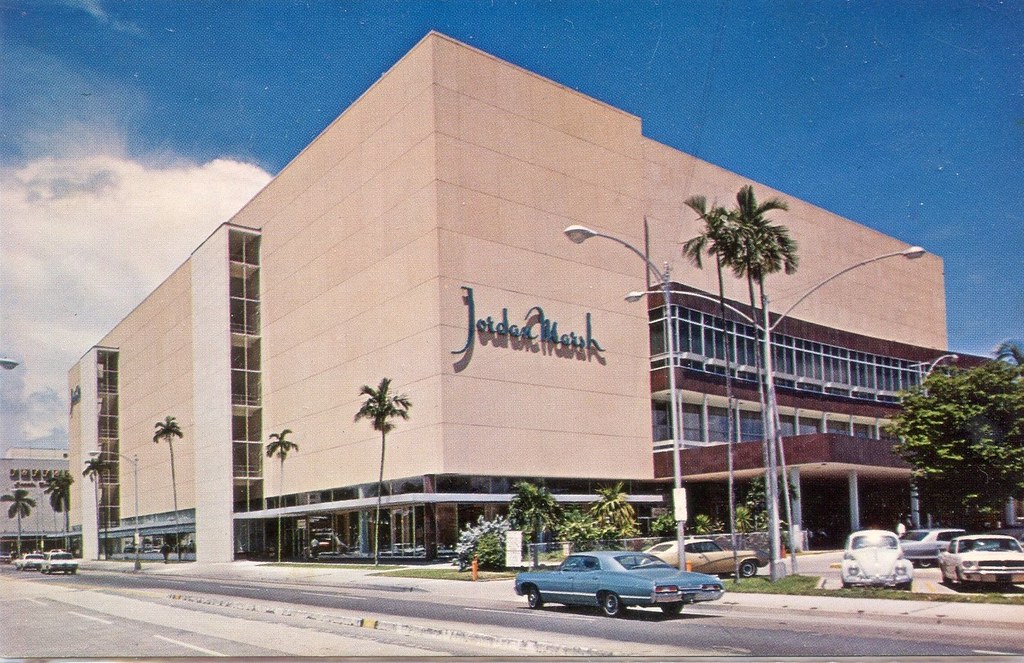
Jordan Marsh was another Boston icon, beloved for its holiday traditions. The flagship store downtown had a famous Enchanted Village display, drawing families year after year to see the festive decorations. It was as much about the experience as the shopping.
Over time, though, Jordan Marsh was acquired and eventually rebranded into Macy’s, erasing the name but not the memories. Bostonians still talk about the Enchanted Village, which has since been preserved elsewhere. For shoppers who grew up with it, Jordan Marsh was about community and holiday spirit as much as retail.
11. Hills
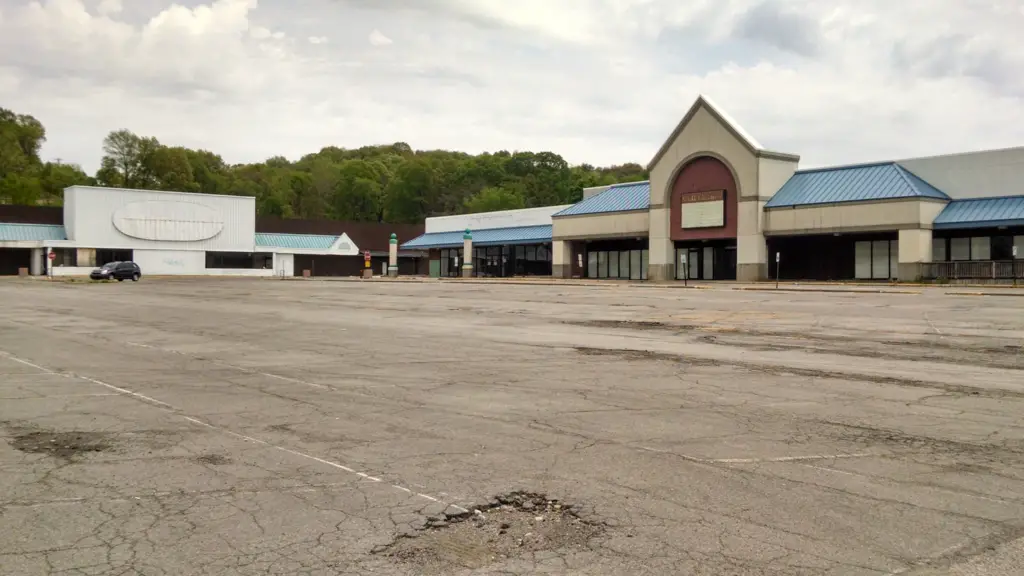
For kids in the ’80s and ’90s, Hills was almost magical. The commercials always promised that “Hills is where the toys are,” and the toy aisles lived up to the hype. Parents loved the store for affordable clothes and household goods, making it a convenient family stop.
But like many regional chains, Hills couldn’t compete with the rise of Walmart and Target. The brand was bought out by Ames in the late ’90s, and by the early 2000s, it was gone completely. Still, many people smile when they remember getting an Icee and popcorn while shopping at Hills. It was the little things that made it special.
12. Zayre
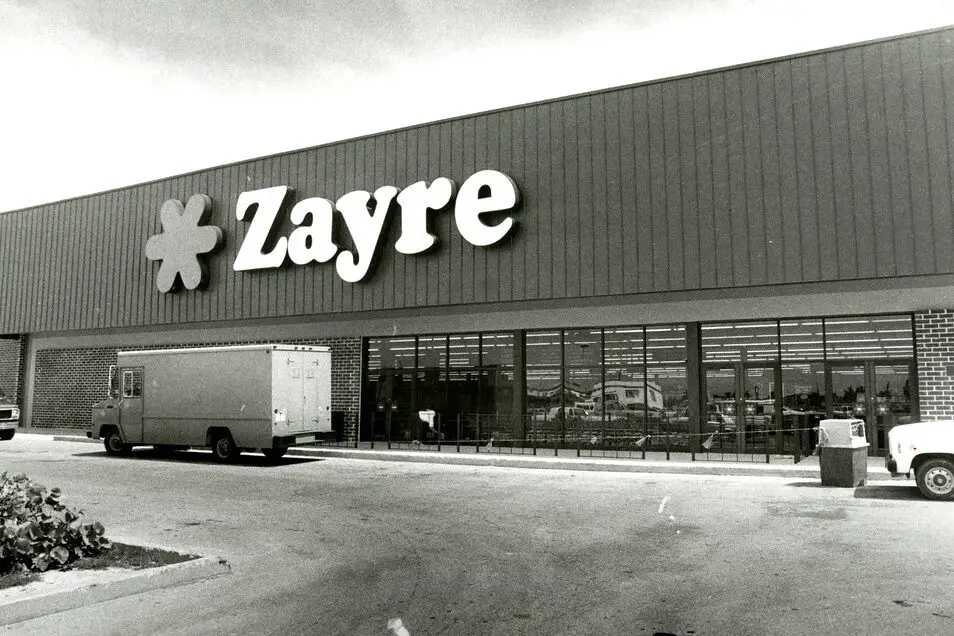
Zayre was another discount department store chain that thrived in the Northeast and Midwest. Its big, boxy buildings were filled with everything from fashion to electronics, and many families relied on it for everyday needs. It was especially known for its budget-friendly prices.
By the late ’80s, though, Zayre was losing steam. The stores were sold off and rebranded under other names, mostly as TJ Maxx or Ames locations. Today, the Zayre name might not mean much to younger generations, but for those who grew up with it, it was a regular part of shopping trips. Bargain hunting at Zayre was a weekly routine for many.
13. Robinsons-May
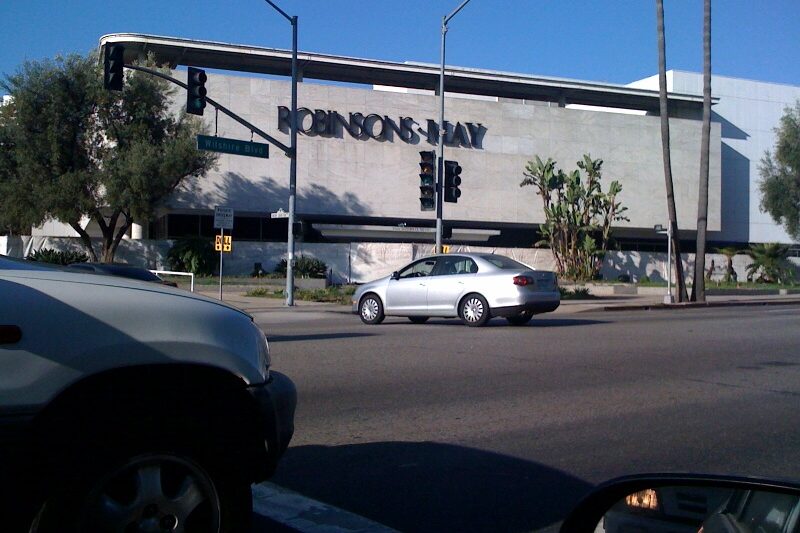
In California and the Southwest, Robinsons-May was a big name in shopping malls. The store combined two historic chains, J.W. Robinson’s and May Company, creating a regional powerhouse. Shoppers flocked to it for fashion, home goods, and wedding registries.
But by the mid-2000s, Robinsons-May fell victim to the consolidation of department stores. Federated Department Stores converted them into Macy’s locations, wiping away the familiar name. While Macy’s filled the space, many locals felt like a piece of their mall culture was lost. Robinsons-May had been a fixture of West Coast shopping for decades.
14. Rich’s
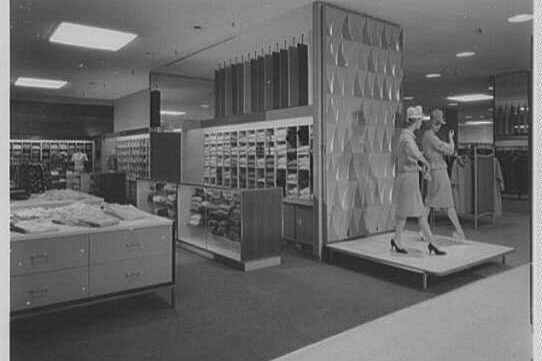
Atlanta shoppers grew up with Rich’s, a Southern chain with deep roots. Its downtown store was especially famous for holiday traditions, including the lighting of the Great Tree. Families would line up every year to be part of the festivities, making it more than just a place to shop.
Like many regional chains, Rich’s was eventually folded into Macy’s. The name disappeared in 2005, leaving behind decades of memories. For many Georgians, though, Rich’s is still remembered as part of their holiday traditions. It wasn’t just about buying gifts, it was about celebrating community.