
1. Speaking Ill of Neighbors
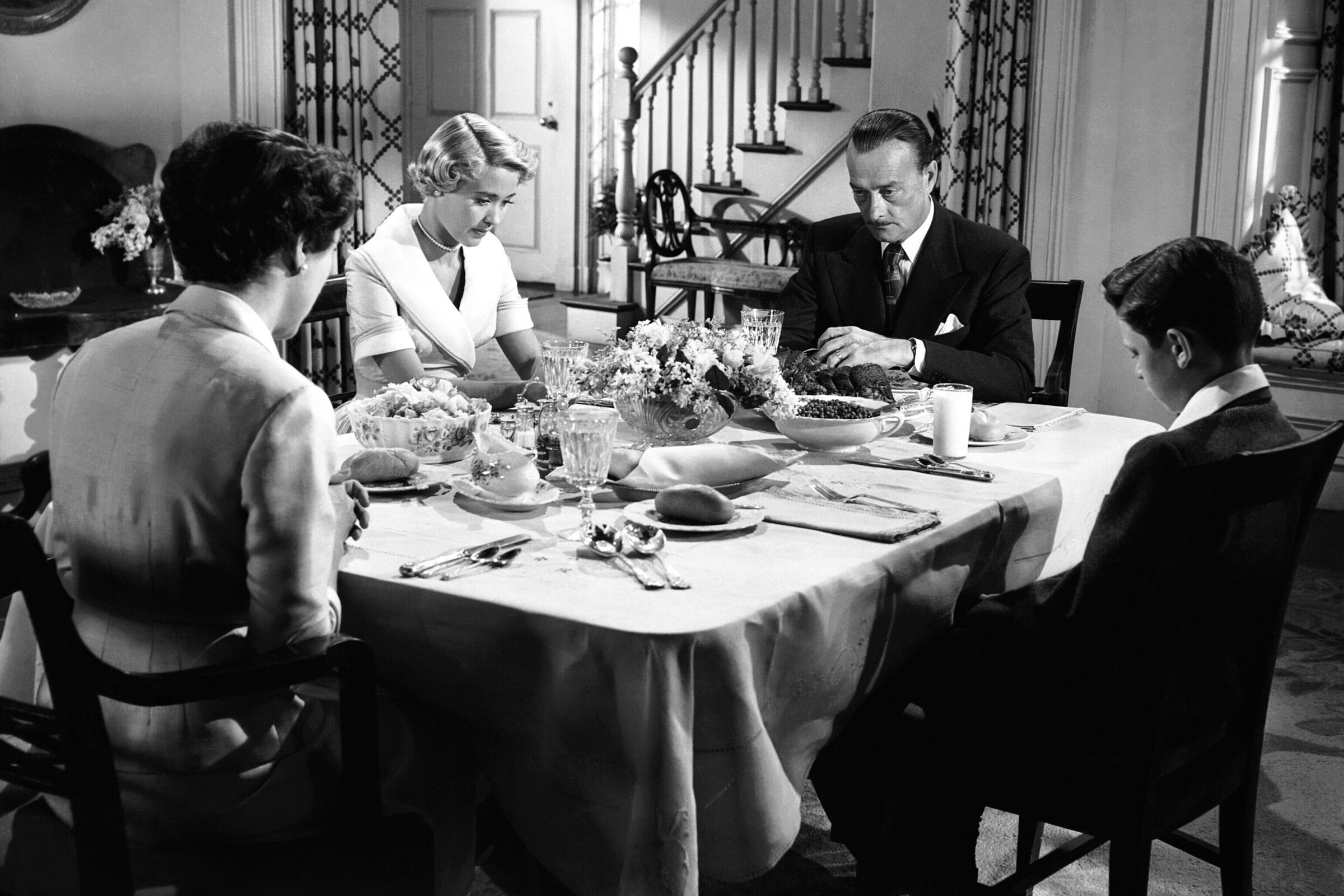
In small towns, reputation was everything, and speaking ill of a neighbor was considered one of the worst taboos. It wasn’t just about gossip; it was about preserving harmony and avoiding conflict within close-knit communities. If someone had a problem with a neighbor, they were expected to settle it privately rather than airing grievances in public. The fear of being labeled as a troublemaker often kept people from sharing their true feelings about others.
This unspoken rule kept the peace, but it also created an environment where personal conflicts often went unresolved. People would learn to live with their issues, sometimes out of necessity, sometimes out of respect for the social fabric. This meant that in small towns, maintaining a facade of civility was paramount—even if it came at the cost of genuine communication.
2. Marrying Young

In many small towns, the pressure to marry young was intense, and it was seen as the natural course of life. Families and communities often placed expectations on individuals to marry as soon as they reached a certain age. This wasn’t just a social expectation—it was also deeply tied to religion and tradition. Anyone who was unmarried beyond a certain age often faced judgment, seen as ‘unsettled’ or ‘too independent.’
This pressure could be stifling for those who didn’t want to follow the traditional timeline. For women especially, there was little room to explore career aspirations or personal growth without the looming expectation of marriage. Even though attitudes have shifted in many places, the stigma surrounding late marriage or singlehood still lingers in some rural areas.
3. Questioning Authority

Small towns were generally conservative in their views on hierarchy and authority. Questioning a teacher, a police officer, or a community leader was seen as a serious breach of respect. Children were taught to obey without questioning, and adults who voiced opinions contrary to the accepted norms could be marginalized or ostracized.
This culture of unquestioning deference stifled open debate and innovation, making it difficult for ideas to evolve. Those who were outspoken or critical of authority often found themselves on the fringes of social life, which made people hesitant to challenge the status quo. As a result, small towns were often slower to adapt to changing social and political movements.
4. Talking About Money

Discussing finances, whether personal or collective, was considered rude and inappropriate in small town culture. People who openly talked about how much money they earned or spent were often viewed as boastful or inconsiderate. In these communities, humility about one’s financial status was valued above all else, and anyone flaunting wealth was seen as disrespectful.
This taboo reinforced the idea that material wealth should not be a point of pride, and that modesty was the best way to avoid drawing attention. It also kept some from seeking help when they struggled financially, as discussing money problems was seen as a sign of weakness or failure. This aversion to discussing money has lessened over time, but it still persists in certain rural areas where modesty remains a cultural cornerstone.
5. Women Leaving the Home

For much of the 20th century, it was considered taboo for women in small towns to work outside the home. The traditional gender roles that governed daily life were deeply entrenched, and women were expected to take on the roles of homemakers and caregivers. Women who wanted to pursue careers or independence were often criticized or ostracized, labeled as rebellious or ungrateful.
This strict expectation stifled the potential of many women who wished to contribute in other ways. The few who defied these norms often faced isolation or harsh judgment from their peers. Over time, the rise of the feminist movement and greater access to education opened doors for women, but in small towns, these taboos held firm for much longer than in urban areas.
6. Divorce

Divorce was once a major cultural taboo in small towns, where the idea of a family falling apart was seen as a failure of personal and social values. Couples were expected to work through their issues rather than consider separation or divorce. This often meant enduring unhappy marriages in silence, for fear of the social stigma attached to divorce.
In some towns, the idea of divorce was so taboo that individuals who went through a divorce were often isolated, as though they had committed a social sin. The small-town mentality focused heavily on family unity, and breaking that bond was seen as a personal failure with communal consequences. However, as divorce rates climbed in the late 20th century, these taboos began to loosen, though remnants of them remain.
7. Accepting Help from Charity

In many small towns, relying on charity or government assistance was frowned upon. There was a strong emphasis on self-sufficiency, and those who accepted help from others were often looked down upon as incapable or lazy. Asking for assistance could cause embarrassment and lead to social exclusion.
This attitude created a culture where people silently suffered rather than seek help for their struggles. Whether it was food, medical care, or financial aid, many felt that admitting a need was a sign of personal failure. The taboo around receiving charity prevented individuals from accessing necessary resources and led to unnecessary hardship for those who were vulnerable.
8. Living Outside Traditional Religion

In small towns where a single religious group often dominated, deviating from the mainstream faith was considered a serious social violation. People who weren’t active members of the church, or who followed alternative belief systems, were often ostracized or treated with suspicion. These religious norms permeated all aspects of life, from marriage and raising children to community events and social gatherings.
This strict adherence to one religion created an environment where outsiders were unwelcome, and questioning religious doctrine could cost you your place in the community. While many small towns have become more diverse in their spiritual practices, the cultural expectation to conform to a dominant religious identity remains a powerful force in some areas.
9. Speaking About Politics

In small towns, openly discussing politics was often seen as inappropriate and divisive. Publicly sharing one’s political opinions could lead to heated debates that disrupted the peace of the community. People were expected to keep their political views to themselves, especially if they differed from the majority.
This taboo was rooted in the fear of alienating friends and family members over differences in political ideology. In a tight-knit town, where everyone knew everyone’s business, taking a firm political stance was seen as potentially breaking apart the social cohesion. As a result, people often avoided discussing politics altogether, especially during election seasons.
10. Moving Away

While cities represented opportunity, small-town life was built on the idea of staying put. Moving away, especially for career or personal growth, was often viewed with suspicion. Those who left were sometimes thought to be abandoning their roots or turning their back on the community.
This cultural norm could weigh heavily on younger generations who felt the pull of big city life. It created a kind of pressure to stay behind, even if doing so meant sacrificing dreams or career ambitions. Over time, however, many have broken free from this cultural expectation, and the younger generations in small towns are now more likely to seek opportunities beyond their hometowns.
11. Unmarried Pregnancy

Becoming pregnant outside of marriage was once a major taboo in small-town communities. The stigma surrounding unmarried mothers was profound, often resulting in social exclusion or harsh judgment. Young women found themselves carrying a heavy burden, facing not just personal challenges but also public shaming.
This taboo often led to a lifetime of hardship for the women involved, with many facing scorn and the loss of their social standing. In more conservative small towns, even an unintentional pregnancy could result in gossip that lasted for years. Over time, this taboo has become less rigid, but the echoes of those harsh judgments can still be felt in certain communities.
12. Public Displays of Affection

In smaller towns, public displays of affection (PDA) were often frowned upon, particularly between unmarried couples. Holding hands, kissing, or any physical closeness was seen as improper or inappropriate, and those who engaged in PDA could be criticized for being disrespectful.
The underlying belief was that private affection should remain private, and public acts of intimacy disrupted the community’s sense of decency. This cultural rule was especially enforced among younger generations, who were often expected to keep their relationships more reserved. Over time, however, many small towns have become more relaxed about PDA, although some conservative areas still hold fast to these old standards.
13. Talking About Illness

Discussing personal health or illness in small towns was often seen as bad form. People were expected to be strong and not burden others with their medical struggles. Those who were dealing with long-term illnesses often faced isolation, as talking about it could make others uncomfortable.
This taboo reinforced the culture of self-reliance and stoicism, which made it difficult for people to get the support they needed. It also kept individuals from sharing important health information with the community, sometimes putting them at risk. While attitudes toward discussing health have improved, there are still some places where it’s considered more polite to keep quiet about one’s health struggles.
14. Living with Extended Family

In small towns, it was often seen as improper for adults to continue living with their parents or other extended family members after reaching adulthood. The expectation was that once you were of a certain age, you should have your own home and family. Living under the same roof as your parents was seen as a sign of failure or inability to achieve independence.
This social expectation placed pressure on young adults to leave home even if it wasn’t financially or personally feasible. The idea of maintaining a close-knit family under one roof was less accepted, as it was tied to notions of personal success and self-sufficiency. Over time, economic realities and changing cultural norms have made multi-generational living more common, but the stigma once attached to it is still felt in some small communities.
15. Homosexuality

In many small towns, homosexuality was not just taboo—it was viewed as morally wrong. For much of the 20th century, people who identified as LGBTQ+ were forced to hide their identities to avoid ridicule and rejection. Even subtle signs of same-sex attraction could result in social exclusion or worse. People often had to live double lives to avoid public censure.
This taboo created immense pressure on individuals to conceal their true selves, often leading to years of inner turmoil. It wasn’t just about social ostracism; it was about survival. Over time, as LGBTQ+ rights movements gained momentum, many small towns began to change their attitudes, though in some areas, this taboo remains difficult to overcome.
16. Gender Roles in Work

In small-town America, traditional gender roles often defined the kinds of work that were considered appropriate for men and women. Men were expected to work outside the home, often in labor or trade-based jobs, while women were tasked with homemaking and caring for children. Deviating from these roles could lead to ridicule or even dismissal from the community.
Women who sought careers in fields traditionally dominated by men, such as engineering or law, were often met with resistance and disbelief. Similarly, men who chose to work in roles associated with women, such as nursing or teaching, were often viewed with skepticism. While gender roles have become much more fluid in modern society, they still persist in some rural areas, influencing career choices and personal identities.
17. Public Criticism of the Church

Criticizing the local church was considered one of the most dangerous things you could do in small towns, where religion was deeply tied to community life. The church was often the heart of social and cultural activities, and public criticism could quickly result in being shunned by friends and neighbors. Even questioning the church’s teachings could lead to serious repercussions.
This taboo reflected the centrality of religion in small-town life, where church attendance wasn’t just a matter of faith but a matter of social standing. Those who dared to speak out against the church, even in private, were often ostracized. Over time, as religious pluralism increased and people became more critical of organized religion, these taboos began to lose their power, but in certain conservative areas, they still linger.
18. Ignoring Town Traditions
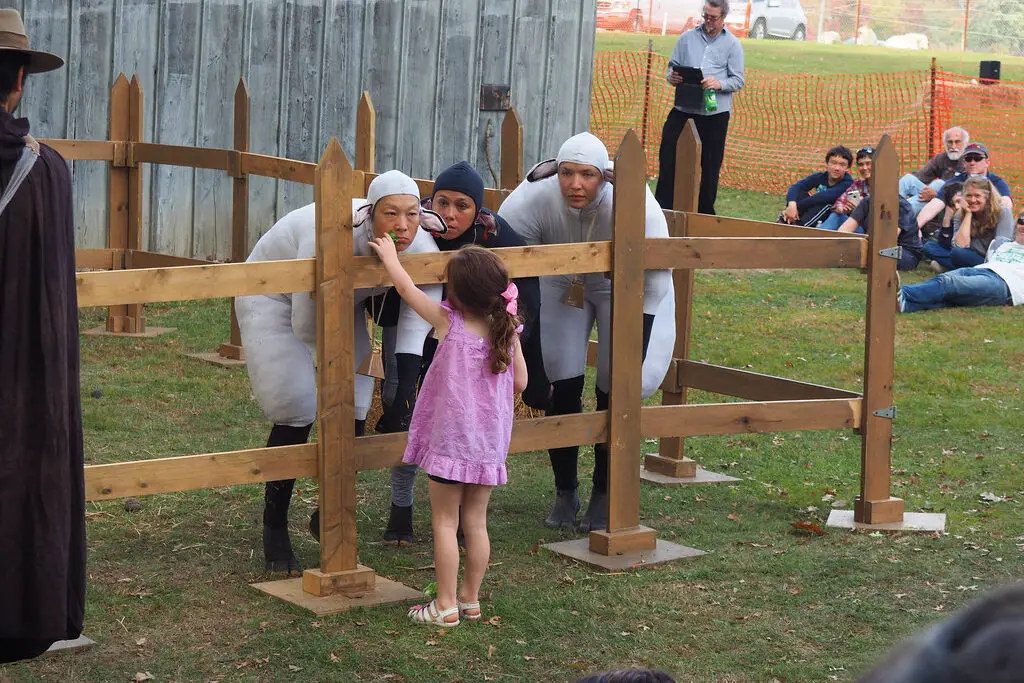
In small towns, traditions were everything. Whether it was a yearly festival, a specific holiday ritual, or a longstanding local practice, deviating from these traditions was a serious social misstep. Those who refused to participate in community events or who criticized long-held customs were often seen as outsiders.
While these traditions were meant to unite the community, they could also serve as a form of control. Those who didn’t align with these practices risked being seen as disrespectful or unpatriotic, even if they had valid reasons for their stance. Today, as small towns evolve and people move away from the rigidity of tradition, there’s more space for individuality, though the pressure to conform can still be felt in certain places.
19. Challenging the Family Business

Family-run businesses were once the backbone of small-town economies, and anyone who challenged or questioned the way things were done could face serious social consequences. Many small-town businesses were passed down from generation to generation, and there was an unspoken expectation that children would follow in their parents’ footsteps.
Questioning or rejecting the family business could be seen as a betrayal of not just the family, but the entire community. The pride that people took in supporting local businesses often translated into pressure on family members to continue those businesses, whether they were passionate about them or not. This taboo reinforced the idea that loyalty to the family and community came before personal desires and career choices.
20. Being a “Lone Wolf”

In small towns, the sense of community was paramount, and those who chose to live independently or isolated from others were often viewed with suspicion. The term “lone wolf” was often associated with people who didn’t conform to societal expectations, whether in terms of lifestyle, behavior, or beliefs. While small towns prized close relationships and collective activities, those who preferred solitude often had to endure whispers and unfounded gossip.
Being a “lone wolf” in these environments could mean being excluded from social events or treated as an outsider. People who chose to live on the periphery, whether out of personal preference or necessity, were often misunderstood. Today, while individualism is more widely accepted, there are still some small communities where independence can feel isolating or unwelcome.