
1. Hot ’n Now
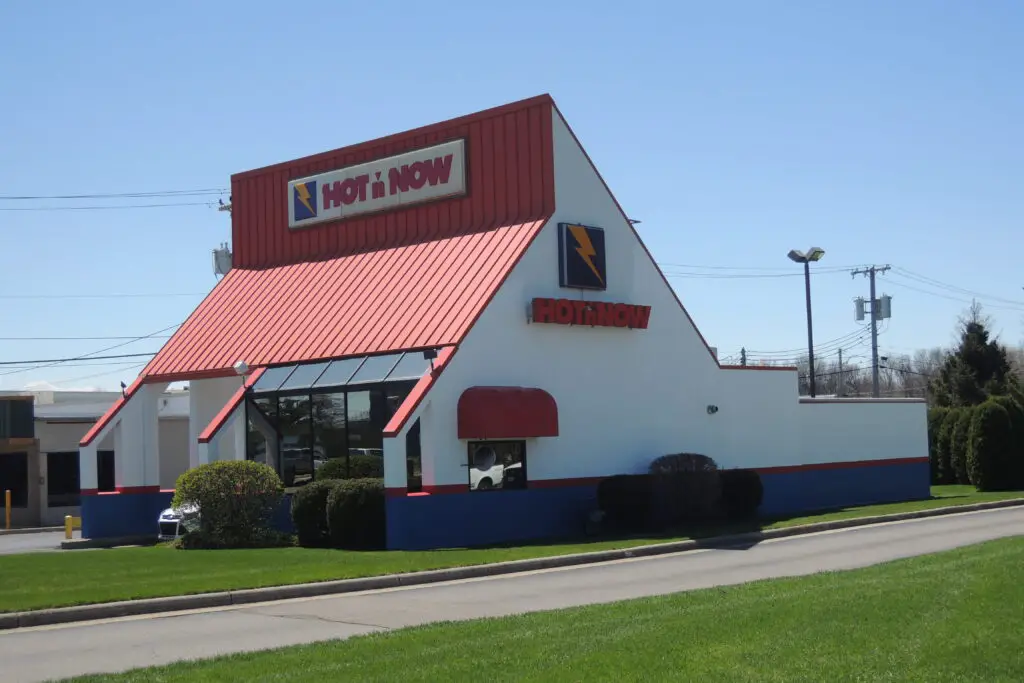
Hot ’n Now was a fast-food chain that popped up in the early ’90s, known for its crazy low prices and a no-frills menu. They offered burgers and fries at just 39 cents, which was practically unheard of back then. The idea of budget-friendly fast food without compromising speed was something that felt very modern, especially now with the focus on value menus. Despite its popularity, Hot ’n Now struggled to compete with bigger chains and eventually faded away shares Wikipedia.
What’s wild is how Hot ’n Now’s pricing strategy anticipated today’s dollar menus and value deals. Plus, their stripped-down, grab-and-go model feels like a precursor to today’s minimalistic fast-food concepts. If it had been around today, it might have found a niche with cost-conscious customers and busy lifestyles. It’s one of those chains that just might have been too early for the market adds the Detroit Free Press.
2. Burger Chef
Burger Chef was a major player from the ’50s through the ’80s but eventually vanished from the scene. What made it stand out was its early adoption of kids’ meals with toys, way before McDonald’s Happy Meal took over. They also pioneered drive-thru windows and self-service soda fountains, innovations that are now standard in fast food. Burger Chef was really about convenience and family-friendly dining says Reddit.
It’s kind of crazy to think Burger Chef was laying the groundwork for the fast-food culture we know today. The chain’s innovations were way ahead, but competition was fierce, and it just couldn’t keep up. Its disappearance is a reminder that being first doesn’t always guarantee long-term survival, even when you’re pushing the industry forward shares Chowhound.
3. Chi-Chi’s
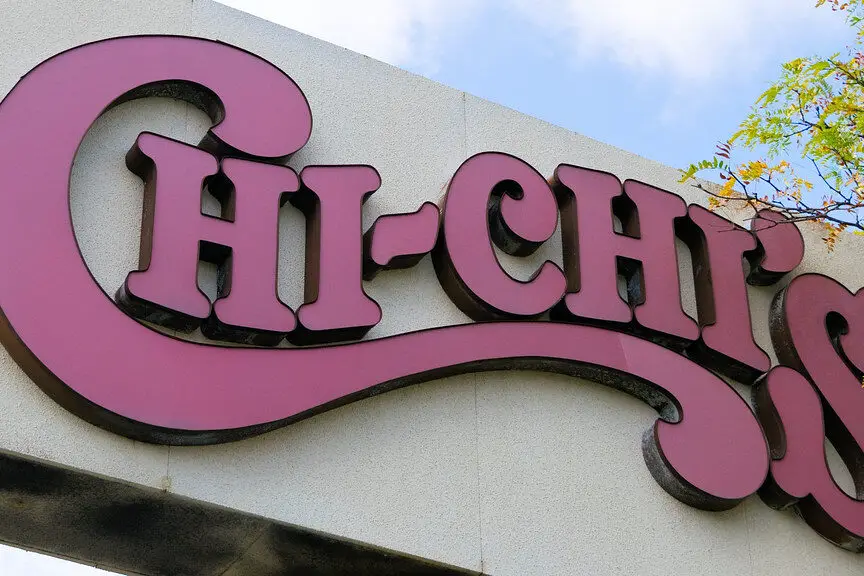
Chi-Chi’s was that go-to spot for Tex-Mex before everyone was obsessed with Mexican food. Long before the trend exploded, they were serving up fajitas and margaritas with a casual vibe that felt fresh for the ’70s and ’80s. Their communal dining style and festive atmosphere made eating out feel like a mini celebration. Today, that kind of experience is hugely popular, but Chi-Chi’s just couldn’t maintain its momentum.
Unfortunately, Chi-Chi’s ran into some tough times and a major health scare that damaged its reputation beyond repair. But if you think about it, the chain was way ahead of its time in tapping into a crave-worthy cuisine and social dining experience. It’s like they were the blueprint for many Tex-Mex restaurants you see now.
4. Sbarro
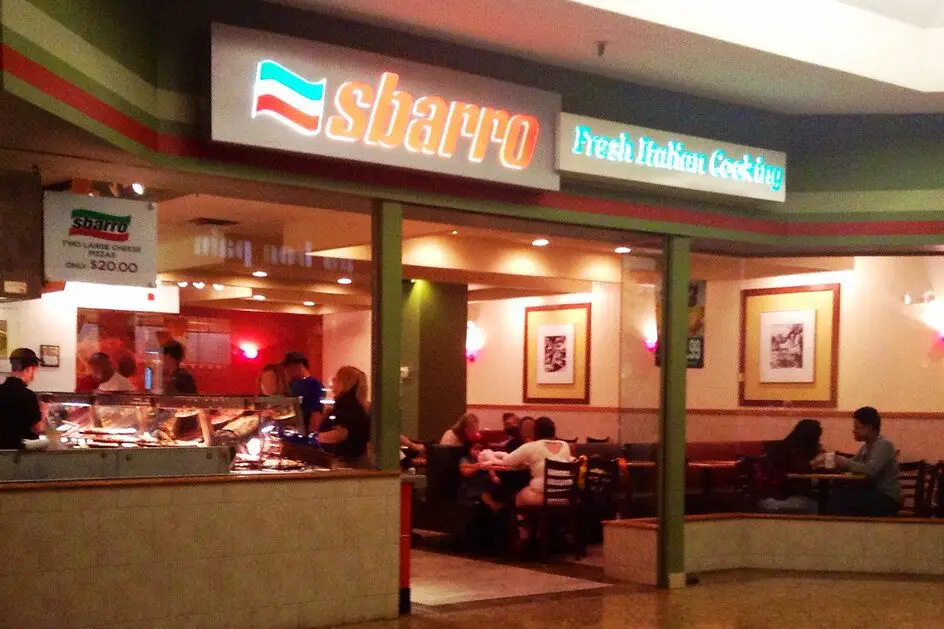
Sbarro once ruled the food courts with its giant pizza slices and quick Italian eats. They nailed the concept of fast casual pizza, offering something quick, tasty, and shareable. While Sbarro’s popularity has waned, their approach of focusing on grab-and-go pizza was innovative for its day. It anticipated today’s obsession with fast, convenient, and customizable meals.
The rise of food courts and mall culture gave Sbarro a huge advantage initially, but as mall traffic declined, so did the chain. Still, their model of quick, casual Italian food feels like it set the stage for modern fast-casual chains. They were ahead in making pizza a fast-food staple outside traditional pizzerias.
5. Kenny Rogers Roasters
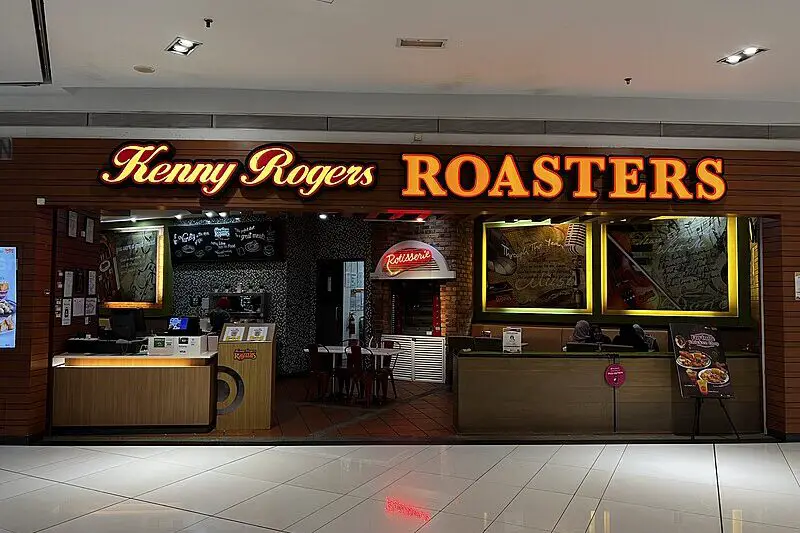
Kenny Rogers Roasters came on the scene with a focus on healthier grilled chicken options when fried fast food was king. They served up rotisserie chicken with sides that felt a little more wholesome, which was unusual at the time. This focus on better-for-you options anticipated the health-conscious trends that exploded decades later. They combined comfort food with a nod to nutrition before it was trendy.
Despite their forward-thinking menu, they couldn’t outpace the big fried chicken brands like KFC or Popeyes. But their vision of combining taste and healthiness definitely foreshadowed the direction fast food would take. It was one of the first chains to challenge the greasy stereotype of quick meals.
6. Farrell’s Ice Cream Parlour
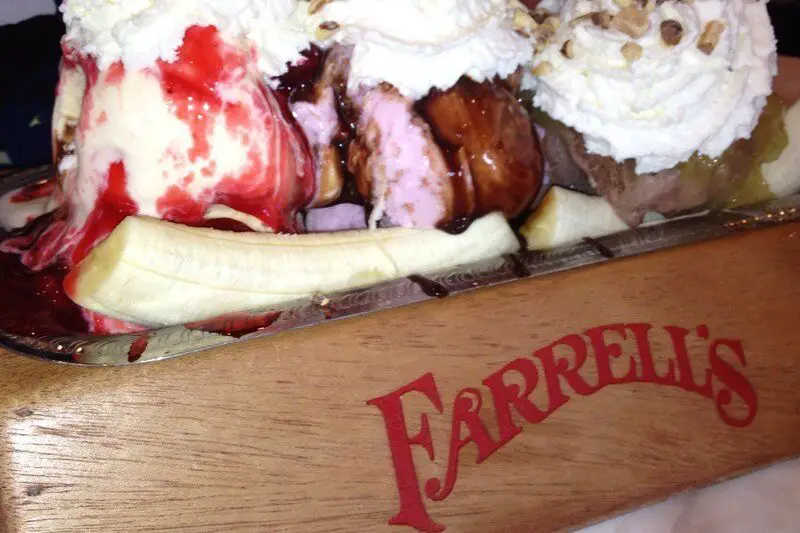
Farrell’s Ice Cream Parlour was more than just a place to grab a sweet treat; it was an experience. They created a lively, over-the-top atmosphere with servers singing and large, crazy ice cream sundaes that made any visit feel like a party. In a way, they predicted today’s trend toward experiential dining, where the fun of eating out is just as important as the food.
Sadly, Farrell’s couldn’t keep up with changing tastes and competition from more casual dessert spots. Still, the idea of combining entertainment and dining is a concept that has exploded in popularity. Their model paved the way for places that make eating out memorable beyond just the menu.
7. Ponderosa Steakhouse
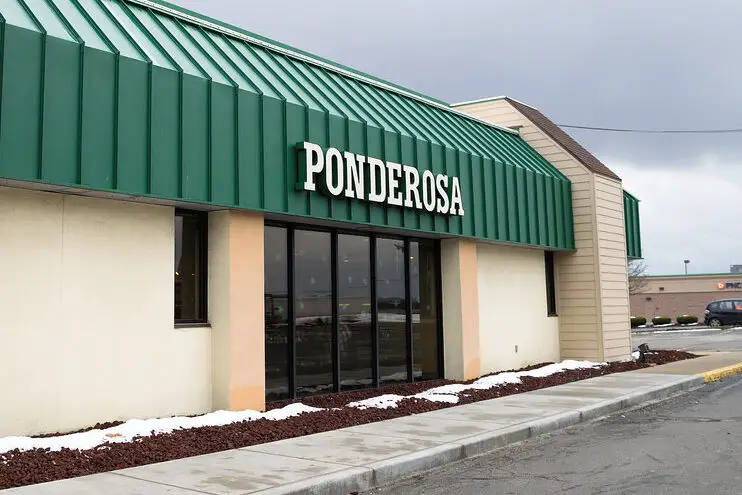
Ponderosa Steakhouse was one of the early buffet chains, offering unlimited food in a casual setting. The idea of all-you-can-eat was novel for many families and groups who wanted variety and value. Their model anticipated today’s love of buffets and casual, family-style dining. They created a space where everyone could find something they liked without breaking the bank.
The buffet model eventually faced criticism for food waste and changing dining preferences, which led to many locations closing. However, the concept of affordable, plentiful food with a relaxed atmosphere was definitely ahead of its time. Ponderosa helped normalize buffets as a dining option for many.
8. Howard Johnson’s
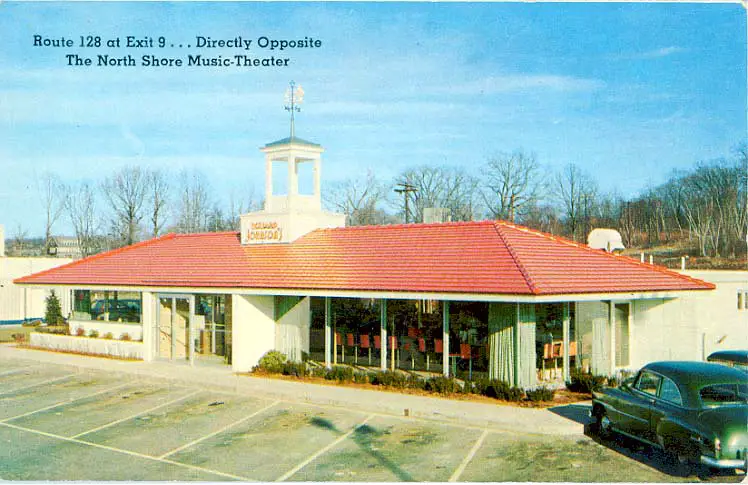
Howard Johnson’s was once a giant in American dining, famous for its bright orange roofs and classic menu staples. They were pioneers in highway travel dining, catering to families on the go with consistent food across all their locations. This predictability and convenience were forerunners to the modern roadside diner and fast food chains. Their presence along highways was a lifeline for travelers looking for comfort food.
What’s surprising is how this concept shaped travel dining before interstate chains like McDonald’s took over. Howard Johnson’s decline shows how quickly tastes and business models can shift, but their role in American dining history is undeniable. They really set the bar for family-friendly road trip stops.
9. Gino’s
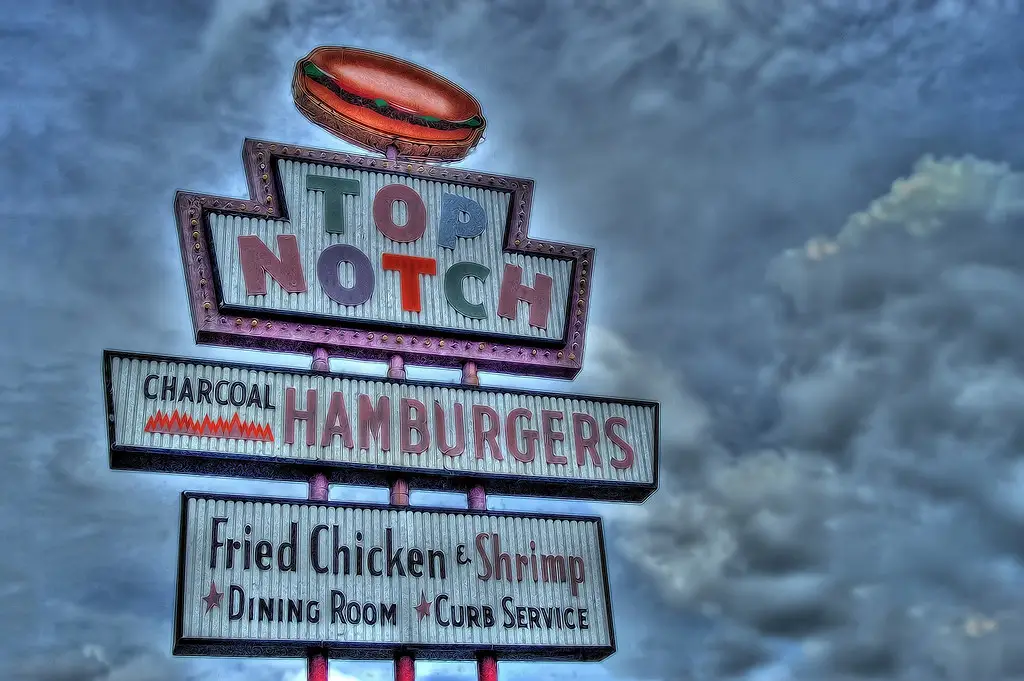
Gino’s was a regional chain mostly famous in the Mid-Atlantic for combining fast food with Italian flair. Their menu mixed burgers and fries with Italian staples like spaghetti and meatballs, blending comfort with convenience. This hybrid concept feels very modern, anticipating today’s fusion restaurants that don’t box themselves into one category. Gino’s was about variety and satisfying different cravings under one roof.
The challenge was staying competitive as specialized chains grew stronger. Gino’s eventual disappearance doesn’t diminish how they experimented with menu diversity long before it became the norm. It’s a reminder that mixing genres in food isn’t always easy, but it’s often ahead of its time.
10. Cici’s Pizza
Not to be confused with the Tex-Mex chain, Cici’s Pizza was a mid-’70s to ’80s chain known for its huge, thick-crust pizzas and casual vibe. They offered pizza that was almost like a meal in itself, with hearty toppings and generous slices. Their take on pizza was a bit different from the thin-crust trend, catering to people who wanted something filling and flavorful. This style paved the way for later pizza chains that focused on thick crust and deep dish.
Though it faded away, Cici’s Pizza influenced how regional pizza styles could thrive in the national market. They were ahead of the curve in recognizing there wasn’t just one “right” kind of pizza. Their approach to pizza variety feels relevant in today’s diverse pizza scene.
11. Gatti’s Pizza
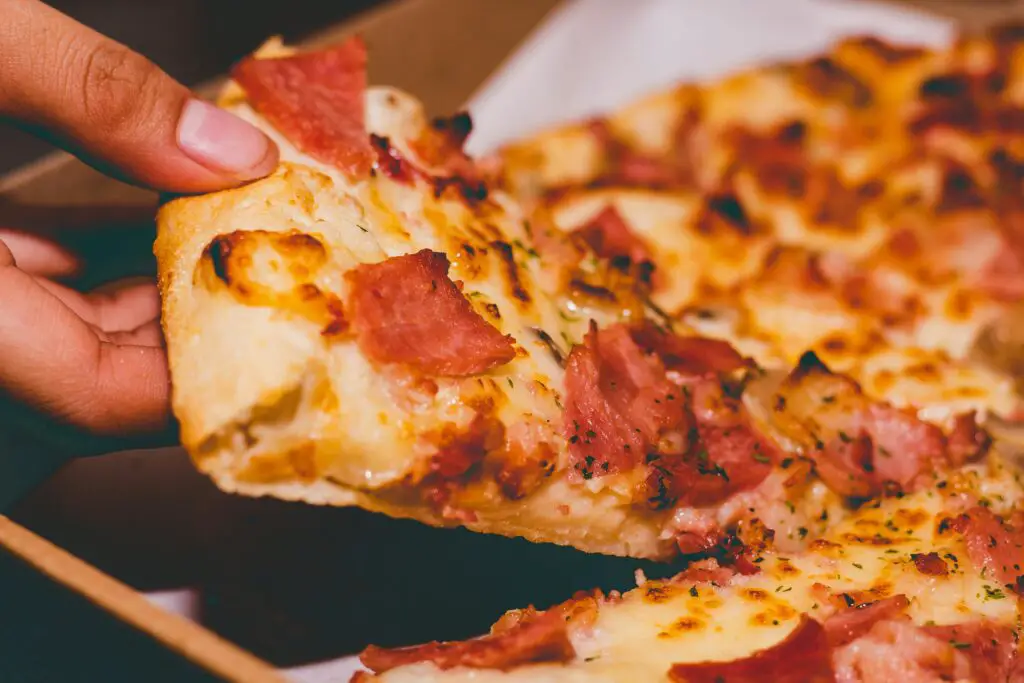
Gatti’s Pizza was a Texas-based chain that mixed pizza with a family-friendly atmosphere, often featuring game rooms and arcade-style entertainment. This combination of food and fun was an early form of what we now see in pizza chains like Chuck E. Cheese. They understood the value of creating a place where kids could eat and play, making family outings easier and more entertaining.
Although Gatti’s has mostly disappeared, the idea of pairing casual dining with entertainment has become hugely popular. They were ahead of their time in blending a restaurant with an activity center, anticipating today’s focus on experiential dining. Their model still resonates with families looking for more than just a meal.
12. Howard Johnson’s Ice Cream
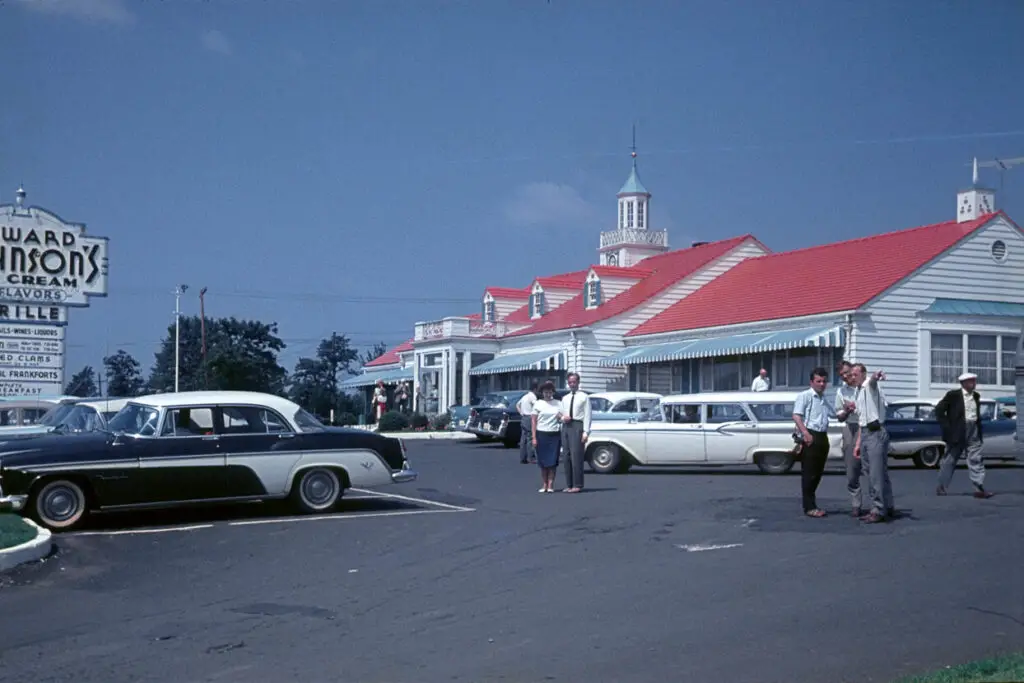
Howard Johnson’s wasn’t just about food; their ice cream stands were a destination for classic American treats. Before gourmet ice cream became a craze, Howard Johnson’s offered a reliable and beloved selection of flavors, including the famous “28 flavors.” This focus on quality and variety set the stage for the modern specialty ice cream shop boom. They made ice cream a fun and accessible indulgence.
Though their ice cream stands have mostly disappeared, their influence lingers in how people think about ice cream as a treat to be enjoyed anywhere. They helped elevate ice cream beyond just a dessert to a cultural icon. Howard Johnson’s ice cream was ahead of its time in making frozen treats a nationwide craving.
13. Lum’s
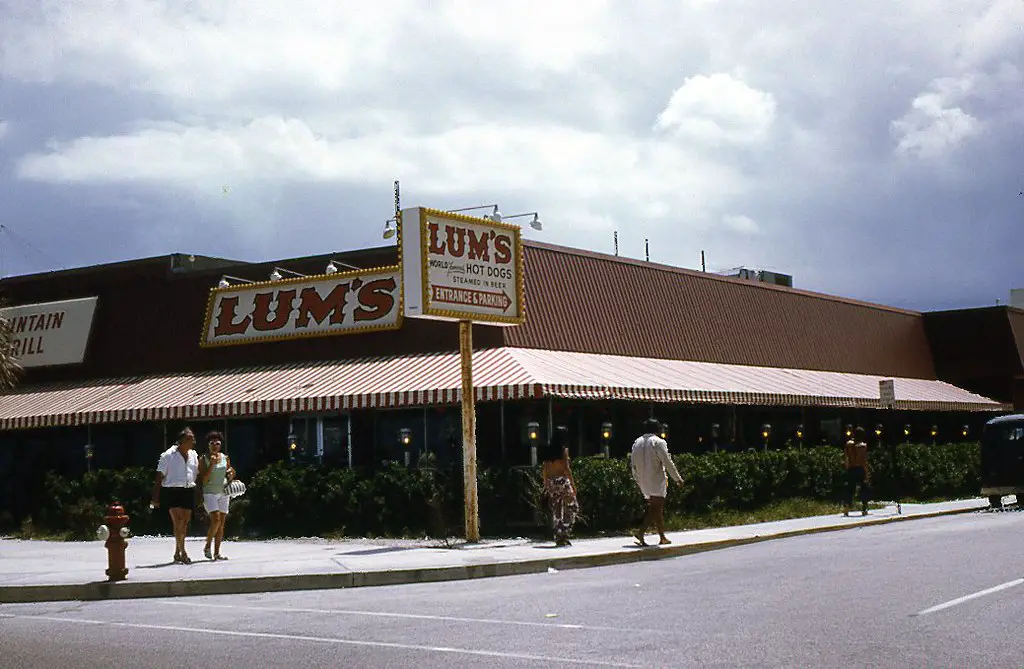
Lum’s was a quirky little chain that became famous for serving hot dogs steamed in beer. That might sound odd now, but it gave the hot dogs a distinct flavor and definitely stood out from the crowd. The restaurants often had a tiki-inspired décor, which gave off a fun, vacation-like vibe. It wasn’t your typical fast-food spot, and people loved the novelty of the menu.
The chain started in the ’50s and expanded pretty quickly before eventually disappearing in the ’80s. In a way, Lum’s predicted today’s foodie culture where unique twists on classic foods are celebrated. Pairing casual dining with something that felt indulgent and unusual was a concept people weren’t quite ready for back then. It’s the kind of thing that might actually do well if it came back today.
14. Schrafft’s
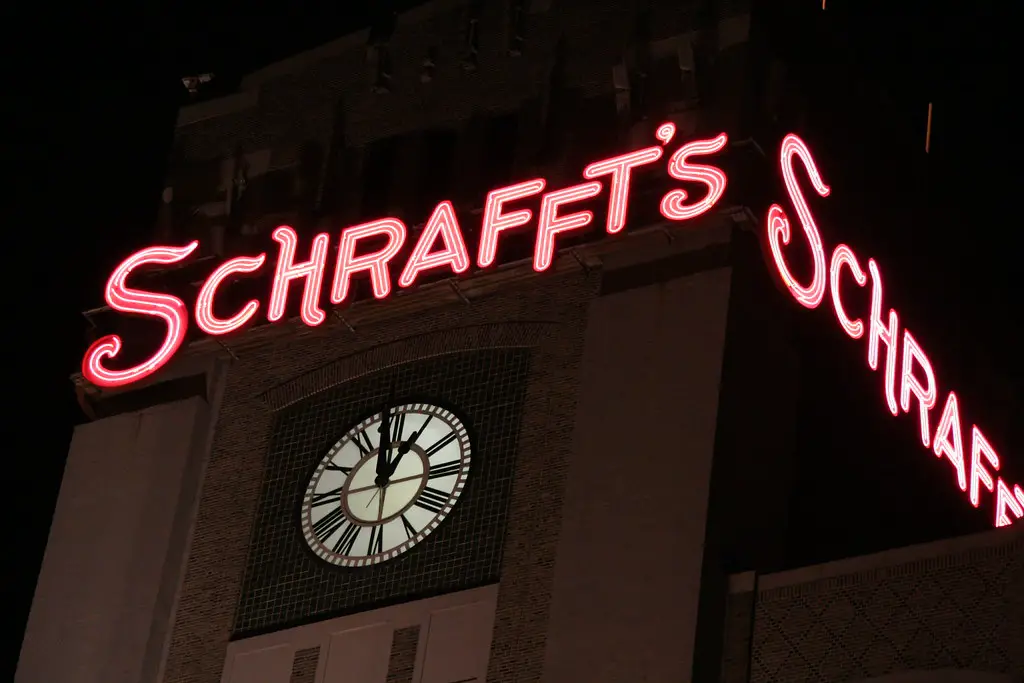
Schrafft’s was originally a candy company, but by the early 20th century it had branched out into restaurants. These spots were popular in big cities, especially New York, offering an elegant but approachable dining experience. They catered to women and families, making it a comfortable place for people who didn’t feel at home in smoky diners or male-dominated steakhouses. Schrafft’s brought a certain refinement to casual dining.
In many ways, they were early pioneers of what we’d now call fast casual. Their emphasis on quality, comfort, and accessibility made them unique for their time. While the restaurants eventually closed, the idea of a welcoming, stylish place for everyday dining lives on in modern chains. Schrafft’s helped prove that dining out could be both special and routine.
15. White Tower
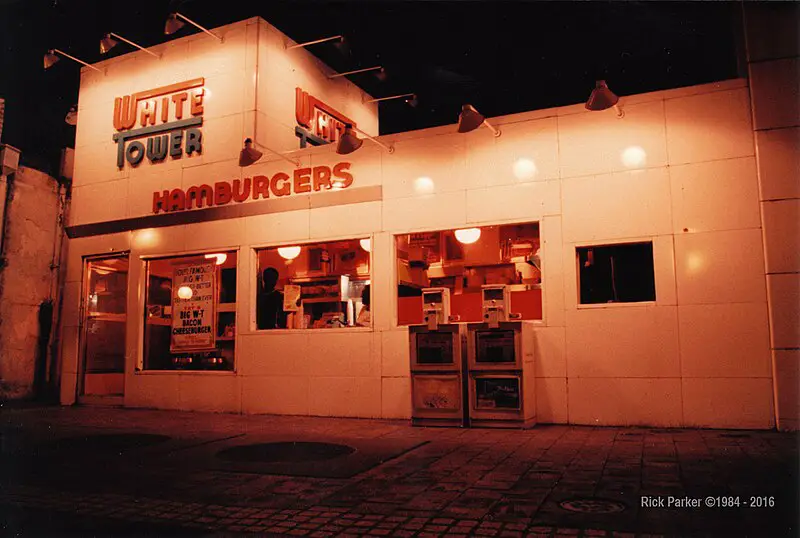
White Tower was often compared to White Castle, but it carved its own path in the burger world. They offered small, affordable hamburgers in sleek, clean restaurants that emphasized consistency. The chain leaned into branding with its white, tower-like buildings that stood out as landmarks. It was all about recognizable design and affordable, uniform food.
That approach might feel familiar because it’s exactly what modern fast-food giants rely on today. White Tower didn’t quite achieve the longevity of its competitors, but it nailed the idea of creating an image that people could instantly identify. In many ways, they were ahead of the curve in branding before branding became everything.
16. Steak and Ale
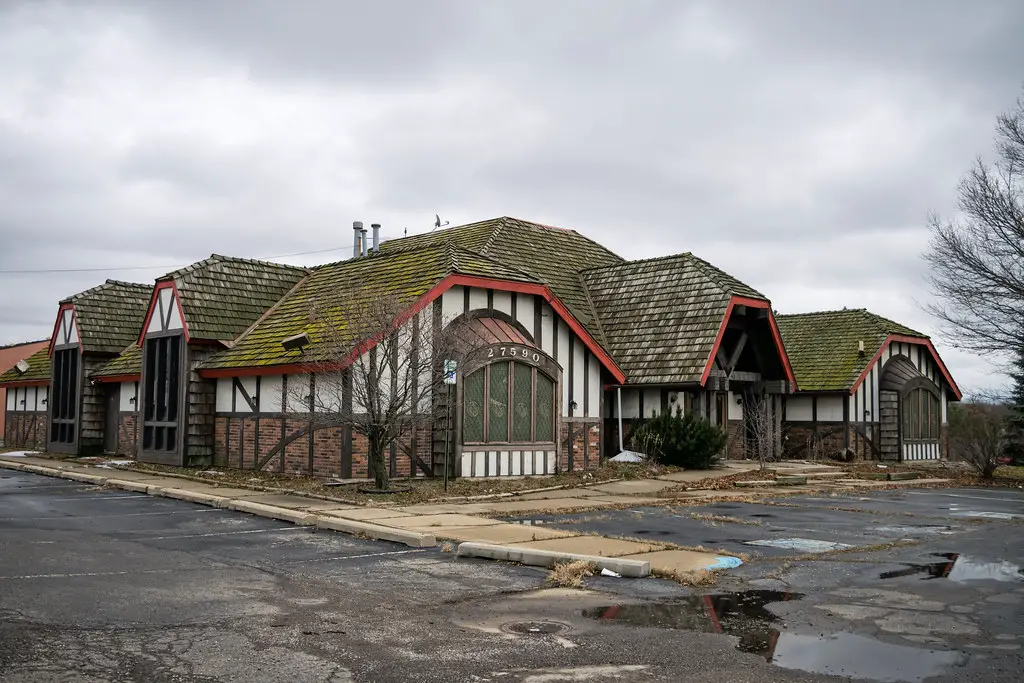
Steak and Ale launched in the ’60s with the goal of bringing affordable steak dinners to the masses. They introduced the idea of salad bars, which became a huge hit and later spread to countless other restaurants. The concept was to make steakhouse dining less intimidating and more family-friendly, and it worked. People loved the mix of value and a touch of elegance.
Unfortunately, Steak and Ale struggled to adapt as dining trends shifted. But the idea of casual steakhouses with buffet-style sides was revolutionary at the time. Today’s chain steakhouses owe a lot to Steak and Ale’s vision of making a “special” night out more accessible. They were definitely ahead of their time in recognizing how to balance quality and affordability.
17. Bob’s Big Boy
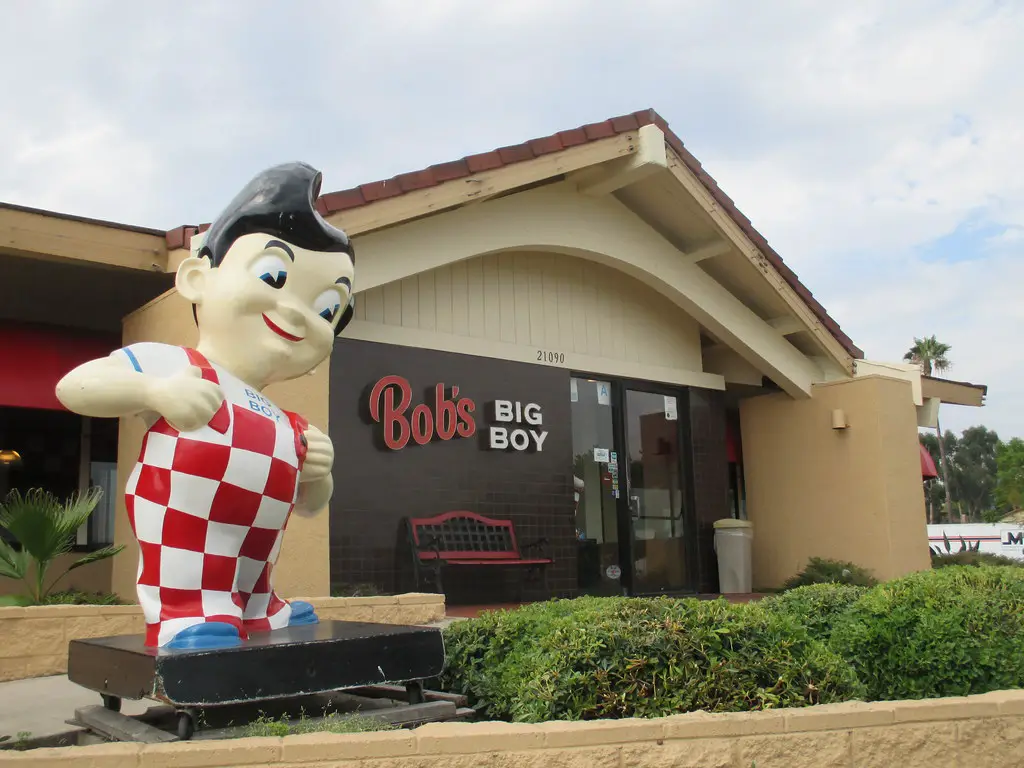
Bob’s Big Boy is remembered fondly for its iconic double-decker burger, which inspired many other chains to follow suit. The restaurants had a diner-style charm, often featuring carhop service and a playful, family-friendly vibe. Their Big Boy statues became roadside icons, instantly recognizable to travelers. At its peak, the chain was a staple of American dining culture.
What made Bob’s Big Boy ahead of its time was its branding and menu innovation. The double-decker burger concept was a game-changer, and their ability to combine nostalgia with forward-thinking ideas kept them popular for decades. While only a handful of locations remain today, their influence on burger culture is undeniable.
18. Red Barn
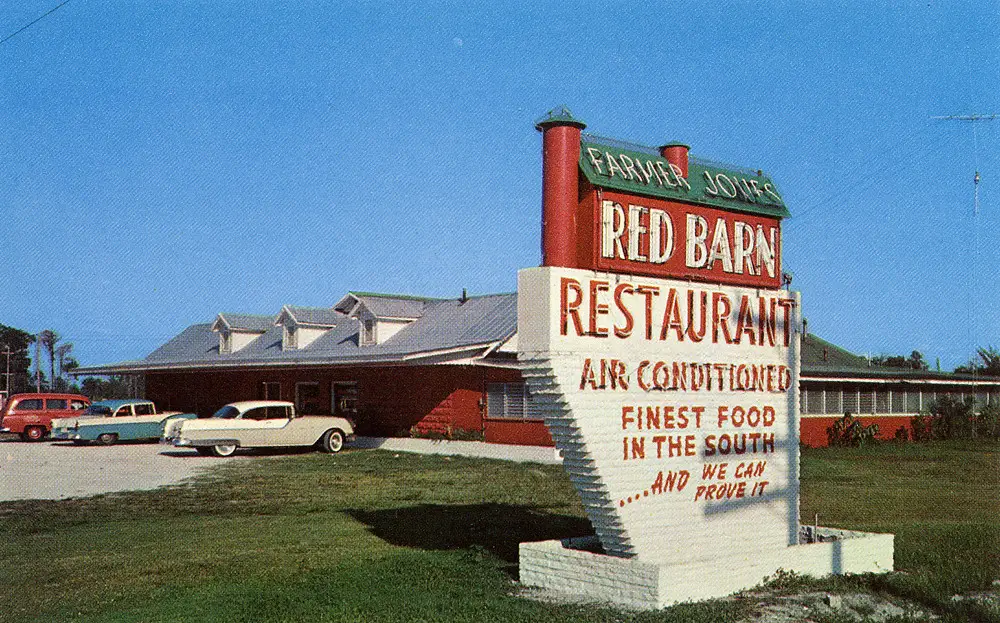
Red Barn was a fast-food chain with a country-style aesthetic and a barn-shaped building design that made it memorable. They were one of the first to offer a salad bar at a fast-food restaurant, which feels incredibly modern. Their menu went beyond burgers, with fried chicken and fish that gave people more variety. The chain was all about making fast food feel homier and more flexible.
The branding, with those bright red barn-shaped buildings, stood out in a way that few restaurants managed at the time. Even though they’re long gone, Red Barn’s combination of menu variety and unique design left its mark. They were experimenting with fast-food formats decades before diversification became the norm. It’s hard not to see them as being a little too far ahead of their time.