
1. Grilled Cheese and Tomato Soup

There was a long stretch when grilled cheese and tomato soup felt like the ultimate comfort pairing, especially in the ’50s through the ’80s. The crispy, buttery bread with melted cheese paired perfectly with warm, tangy soup. It was easy, affordable, and endlessly reliable on cold afternoons. Many kids first learned to cook by making this exact meal. The ritual of dipping the sandwich into the soup made it feel interactive and cozy. It showed up after school, on snow days, and during sick days. Even picky eaters usually loved it. While it still exists today, it doesn’t dominate family menus the way it once did.
For a lot of people, this meal is tied to childhood kitchens and simple routines. The smell of butter hitting a hot pan instantly triggers memory. Some families swore by American cheese, while others upgraded to cheddar or whatever was in the fridge. It felt comforting without being heavy or complicated. Today, gourmet grilled cheese shops have changed the image of the dish. The humble original version feels almost quaint by comparison. Yet the emotional pull remains strong. Few combinations feel as universally soothing.
2. Tuna Noodle Casserole
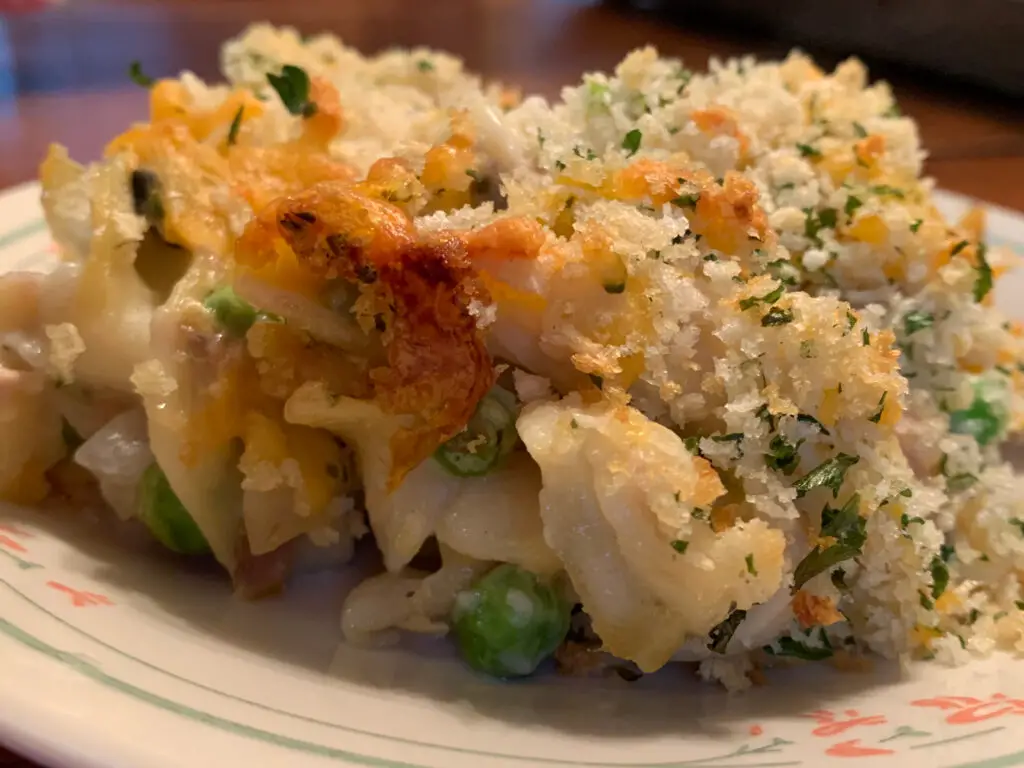
Tuna noodle casserole practically ruled weeknight dinners in the ’60s and ’70s. Creamy soup, canned tuna, soft egg noodles, and a crunchy topping made it feel like a full meal without much effort. It was affordable, shelf-stable, and easy to scale for big families. Many households had their own version, sometimes with peas, sometimes with crushed potato chips on top. The bubbling casserole dish coming out of the oven felt like a promise that dinner was handled. Even picky eaters usually found something comforting in its mild flavors. It was dependable, familiar, and endlessly repeated. Over time, though, it quietly disappeared from many modern dinner rotations.
Part of its charm was how forgiving the recipe was. You could swap ingredients based on whatever was in the pantry and it still worked. It often showed up at potlucks, church dinners, and school events. Leftovers reheated surprisingly well, making it a favorite for packed lunches. Today, people often wrinkle their noses at canned soup casseroles, preferring fresher or lighter meals. But for many adults, one bite still brings back memories of childhood kitchens and family dinners. It represents a time when convenience foods felt modern and exciting. Nostalgia keeps it alive more than menus do.
3. Jell-O Salad

There was a time when no holiday table felt complete without a shimmering molded Jell-O creation. These gelatin salads were especially popular from the ’50s through the ’70s, when presentation mattered almost as much as taste. Some versions were sweet with fruit suspended like edible stained glass. Others were savory, filled with vegetables, cottage cheese, or even mayonnaise. The wobble alone made them feel magical, especially to kids. They looked fancy without requiring much cooking skill. Hosting culture leaned heavily into showy dishes that impressed guests visually. Eventually, tastes shifted and the trend faded.
Making a Jell-O salad was almost an art form in some households. Families passed down specific molds and secret ingredient combinations. The suspense of unmolding it without cracks or collapses was part of the ritual. It often sat proudly in the center of buffet tables. Today, many people associate it with quirky vintage recipes or joke-worthy potluck memories. You rarely see it served seriously anymore. Still, it captures a very specific era of entertaining and food experimentation. It’s one of those dishes that instantly dates a photograph.
4. Sloppy Joes
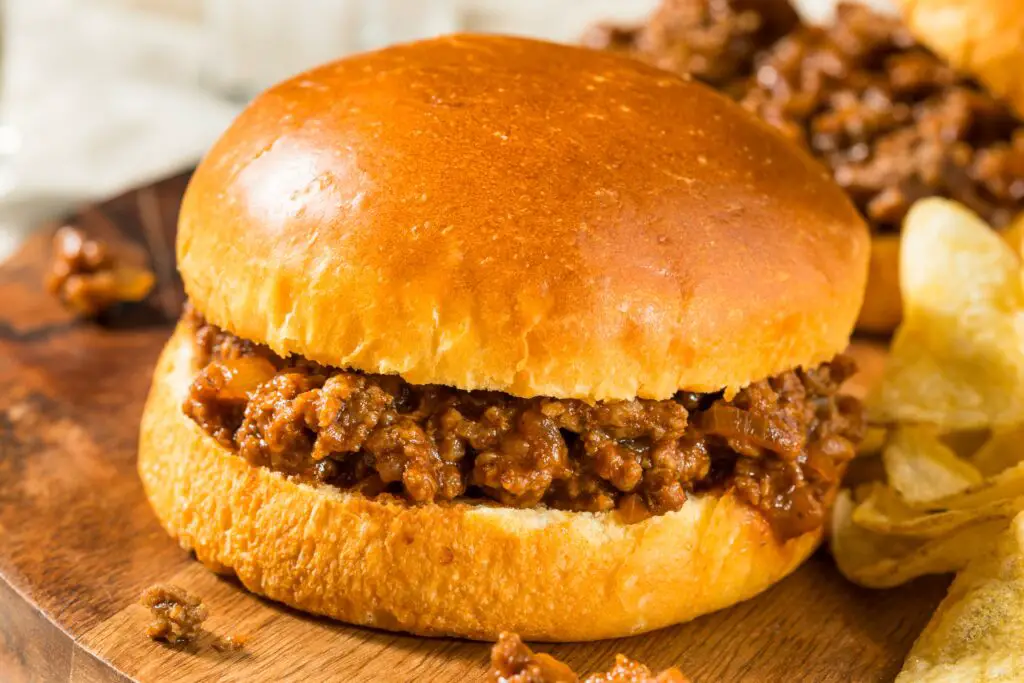
Sloppy Joes were messy, saucy, and wildly satisfying for kids growing up in the ’70s and ’80s. The sweet-and-savory ground beef mixture soaked into soft hamburger buns and dripped down fingers. It felt like comfort food and fun food at the same time. School cafeterias helped cement its popularity for an entire generation. It was inexpensive, quick to make, and easy to feed a crowd. Parents appreciated how filling it was without much prep. Kids loved the freedom to eat something unapologetically messy. Over time, it quietly slid out of regular rotation.
For many families, Sloppy Joes were tied to busy weeknights or casual weekend dinners. The smell of simmering sauce was instantly recognizable. Some households had homemade recipes while others relied on canned versions. It was often paired with potato chips or tater tots for a full comfort-food spread. Today, people tend to lean toward burgers or tacos instead. Sloppy Joes sometimes feel like a relic of cafeteria culture. But one bite still delivers a wave of nostalgia for school lunches and family kitchens. It’s comfort in its most unpretentious form.
5. Chicken à la King
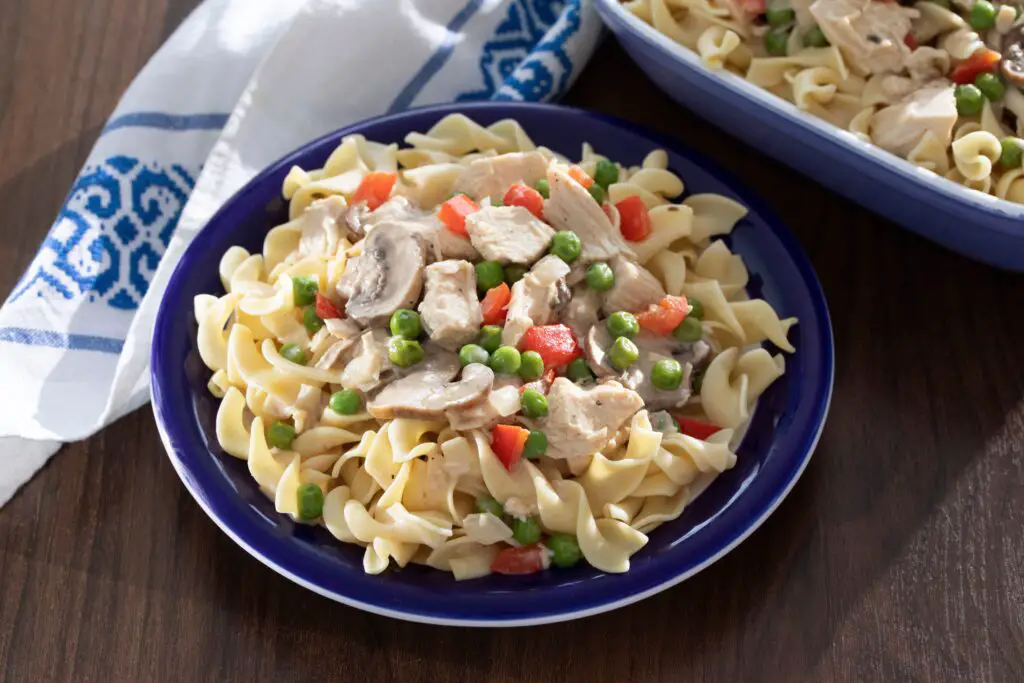
Chicken à la King once felt downright elegant in mid-century America. Creamy sauce, tender chicken, and colorful peppers or mushrooms were often spooned over toast or puff pastry. It showed up at luncheons, hotel dining rooms, and home dinner parties alike. The dish signaled that you were serving something “fancy” without being intimidating. It balanced richness with mild flavors that appealed to a wide audience. During the ’50s and ’60s, it was a reliable crowd-pleaser. Over time, tastes shifted away from heavy cream-based sauces. The dish slowly faded from everyday menus.
For many people, Chicken à la King feels tied to special occasions or holiday gatherings. It carried a sense of occasion even when made at home. The warm sauce felt comforting on cold evenings. Leftovers often made great next-day lunches. Today, it’s rarely ordered in restaurants or prepared regularly at home. Younger generations may not even recognize the name. Still, for those who grew up with it, the memory is warm and distinctly nostalgic. It represents a softer, more formal era of home entertaining.
6. Beef Stroganoff
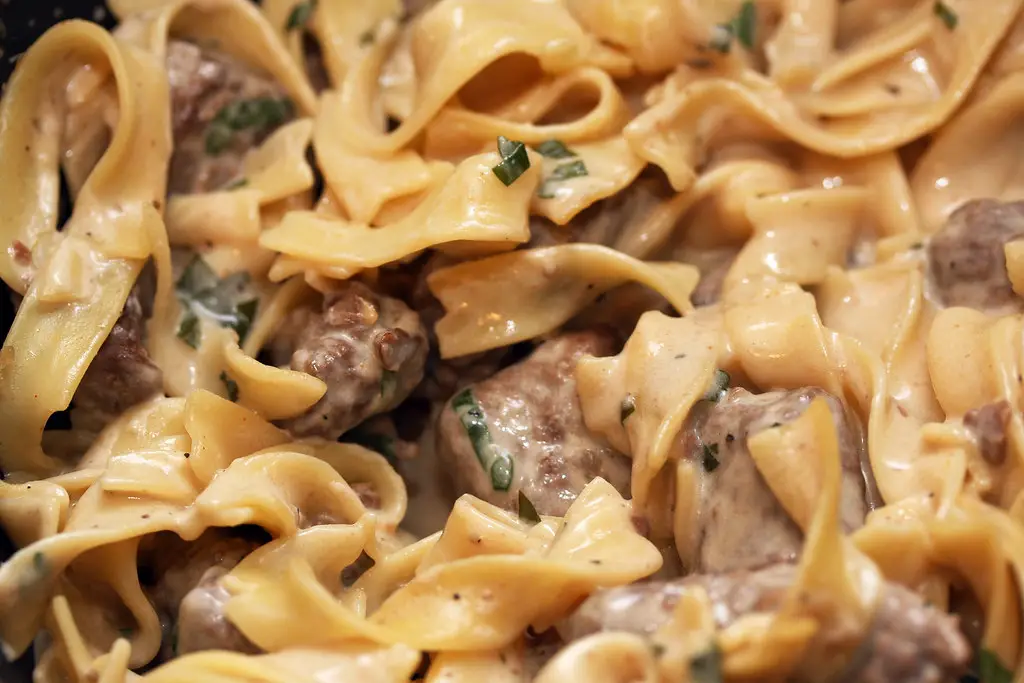
Beef Stroganoff surged in popularity in American homes during the ’60s and ’70s. Tender beef, creamy mushroom sauce, and wide egg noodles made it feel hearty and satisfying. It carried a hint of international flair that felt adventurous at the time. Many families used shortcuts like canned soup to make it weeknight-friendly. The dish filled kitchens with comforting savory aromas. It felt like something you might order at a restaurant, even when made at home. Over the years, it became less common on dinner tables. Lighter trends gradually pushed it aside.
Stroganoff often symbolized a small step toward global flavors in suburban kitchens. Families liked the richness and familiarity. It was filling enough to satisfy growing kids and tired adults alike. Leftovers reheated beautifully. Today, people may still make it occasionally, but it no longer dominates meal planning. Many younger cooks lean toward faster or lighter options. Still, the creamy noodle bowl remains deeply comforting for those who grew up eating it regularly. It’s tied closely to cozy family dinners.
7. Salisbury Steak
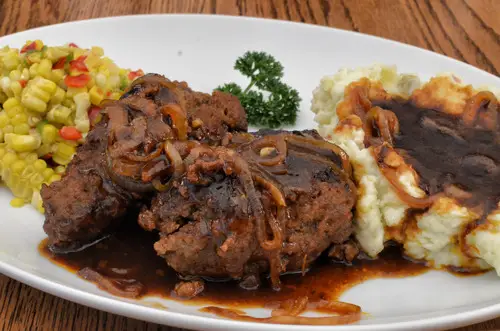
Salisbury steak was once a dependable dinner staple, especially in the ’50s through the ’70s. Ground beef patties smothered in brown gravy felt hearty and satisfying. It was affordable, easy to stretch, and comforting after a long day. Many people encountered it through TV dinners, making it a symbol of early convenience food culture. The gravy soaked into mashed potatoes and made everything feel richer. It didn’t try to be glamorous, just filling and reliable. Over time, frozen dinners improved and tastes evolved. Salisbury steak quietly lost its spotlight.
For a lot of families, it was associated with weeknight efficiency. The flavors were familiar and predictable in a comforting way. Kids often loved the gravy more than the meat itself. It paired easily with simple sides like corn or green beans. Today, it’s rarely made from scratch in many households. The name itself sounds retro to modern ears. Yet for those who grew up with it, it instantly brings back memories of metal TV trays and family dinners. Comfort often lives in repetition.
8. Pot Roast with Vegetables
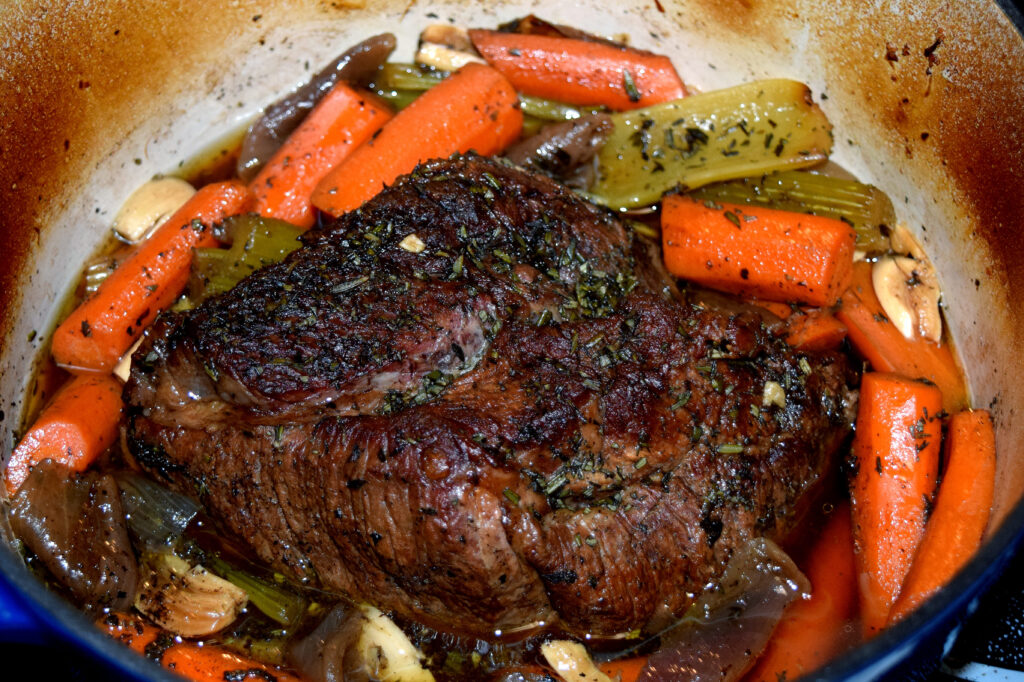
Pot roast was once the ultimate Sunday comfort meal for many families. Slow-cooked beef, tender carrots, potatoes, and rich gravy filled the house with comforting smells for hours. It symbolized patience, care, and family time around the table. Leftovers often became sandwiches or reheated dinners during the week. It was economical and satisfying, especially for large households. The ritual of checking the oven and basting the roast felt almost ceremonial. Over time, busy schedules and faster cooking trends reduced its frequency. Crockpots changed the process, but the tradition faded somewhat.
Pot roast often marked special family gatherings rather than everyday meals. It felt like a reward after a long week. The slow cooking created a sense of anticipation. Kids remember sneaking pieces of carrot or potato straight from the pan. Today, many people still love the idea of pot roast but rarely commit to the time it requires. Takeout and quick recipes often win. Still, its comforting aroma and deep flavors remain unforgettable for those who grew up with it. It represents a slower rhythm of home life.
9. Liver and Onions
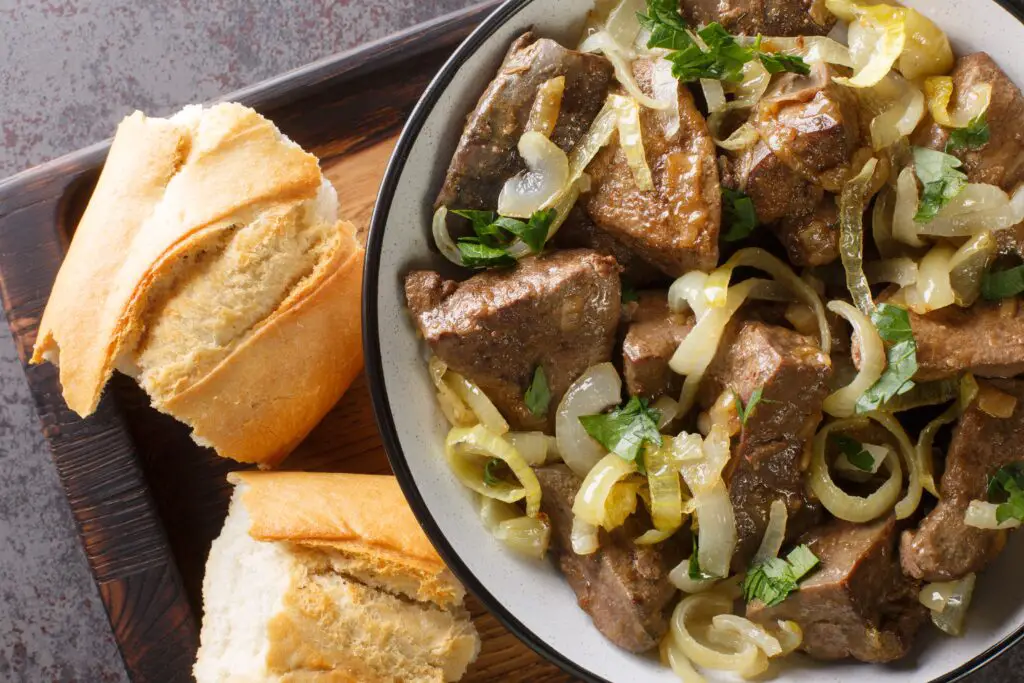
Liver and onions was once considered both nutritious and practical, especially in earlier decades. It was affordable and packed with iron, making it a go-to for many families. The strong aroma and bold flavor were unmistakable. Some kids dreaded liver night while others grew to appreciate it. It represented a no-waste mentality in home cooking. Parents often insisted it was good for you, whether you liked it or not. Over time, preferences shifted and the dish lost popularity. Today, it’s rarely served in most homes.
For those who grew up eating it, liver and onions brings back very specific sensory memories. The sizzling onions softened the intensity of the liver. Many people associate it with childhood dinner standoffs at the table. It reflected a generation that prioritized nutrition and thrift over indulgence. Modern diets and tastes moved toward leaner or milder proteins. Liver became more of a niche food. Still, it holds a strong place in food memory for many older adults. It’s a reminder of practical cooking habits.
10. Rice Pudding

Rice pudding once served as both dessert and comfort food in many households. Warm, creamy, and lightly sweet, it felt soothing on cold evenings or sick days. Families often used leftover rice, making it economical and resourceful. Cinnamon or raisins added small bursts of flavor. It was simple but deeply comforting. Many grandparents had their own trusted version. Over time, packaged desserts and bakery treats replaced homemade puddings. Rice pudding slowly faded from everyday menus.
The texture and warmth made it especially comforting. It often felt like a hug in a bowl. Kids sometimes sprinkled extra sugar on top just for fun. It was easy to make in large batches and share. Today, you might still find it in diners or specialty shops. But it’s no longer a staple dessert in most homes. For many adults, the taste brings back memories of childhood kitchens and cozy evenings. Simplicity was part of its magic.
11. Baked Ham with Pineapple
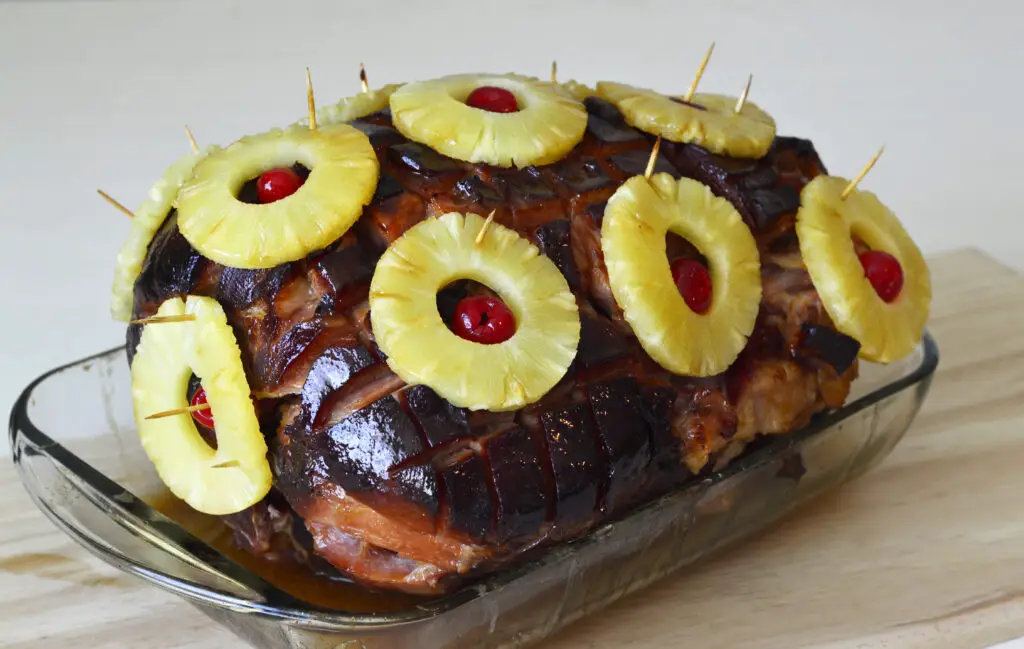
Baked ham topped with pineapple rings was a classic centerpiece for holiday meals in the mid-20th century. The sweet-and-savory contrast felt exciting and festive. It added color and flair to the dinner table. Families associated it with Easter, Christmas, or special gatherings. The glossy glaze made the dish feel celebratory. Pineapple symbolized a touch of tropical luxury at the time. Over the years, trends shifted toward different flavor profiles. The dish slowly became less common.
For many families, the presentation was half the appeal. The pineapple rings and cherries created a retro visual that stood out in photos. The leftovers made great sandwiches for days afterward. It felt like a reward meal rather than an everyday dinner. Today, many cooks lean toward simpler or more modern holiday recipes. Yet the memory remains vivid for those who grew up with it. It captures a very specific era of entertaining and presentation. Food trends always cycle.
12. Creamed Peas on Toast
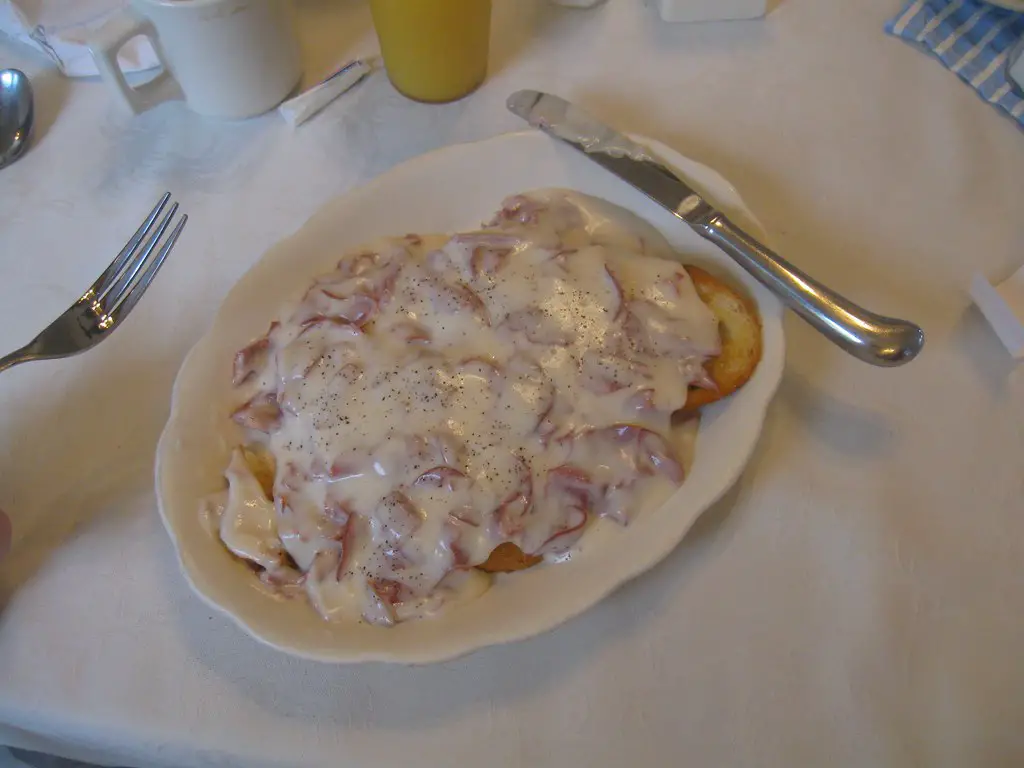
Creamed peas on toast was a humble but comforting meal in many households, especially during leaner times. The creamy sauce turned simple frozen peas into something warm and filling. Served over toast, it stretched ingredients efficiently. It was quick to prepare and easy on the budget. Many families treated it as a light supper or lunch. The flavors were mild and comforting rather than exciting. Over time, it quietly disappeared from most menus. Modern tastes leaned toward more variety and protein-heavy meals.
For those who grew up with it, the dish feels tied to practicality and simplicity. It was often something a parent made when time or groceries were limited. The soft toast soaking up the sauce made every bite comforting. It wasn’t meant to impress anyone, just to satisfy hunger. Today, most people have never heard of it unless they stumble across an old cookbook. Yet for some families, it remains a nostalgic reminder of simpler kitchens and simpler expectations. Comfort doesn’t always come from elaborate recipes. Sometimes it comes from making do.